New Jersey Barbershop Celebrates Being One Of The Oldest Black-Owned Businesses
A Black woman inherited a family business back in the 1960s. If not advised by her father, the business may not have lasted long enough to become one of the oldest Black-owned businesses in the community.
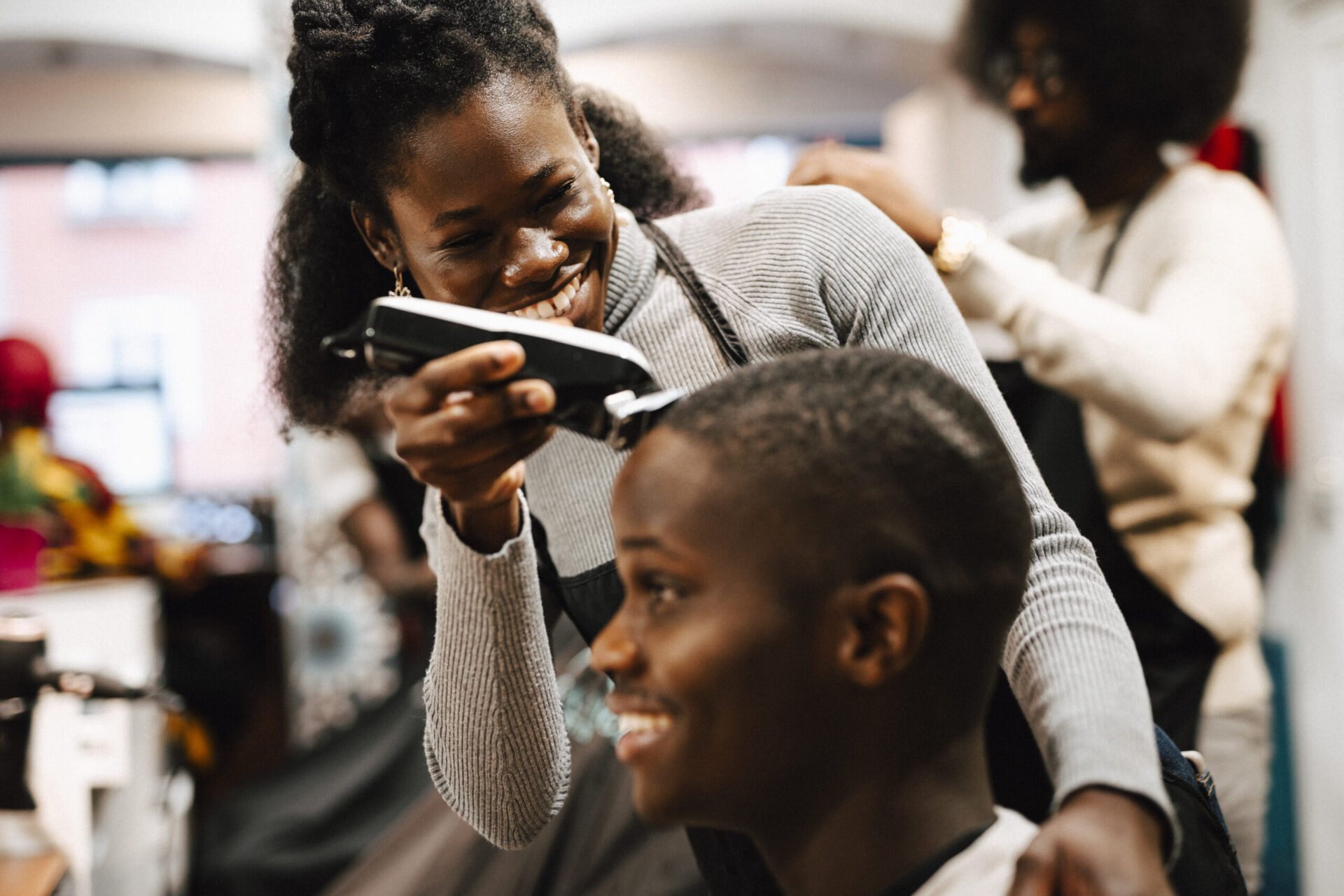
According to NJ.com, Eddie’s Barbershop owner Valerie Roberts was handed the family business and felt that the neighborhood of Asbury Park would need more time to be ready for a woman barber who can cut just as well as the men. She didn’t want to go through the difficulties that people in the city may not be prepared to see a lady barber in the neighborhood. But, due to some advice from her father, she stayed.
“I told my father I was going back to New York because this city isn’t ready for a lady barber,” said the 80-year-old Roberts. “He told me if you run from difficult situations, I’d never make it in life.”
That and her resilience have kept her in the neighborhood where the business still operates today.
Roberts’ father, Edward Hilton, opened the barbershop on Springwood Avenue near Dewitt in 1940. After running the business for over 20 years, his health started to fail, so she took over Eddie’s Barbershop.
As with any business, Roberts had to survive during rough times. She said the business was almost lost due to race riots in the 1970s.
“That Fourth of July was one of the scariest days I can remember,” she recalled. “Cops stood on the track with rifles ready to shoot anyone trying to cross over into the nicer part of Asbury.
“A friend of mine helped me remove everything in the shop during the looting and hide it in his grocery store,” Roberts said. “It wasn’t easy, but we survived.”
Eugene Berry has been getting his haircut at Eddie’s Barbershop for over 20 years and plans to continue that tradition.
“Val is an example of what Asbury Park should be,” said Berry. “She’s a living example of perseverance and the only one I’d let touch these curls.”
Now, Roberts wants to continue the legacy and hand the business down to her grandson.
Family Of Slain Detroit Nurse Files $2M Lawsuit Against Hospital For Negligence
Patrice Wilson of Detroit was found shot to death on May 13 in the trunk of an SUV parked outside her home after being kidnapped from her job at the Detroit Receiving Hospital earlier that day. The suspect, Jamere Mykel Miller, had been seen lurking around the hospital in disguise for hours before the attack, which Wilson’s family says should have alarmed security and prompted action.
They are now seeking $200 million from the hospital for negligence.
According to Click On Detroit, the tragedy occurred in the medical center’s parking lot when Miller forced Wilson inside of her vehicle and subsequently fired three shots through the back passenger side, killing her. It would take the DMC over two hours to report Wilson’s disappearance. Miller has been charged with one count of first-degree murder, one count of felony murder, one count of carjacking, one count of armed robbery, one count of felon in possession of a firearm, and five counts of felony firearm in connection to the kidnapping and killing. However, Wilson’s family believes the entire attack could have been avoided. “It’s a murder that could have been prevented if DMC did what they should have been doing to protect Patrice and the other nurses down there,” attorney Michael Fortner said.
A spokesperson for the Detroit Medical Center released a statement expressing sincere condolences for the loss of Wilson but declined to comment on the lawsuit while praising the swift action of onsite security. “The DMC stands behind our security team, who acted swiftly to notify and engage local law enforcement to apprehend the assailant. We continue to cooperate fully with law enforcement as they prosecute this individual for the crime committed. We cannot comment on pending litigation,” the statement read. “We remain committed to providing a safe workplace environment for our staff with appropriate security measures in place. The DMC is also providing resources to help staff process the loss that occurred. We hope the criminal justice system takes the appropriate actions and sends a message to our community that domestic violence will not be tolerated.”
Understanding AI With Marketing Exec Kimberly Wilson: What This Means For The Future Of Brands
It’s no secret there’s been a little beef between the humans and the bots lately. This may have stemmed from a preconceived notion that artificial intelligence is sneaking in and changing how we go about our daily lives. From how we drive and order food to the algorithm knowing everything we’re thinking, this may have caused some confusion for earthlings. PWC reported that by 2030, artificial intelligence is set to drive nearly 45% of the economy. So, maybe a little clarity on what this robot “takeover” really means might clear the air.
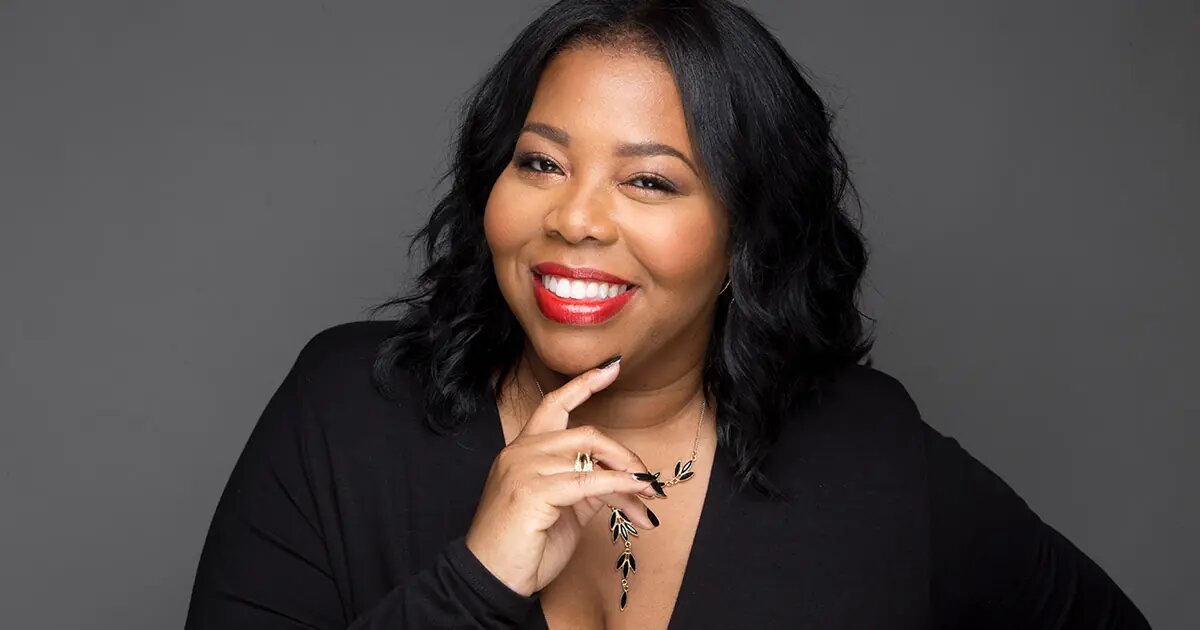
To better understand what artificial intelligence is and what this means for the future of media, BLACK ENTERPRISE sought professional insight from marketing executive Kimberly Wilson, whose expertise includes an in-depth study of AI and extensive experimentation with its capabilities.
What is Artificial Intelligence?
Artificial intelligence, abbreviated as AI, is a technology that can perform tasks that typically require human intelligence. So, what exactly does this mean? Wilson said to think of it like this. Compare it to the way humans learn and adapt. “Just like how we learn from our experiences and become better at tasks over time, AI systems are designed to process large amounts of data, learn from it and improve their performance on specific tasks without explicit programming,” she explained.
Technology is programmed to perform tasks by learning from experience, understanding natural language, recognizing patterns, and making data-based decisions.
“AI can improve personalization, which can lead to better customer experiences and increased engagement. This ultimately enhances the company’s overall performance. AI can predict trends and customer behavior, enabling companies to proactively address market demands and optimize their operations,” Wilson added.
Different types of AI
By now, most of humanity is aware of how complex machine intelligence can seem. Wilson eased that perspective and explained that AI can be broadly categorized into three types.
Narrow AI (Weak AI)
“This type of AI is designed to perform specific tasks and is limited to those tasks only,” Wilson said. Noted as the most common form of AI today, Narrow AI includes applications like virtual assistants and recommendation systems.
General AI (Strong AI)
General AI can understand, learn and perform any intellectual task that a human can do. However, “true general AI is still theoretical and does not exist yet,” according to Wilson.
Super AI (Artificial Superintelligence)
Super AI is a hypothetical AI that would surpass human intelligence in every aspect, but Wilson shared, “As of now, it is purely a topic of speculation and has not been achieved.”
AI for Media Companies
Every day, companies incorporate some form of AI into their overall business strategy. “For media companies, narrow AI applications like content personalization, automated content generation, sentiment analysis, and audience targeting can be particularly beneficial to improve content delivery and audience engagement,” Wilson said.
According to the marketing executive, there are several ways AI can be incorporated into a company’s marketing strategy. These strategies include:
Customer Segmentation to analyze customer data and behavior to segment audiences based on their preferences and characteristics for targeted marketing campaigns;
Personalization or creating personalized content, product recommendations, and advertisements to improve customer engagement and conversions;
Predictive Analytics which predicts customer behavior, sales trends, and market demands, aiding in strategic decision-making;
Image and Video Analysis, the analysis of visual content where technology can recognize objects and even assess customer emotions to improve visual marketing strategies; and
In Social Media Management, a company can use technology to assist in monitoring, scheduling content, and analyzing data for better social media marketing.
Transitioning to Artificial Intelligence
So overall, it may be safe to say this all seems like one big helping hand, but now what? Companies can make the transition into the world of artificial intelligence to balance their responsibilities and ease the weight of daily tasks. “AI makes it easier to automate repetitive tasks, such as data entry, content generation, and customer support, freeing up human resources for more strategic work. It can also enhance decision-making by analyzing vast amounts of data-driven decisions faster and more accurately,” Wilson said.
Looking to make the transition, here’s how.
Identify Pain Points. AI can add value to these areas and address specific challenges or inefficiencies in business processes.
Perform Data Collection and Preparation. Wilson said gathering relevant data and ensuring it is properly organized and labeled is crucial to train AI models effectively.
Start with Narrow Applications. Begin with pilot projects using narrow AI applications to solve specific problems and gain experience. This should be implemented before seeking more complex AI.
Collaborate with AI Experts. Wilson said that partnering with AI experts or seeking consultation from AI specialists will help guide companies through the implementation process to ensure the optimal use of AI technologies.
Form a Task Force. Assemble a diverse cross-functional team of in-house subject-matter experts to collaboratively integrate AI across the organization. Wilson said, “The involvement and prioritization from senior leadership are crucial to the success of this initiative.”
AI, diversity, and authenticity in marketing
Even with AI changing how brands communicate and market their companies to consumers, brands must strive to keep their authentic voices and embrace the diversity of their target audience. “Although AI is revolutionizing the marketing industry, it lacks the nuance of company authenticity and cultural diversity,” Wilson said.
AI has seemingly posed several challenges to diversity because, according to Wilson, “AI algorithms are only as unbiased as the data they are trained on.” Brands can leverage AI to enhance diversity by using diverse data representative of the entire population, developing models that can detect and mitigate biases in the data and decision-making process, establishing ethical guidelines and frameworks for AI development, and including diverse teams in AI development, which Wilson said brings different perspectives and reduces biases.
Brands should aim to remain authentic when implementing AI.
Emphasize the importance of human-AI collaboration. “AI can automate tasks, but human creativity, empathy, and understanding are irreplaceable in building authentic connections with customers,” Wilson said. Using AI to understand your targeted audience and behaviors is key to delivering relevant content. Brands should also strive for diversity in data to appeal to a broader audience and avoid perpetuating discriminatory practices. Wilson continued brands should continuously monitor “the performance of AI algorithms for potential biases and inaccuracies and be ready to adjust as needed.” Prioritize ethical use and develop an ethical framework that aligns with your brand values and reinforces a commitment to fair and responsible AI practices.
Always be open to feedback from your teams and customers.
“While AI can automate processes and improve efficiency, its ultimate goal should be enhancing customer experiences and meeting their needs. Brands should focus on using AI to deliver personalized, meaningful content and services that resonate with their target audience,” Wilson concluded.
As an added reminder, brands should always be transparent about using AI and data collection to ensure customer trust and data privacy.
Beyoncé Pays Tribute To Dancer Fatally Stabbed While Voguing To Her ‘Renaissance’ Album
Beyoncé has honored a dancer who lost his life in an alleged homophobic attack while voguing to the singer’s liberating “Renaissance” album.
The decorated Grammy winner posted a message on her website sending condolences to O’Shae Sibley, 28, a gay Black man who was fatally stabbed in Brooklyn while voguing, Page Six reports. The form of dance originated by Black queer and trans performers continues to be a signature form of expression for the LGBTQ+ community.
Many have been sharing their own tributes across social media. On Tuesday, Aug. 1, Beyoncé’s website followed suit with a short tribute to Sibley telling the late dancer to “REST IN POWER.”
The message follows Sibley’s death at a Brooklyn gas station on Saturday, July 29. Surveillance footage captured when Sibley pulled up to a Mobile gas station with two friends to fill up their car.
That’s when Sibley got out of the car and started voguing to songs from Beyoncé’s “Renaissance” album. A group of men standing in front of the convenience store started taunting Sibley with homophobic slurs, prompting the two groups to exchange words.
The commotion died down with the group leaving. But they later returned, and things turned physical. Sibley could be seen standing behind a black SUV in shock after being stabbed.
Friends and bystanders rushed to his aid. Cops responded to a 911 call and had him rushed to Maimonides Medical Center, where he succumbed to his injuries.
The suspect, who is Muslim, fled the scene. He reportedly told Sibley he was offended by his dancing. Cops are reportedly searching for a 17-year-old who was seen fighting with Sibley on surveillance video.
Sibley’s friend Otis Pena told cops they were targeted because of their sexuality.
“They hated us cause we are gay!” Pena wrote in a Facebook post.
“[They were] screaming we Muslim and we don’t like gays!!!!! As we are innocently pumping gas and ya’ll decided to stab on one of us!!!”
Pena also alleged he and his friends were “innocently voguing just two blocks from being dropped off at my house pumping gas!!!!”
The case is being investigated as an anti-gay hate crime.
Trio Of Surveys Show Employees Are Still Resisting Return-To-Office Mandates
Three surveys show that return-to-office mandates are not working as employees are willing to leave their job, and employers forcing workers into the office struggle to recruit and retain talent.
Fortune reports the Greenhouse Candidate Experience report, the Federal Reserve’s Survey of Household Economics and Decision making (SHED), and Unispace’s Returning for Good report show a storm brewing between employers and employees.
The Unispace report showed that almost half of companies (42%) with return-to-office mandates have more attrition than anticipated. Additionally, the report states 29% of companies enforcing a return to the office are struggling to recruit workers. According to the Greenhouse report, more than three quarters (76%) of employees are ready to leave their position if their employer ends flexible work schedules, and the SHED survey shows that the displeasure of going from a flexible schedule to an office schedule is akin to an employee taking a 2% to 3% pay cut. Greenhouse also determined that 42% of candidates would reject a five-day office return.
Employers and local governments have been pushing a return to the office for more than a year as the commercial real estate market in large metropolitan cities suffers along with local transportation and eateries. Additionally, working from home allows employees to spend less money as inflation has pushed the price of lunch to more than $20 a day.
Last year, New York Go.r Kathy Hochul and New York City Mayor Eric Adamspushed return-to-office work as subway ridership dropped significantly, and people spent less outside their communities. However, earlier this year, Adams was forced to backpedal his statements as workers rejected jobs that sent workers back to the office five days a week.
Unispace’s report showed when workers returned to the office through their own choices rather than being forced, they were more likely to do it. Employees revealed they were happy, motivated, and excited when they chose to return to the office instead of being forced.
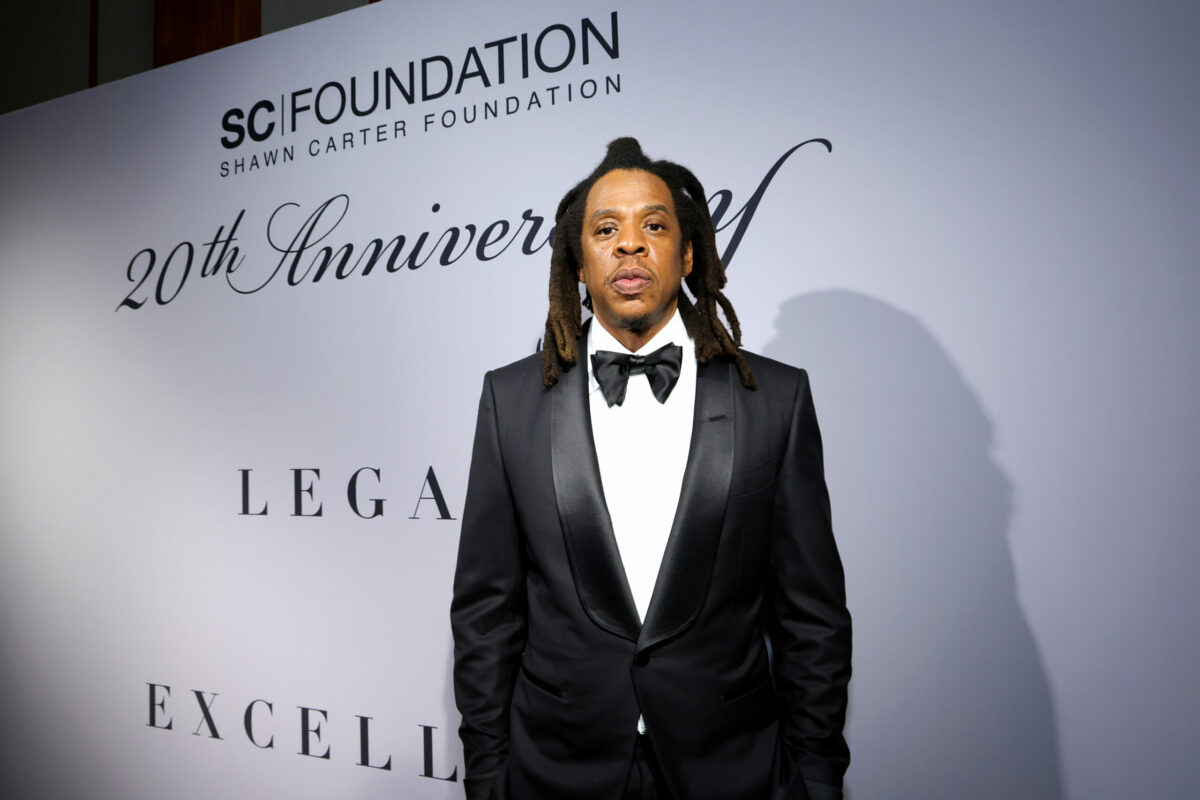
Jay-Z Buys Beyoncé Fan Art After Seeing It On The News
One Beyoncé fan who shared her artwork of the singer on the local news had her day made when Jay-Z purchased a few of her pieces.
MSN reports that Lauryn Michele appeared on NBC over the weekend after bringing her Beyoncé canvases to the singer’s “Renaissance” tour at Met Life Stadium in New Jersey. Jay-Z loved the pieces and bought three pieces from the young artist.
Michele took to her TikTok to share the big news in a video that recapped her night attending the concert with her paintings and making it on the news.
“POV: you were on the news and Jay-Z bought your paintings,” she captioned her post.
One fan agreed with Jay-Z’s decision to buy the paintings.
“Anyone who paints my wife I’m buying them too,” they quipped.
Beyoncé and Jay-Z are known art collectors who subtly boast about their pricey artworks in their songs. Their personal art collection includes pieces by the greats like Damien Hirst, Andy Warhol, Richard Prince, David Hammons, and Jean-Michele Basquiat.
In fact, the new home the Carters purchased in Malibu, California, is said to double as a showcase for their personal art collection, W Magazinereports. The house, noted as the most expensive real estate purchase in California history, was originally commissioned by modern art power collectors Bill and Maria Bell.
Now Lauryn Michele can add her name to the list of notable artists the Carters have displayed in their lavish home museum.
Snoop Dogg Says New Skechers Collaboration Has ‘Shoes For Everyone’
Legendary West Coast rapper turned media icon Snoop Dogg is stepping into the sneaker game with a hot new collaboration with Skechers, Billboard reports.
The Snoop Dogg x Skechers Collection dropped like it’s hot on Aug. 1 and caters to the classic “OG” style combined with a taste of Snoop’s signature style. With his name on every shoe, Snoop thinks the collection will help fans “step yo shoe game up.” “Step yo’ shoe game up with my style and swag in every pair — with Skechers you’ll be comfortable wherever you go,” he said in a statement. “Wear them with a suit to a wedding or on the court with shorts, you’ll look fly either way because these shoes are for everyone.”
The collection ranges from lace-up to slip-in sneakers and dropped just in time for hip-hop’s birthday celebration on Aug. 11. Each sneaker mimics some of Snoop’s flavor and favorite colors. The Snoop One DoubleG is a slip-in-based shoe in black and blue bandana-print leather. As for the Skechers Stamina – Snoop ’91 sneaker, the retro design pays homage to a “special era” in the Gin & Juice rapper’s life. The first Skechers Stamina shoe debuted in 1994, the same year as Snoop’s platinum-selling album Rhythm and Gangsta: The Masterpiece. The suede and mesh blended shoe colors were handpicked by Snoop himself, coming available in gray/orange, tan/navy, and a white/multicolor design.
Fans can purchase the Skechers Slip-Ins Snoop Dogg: Snoop One – OG and the Snoop Dogg Go Runs Swirl Tech Dizzie to finish the collection.
Snoop, whose real name is Calvin Cordozar Broadus Jr., told HypeBeast the new collection reflects how his style has evolved during his 20+ year career. “I think my style has always been unique to me. It’s always been looked at as, ‘How does he reinvent himself?’ When it’s really not reinvention,” he said. “So it only made sense to try to create a shoe that I could feel comfortable wearing and that could also impact people around the world. There are shoes for people who have jobs where they need steel toes, athletes, entertainers — we’re trying to make a shoe for everybody.”
The sneakers range in price from $100 to $125 and come in sizes starting at three and a half to 14.
Jonathan Majors Appears In ‘Loki’ Trailer Amid Domestic Violence Case
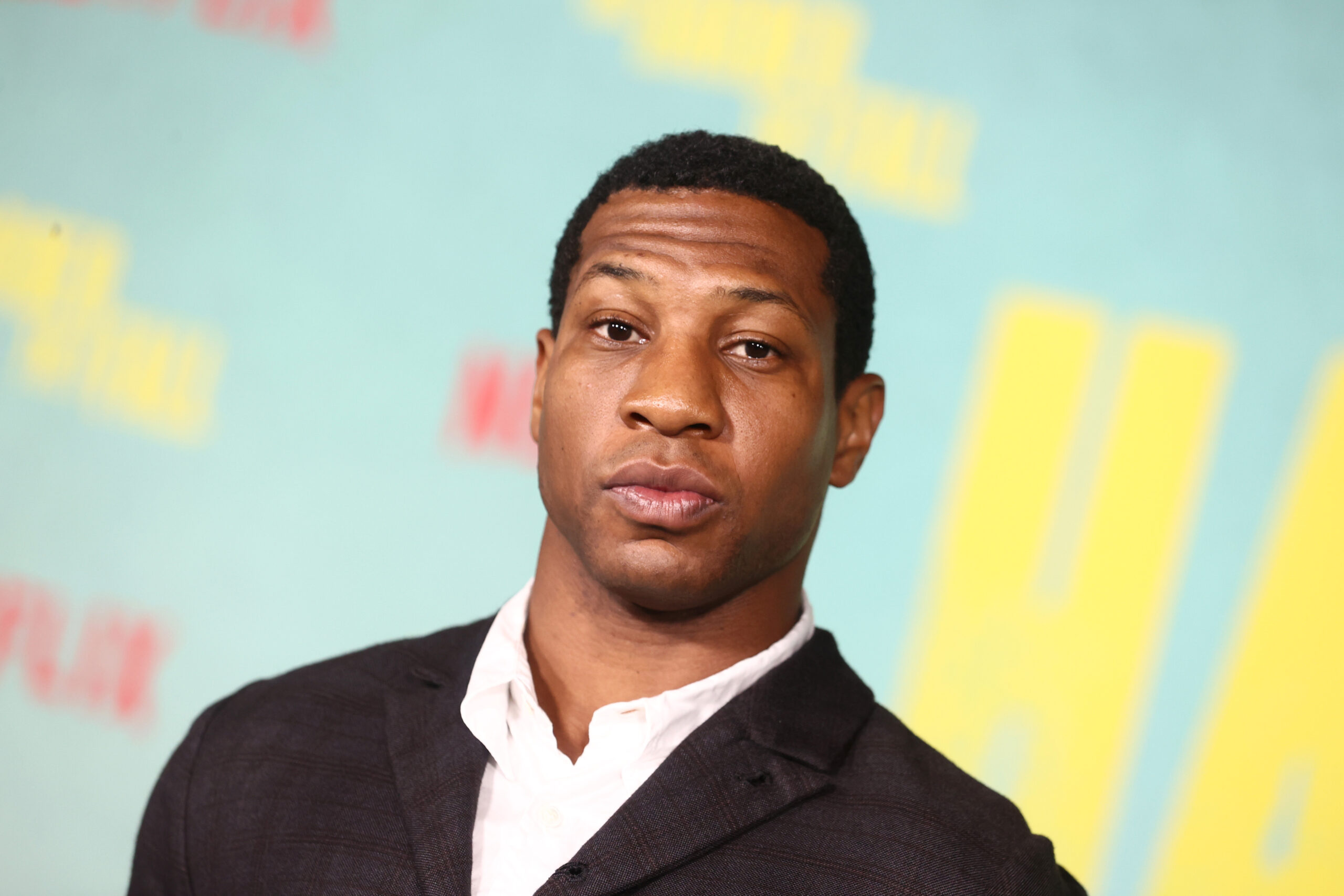
Marvel is seemingly sticking beside Jonathan Majors as the actor appears in the new “Loki” trailer amid his domestic violence case in New York.
On Monday, July 31, Disney+ released the trailer for Season 2 of its six-episode Marvel mini-series Loki, returning Oct. 6. Highlighted in the trailer is the series star Loki (Tom Hiddleston) and Agent Mobius (Owen Wilson).
Majors can be seen upon mention of his villainous Marvel role Time Variance Authority, He Who Remains, along with two notable MCU newcomers, Ke Huy Quan and Rafael Casal. Season 2 follows Loki and Agent Mobius’s investigation into the start and potentially catastrophic consequences of the multiverse unleashed by Loki’s variant Sylvie (Sophia Di Martino) after she killed the creator of the Time Variance Authority, He Who Remains (Majors), in Season 1.
The trailer comes ahead of Majors’ trial on domestic violence charges that kicks off in August, LA Timesreports. It follows his March arrest on misdemeanor charges of assault and harassment stemming from an alleged confrontation in New York City with his ex-girlfriend Grace Jabbari.
Jabbari told police the Creed III star assaulted her during a taxi ride to his home in Manhattan. His attorney has denied the allegations claiming Majors was actually the victim and released a video showing the accuser uninjured, partying in a Manhattan nightclub hours after the alleged incident.
In June, an exposé unveiled a slew of allegations accusing Majors of abusing multiple ex-girlfriends and being violent on sets over the last decade. Amid the claims, Majors has reportedly lost out on several developmental projects, including a film adaptation of the Walter Mosley novel The Man in My Basement as well as the unannounced Fifth Season’s Otis Redding biopic, Otis and Zelma, according to Vulture.
Majors’ fate with Marvel remains a question following his standout performance as Kang The Conqueror in Ant-Man and the Wasp: Quantumania. In June, Majors received support from his current girlfriend, actress Meagan Good, while making for a court appearance.
The Lovecraft Country star had the strangulation charge dropped and pleaded not guilty to the other four counts. His trial is scheduled to begin on Thursday, Aug. 3.
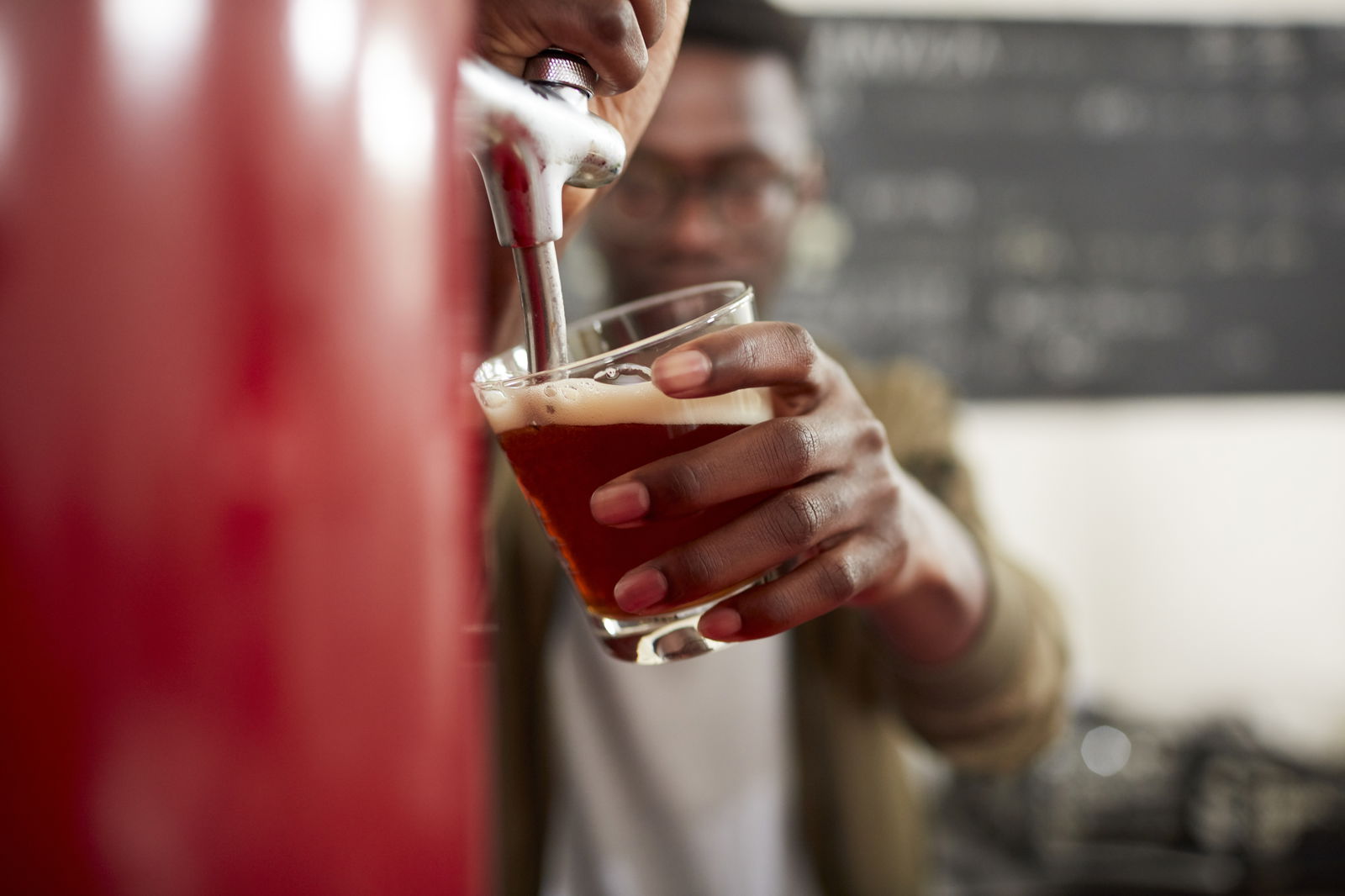
Oakland’s Only Black-Owned Brewery ‘Hella Coastal’ Looks to Be the First of Many
A new brewery in Oakland has broken barriers by becoming the city’s first Black-owned brewery.
According to PBS News Hour, one of the country’s few Black-owned breweries is Oakland’s Hella Coastal. The business started in 2020 and is owned by founders Chaz Hubbard and Mario Benjamin. As the two brewers competed with each other to see who could make the best beer while home-brewing, they decided it would be best to start their own brewery together.
“One day, we were brewing together, home-brewing, and kind of brainstorming, like, well, we’re doing this right here. We’re making beer. It’s fun. It’s enjoyable. We love the craft. Like, why don’t we try to start a brewery together?”
In appreciation of and to represent where they come from, their latest product is named Oakland Haze which signifies their love for the hometown baseball team, the Oakland A’s. They also did one celebrating Black History Month and Women’s Appreciation Month. It’s named 3900 ‘Til Infinity, and it pays respect to Black female brewers who have been part of the brewery process for centuries.
Hubbard said, “It was 3900 B.C. in Mesopotamia where the first beer recipe is supposed to be conceived by a Black woman, just kind of to knock down those barriers of folks thinking that it’s just like German and European. And we want to make sure that people know the real history of it.
“It’s not just about Black History Month and beer, but it’s also like, yo, like, we do this, we have been doing this, we’re going to continue doing it.”
The duo is renting space in a taproom in downtown Oakland, but they hope to open a brick-and-mortar venue in the future. They want it to be a space where people in the community and allies can visit and feel welcomed.
Benjamin added, “And one thing that we want to do in our space is to not only make it inclusive, but we also want to make it a place where people can come in, learn about beer, have different beer styles, but, at the same time, have guest speakers, have artists, have art on the wall that’s representing the community and highlight organizations, nonprofits, initiatives that’s really resonating to — not only to us but just to the community in general.”
They recently got good reviews at Sonoma County’s craft beer festival, where the consumers and brewers were mainly white. Being one of the only Black brewers is a thing right now, but with success, it may encourage others to join them to add more Black owners to the game.
Carlee Russell Hoax Prompts Alabama Lawmaker To Propose Bill Making Lying To Law Enforcement A Felony
The Carlee Russell hoax has sparked a fire under Alabama lawmakers.
CBS 42 reports Alabama Sen. April Weaver (R-Brierfield) has announced plans to file a bill that makes faking an abduction a felony. As Russell faces two misdemeanor charges that could put her in jail for up to a year, Weaver feels that isn’t enough. “Individuals who concoct and carry out sham kidnappings and lead our law enforcement officers on wild goose chases must be given severe penalties for their deceptive actions,” Weaver said in a statement.
While the bill hasn’t been filed yet, the ramifications include “strong prison sentences and mandatory restitution requirements for the full cost of resources expended by law enforcement agencies during a hoax abduction.” Several local officials, like Hoover City Council President John Lyda, support a bill like this as he feels that innocent taxpayers shouldn’t be victims in cases like Russell’s. “There are 96,000 victims, and those are the taxpayers of the city of Hoover that not only sat on edge worried for our community but expended a tremendous amount of resources over the course of that week to chase down leads on something we now know was totally made up,” Lyda said.
Russell made headlines after her alleged kidnapping turned into a nationwide search. Days later, Hoover Police announced her abduction was a hoax, and the 25-year-old nursing student would face charges. If the legislature is passed, Alabama will be added to the list of other states—Tennessee and Florida—that already have laws in place for falsifying certain claims to law enforcement, according to WVTM 13.
Lying to law officials can carry sentences of up to five years in prison.
Jimmy Lambert, Alabama Sheriffs Association executive director, says he supports harsher penalties for lying to law enforcement. “We applaud this, and we’re looking forward to working with the legislature to do what we need to do to enhance the penalties,” Lambert said.
Weaver plans to introduce the bill in the coming weeks, and the city council will vote next week on a resolution to support such legislation. The next session for the legislative to be considered will begin in February 2024.