Harlem, cannabis, New York
photo credit: pexels

As Marijuana Legalization Grows In The U.S., Jamaica Cracks Down on Ganja

Since the beginning of 2025, law enforcement in Jamaica has seized more than 40,000 pounds of ganja, valued at $121 million.


Travelers visiting Jamaica may want to think twice about engaging in recreational drugs after three men were arrested and charged when authorities uncovered over 3,000 pounds of the drug in mid-July 2025, Jamaica Observer reports. 

The massive load of ganja was seized at Toms River at the border of St Mary and St Andrew when Heron Brown, a farmer, Wade Richards, a vendor and Delroy Wilson were apprehended as the Caribbean nation cracks down on the illicit trade of guns for drugs. All three men, ages ranging between 28 to 50, face charges including two counts of possession of marijuana, two counts of dealing the drug, two counts of taking preparatory steps to export ganja and two counts of trafficking and conspiracy to traffic. 

The ordeal went down when members of the Firearms and Narcotics Investigation Division (FNID) Special Operations Team spotted two cars  in Toms River – one with Wilson and two Haitian natives – and the other with Brown and Richards. After a thorough search, authorities uncovered over 350 parcels of marijuana – equaling an estimated street value of $9.3 million. 

Since the beginning of 2025, law enforcement has seized more than 40,000 pounds of ganja, valued at $121 million. But that’s not the only drug being captured on Jamaica’s beautiful sands. Over 1,700 pounds of cocaine, valued at over $405 million has also been seized. 

FNID Director and Acting Senior Superintendent of Police Patrae Rowe correlated the mass findings to the guns-for-drugs trade taking over the country. “These drugs act as currency to arm criminals with weapons. The value of the drugs seized so far this year is more than JM$500 million. If not intercepted, this could have potentially placed more than 400 rifles or over 800 handguns into the hands of hardened criminals in Jamaica,” Rowe said. 

“That is why we have heightened vigilance and have enhanced our operations surrounding these drugs; they are traded for the weapons of choice in committing murders – firearms.”

In a turn of events, Jamaica seems to be cracking down on its reputation of being ganja friendly while the United States is looking to take its spot. While the drug is still labeled as illegal on a federal level, 24 states, starting with Colorado, have made marijuana use legal on the state level, according to US News & World Report

In October 2022, former President Joe Biden asked for a review of how ganja is classified under federal law, resulting in the Drug Enforcement Administration (DEA) reclassifying marijuana to a Schedule I drug, labeled as less dangerous. However, with President Donald Trump deep in his second term, his DEA pick, Terry Cole, said during his confirmation hearing that he wants to take a deep dive into the rescheduling process, despite the drug use being supported by some Republicans. 

As for medical marijuana, things are a little more fluid in the U.S. The use of cannabis for medical purposes is approved in 48 states including Washington, D.C. Some states instituted medical marijuanna programs, permitting the use of the high-inducing THC component and others using CBD, which in some cases does not cause a high.

RELATED CONTENT: Marijuana’s Legalization is Complicated for Business Owners
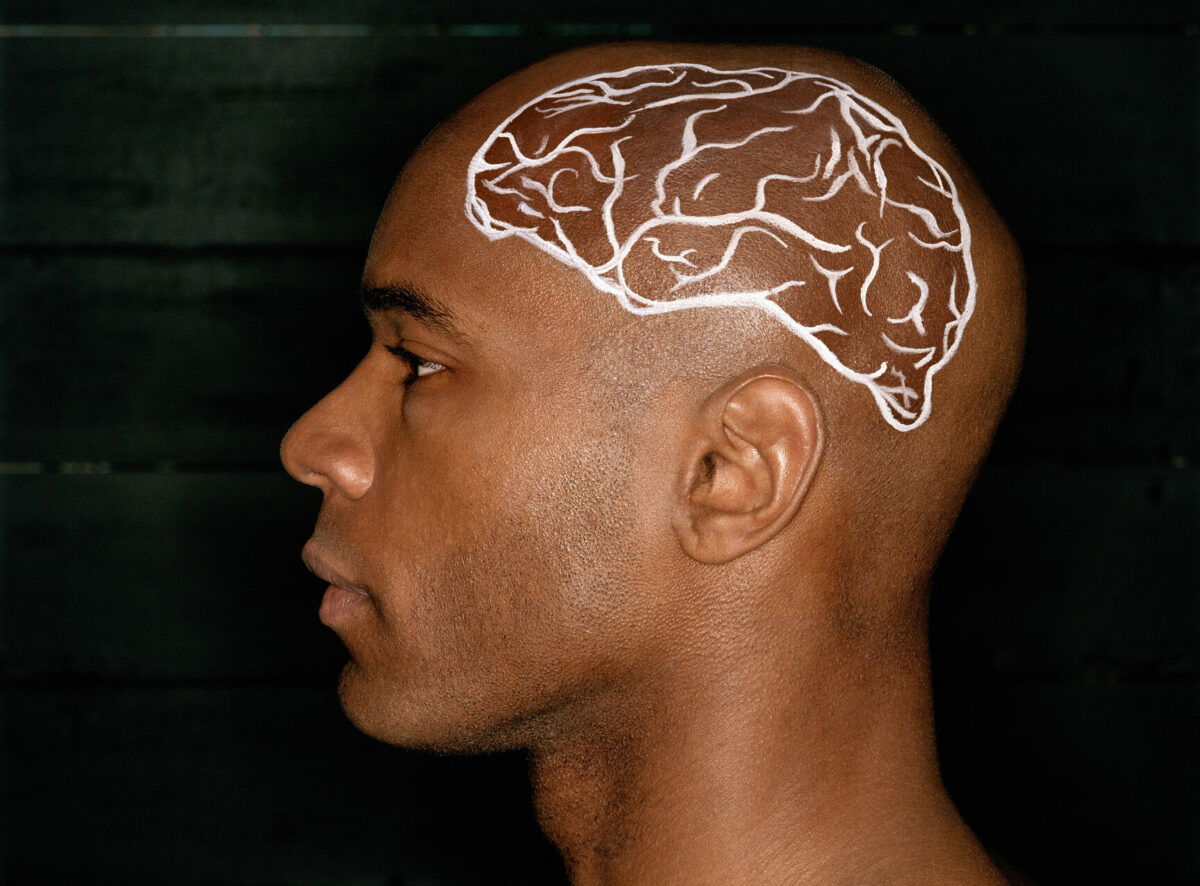
Racial Brain, Smithsonian

New Research Shows COVID-19 Aged Our Brains Faster

Pandemic-era brains aged 5.5 months faster compared to the brains studied before the pandemic.


New research shows COVID-19 has aged our brains faster. While we’ve all heard of Long COVID, characterized by ongoing symptoms that persist for at least three months, and the impacts on the brain, such as cognitive problems, new research shows that the brain is also affected in those who didn’t get sick.

In a study published in Nature Communications, British researchers found that during the pandemic years of 2021 and 2022, people’s brains exhibited signs of accelerated aging. Pandemic-era brains aged 5.5 months faster compared to the brains of those who were studied before the pandemic.

Researchers examined brain scans from 1,000 people during and before the pandemic. Scientists examined brain function, gray and white matter volume, a person’s cognitive skills, and their chronological age. Gray matter is crucial for memory, emotions, and motor control. White matter is vital for helping nerves transmit electrical signals.

“This finding was interesting and rather unexpected,” said Ali-Reza Mohammadi-Nejad, who led the study from the University of Nottingham School of Medicine in the U.K.

He added, “We found that participants who simply lived through the pandemic period, regardless of infection, also showed signs of slightly accelerated brain aging. This highlights that the broader experience of the pandemic—including disruptions to daily life, stress, reduced social interactions, reduced activity, etc.—may have had a measurable impact on brain health.”

The Impact COVID Had On Black Patients and Their Brains  

The aging effect was most pronounced in males, the elderly, people with compromised health, and those with socioeconomically deprived backgrounds.

For Black patients, research from the National Institutes of Health reveals that there were disproportionate effects on their mental and physical health at the peak of the pandemic. The Black population has been made especially vulnerable to the impacts of COVID-19 on mental health. Various studies show Black patients have a higher frequency of certain neurological symptoms, with the most frequent neurological complaint listed as altered mental status.

In Maryland, for example, while overall rates of suicide seem to have decreased during the height of the pandemic, a state study revealed an increase in suicide by 94% among Black residents compared to a 45% decrease among White residents.

Psychologists warn that the lingering impacts of COVID-19 have significantly impacted the Black community and exacerbated existing health disparities. The best thing health professionals can do is help Black patients meet their mental health needs by enhancing their engagement with other aspects of rehabilitation, such as physical and occupational therapy.

“Policymakers and communities must work together to address these challenges and ensure that all in the Black community have the support they need to recover from the pandemic and its long-term effects,” the American Psychiatric Association writes.

RELATED CONTENT: New COVID-19 Strain Causing ‘Razor Blade Throat’ Spreading In U.S.

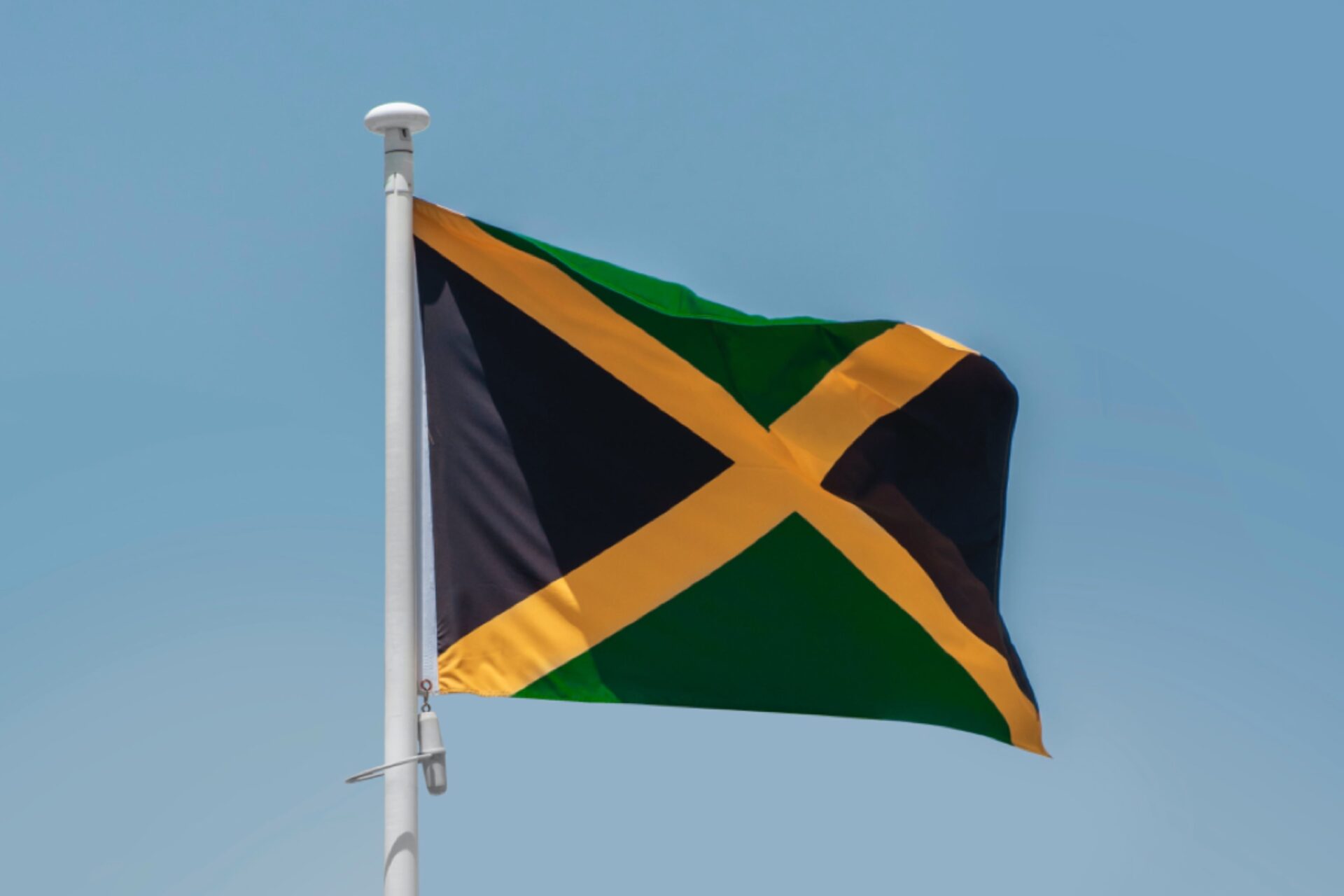
Jamaica, travel, violent crimes, Jamaican restaurant
(Photo: aboodi vesakaran/Pexels)

Fernando Edwards Releases Latest Collection, ‘Legacy Continues’ From Jamroc Dept

The former athlete has released a collection before Jamaica's Emancipation and National Heroes' Day to celebrate the island's culture.


A former athlete-turned-filmmaker-and-clothing designer has released the latest collection of his clothing line, Jamroc Dept, named “Legacy Continues.”

According to The Jamaican Observer, Fernando Edwards, the founder and designer of Jamroc Dept, has released the collection right before the celebration of Jamaica‘s Emancipation and National Heroes’ Day. The filmmaker, who currently resides in Los Angeles, grew up on the Jamaican island of Clarendon before relocating to Portmore. He wanted to create something to celebrate the Jamaican diaspora.

View this post on Instagram

A post shared by JAMROC DEPT (@jamrocdept)

“This collection is aimed at focusing on the Jamaican diaspora. I want them to be able to reflect and relate to the meanings behind them, especially since we have Emancipation and National Heroes’ Day coming up. So, all of these holidays that are coming up will reflect the whole concept of what Jamaica is. I will also be pushing ‘Out of Many, One People’…,” Edwards told the media outlet.

The Jamaican native, who attended Edwin Allen High School, was a track star who received an athletic scholarship to Missouri Baptist University, located in Creve Coeur, Missouri. After graduating, he received a degree in business management. No longer involved in athletics, he relocated to Los Angeles, where he established a catering business and acted in and directed several projects, including the 2023 crime thriller, Rooted Betrayal. He is currently working on another film.

Edwards is still interested in designing clothes for his brand, as he wants to spread awareness and bring on people to help Jamroc Dept grow.

“My focus is not only on making money, but it is to spread awareness and put Jamroc at the forefront so that people know that there is another brand. This is something where people can also be a part of it and earn. It’s more than just a brand; it’s a cultural movement, especially in this day and age with influencers,” he said.

RELATED CONTENT: ELEVATING YOUR EXCELLENCE: Tarana Burke Led Activism Against Sexual Assault When It Wasn’t Socially Acceptable

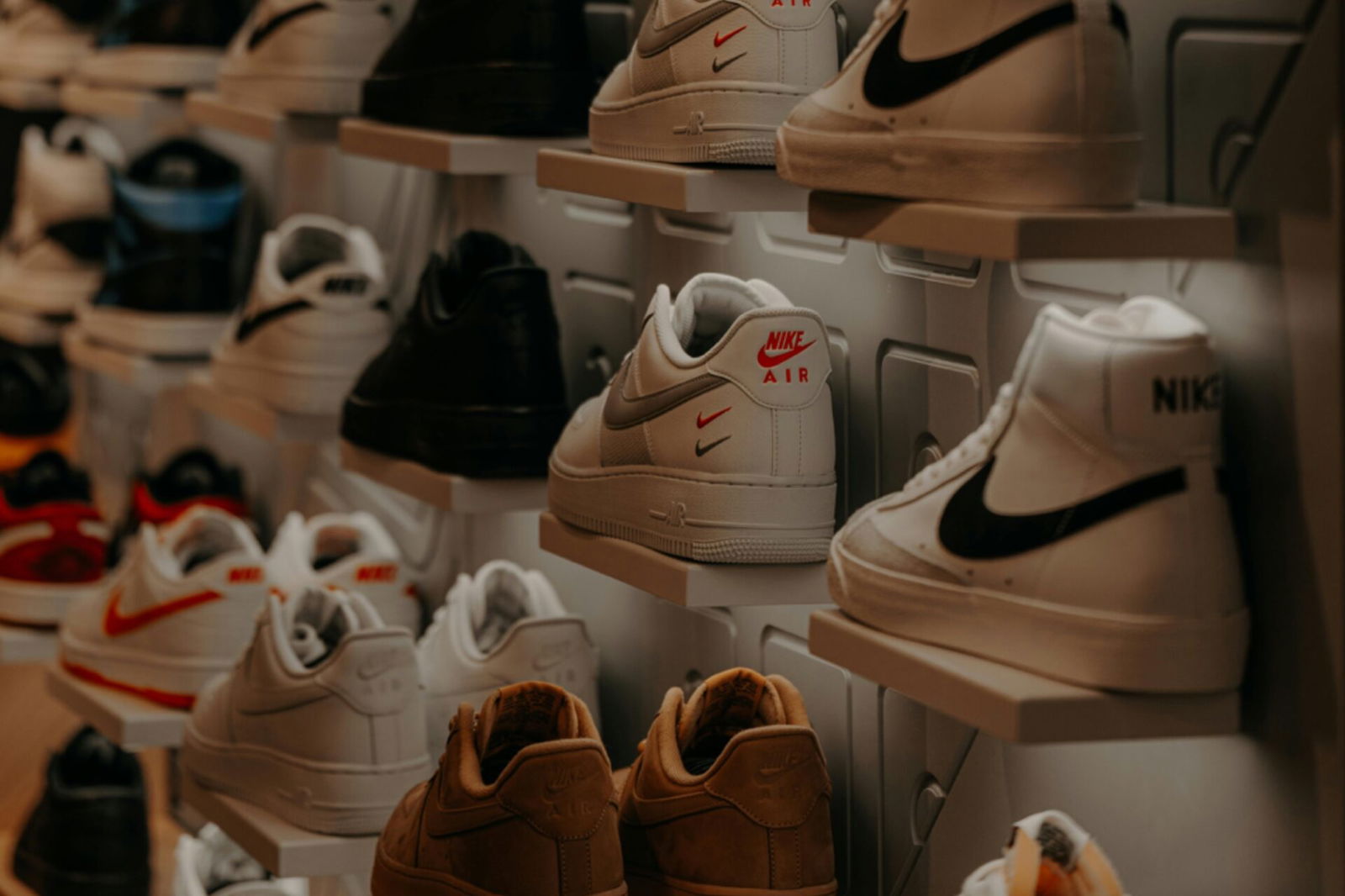
culture atlanta, consigner, seller, shoe, Cumberland mall, Cobb county, burglary, robbery, theft
Photo by Avneet Kaur/Pexels

Black Basketball Players Are Dropping New Kicks That Are Hotter Than Fish Grease

The sneaker scene reaches new levels this summer


The sneaker scene reaches new levels this summer as Black athletes deliver some of the most daring sneaker releases, continuing to push the boundaries of basketball culture. Athletes from both the NBA and WNBA drop signature sneaker lines and collaborative projects that integrate athletic functionality with personal narratives and streetwear trends.

These shoes evolve from court-ready, low-top essentials to lifestyle designs for leisurely wear. They are bold declarations rather than mere athletic equipment. This season’s footwear commands your attention. So, peep these six exceptional sneaker releases from Black professional basketball players.

Anthony Edwards

Minnesota Timberwolves NBA standout Anthony Edwards collaborated with Adidas to create the Adidas AE 1 “Preloved Lime” sneaker. The AE 1 functions as a fashionable accessory for individuals who want to make bold statements on and off the basketball court. The limited-edition colorway, featuring a neon green blend with futuristic elements, was released on July 19. 

A’ja Wilson

A’ja Wilson emerged as the inaugural Black female athlete to secure a Nike Basketball signature shoe deal, marking her place in sports history. Having debuted July 18, the Nike A’One “Supernova” sneaker showcases cosmic colors that embody Wilson’s court energy and dominance. This sneaker is designed for explosive movements paired with all-day comfort, making it a favorite among athletes and trendsetters who seek stylish footwear.

Kyrie Irving

Renowned basketball player Kyrie Irving joined forces with ANTA to develop the ANTA KAI 2 “Sun” sneaker.” Released July 11, this sneaker is Irving’s second signature collaboration with ANTA, featuring a design that embodies spiritual elements alongside bold aesthetics while maintaining performance readiness. The “Sun” represents Irving’s artistic evolution and personal growth, inspired by the energy of light and renewal. The KAI 2 “Sun” combines grip-enhancing outsoles with full-length cushioning and complex artistry to serve as both footwear and a statement piece.

Tyrese Haliburton

NBA player Tyrese Haliburton, who represented the Indiana Pacers in the recent championship, unveiled his newest signature shoe, the PUMA Hali 1 “Hibiscus. The sneaker is priced within the $120 to $140 range and showcases bold floral tones. Its NITRO foam technology delivers outstanding cushioning and support combined with the lockdown support system, which guarantees a secure fit.

Jayson Tatum

The Jayson Tatum sneaker, which bears the moniker Jordan Tatum 3, represents the Boston Celtics’ spirit in its design. This performance-ready build features psychedelic “Tie-Dye” colors, making it an unconventional yet stylish option. The Tatum 3 sneaker is also a nod to his son and was released July 11. 

Ja Morant

Memphis Grizzlies’ NBA player Ja Morant teamed up with Nike to design the exclusive Nike Ja 3 “Max Volume” sneaker. This sneaker markets at $140 and caters to players who transform each possession into a memorable performance. The “Max Volume” Ja 3 has infrared tones to depict Morant’s dynamic energy. Aug. 15 is the release date. 

RELATED CONTENTAngel Reese Turns ‘Mebounds’ Disrespect Into Trademark, Launches Sneakers

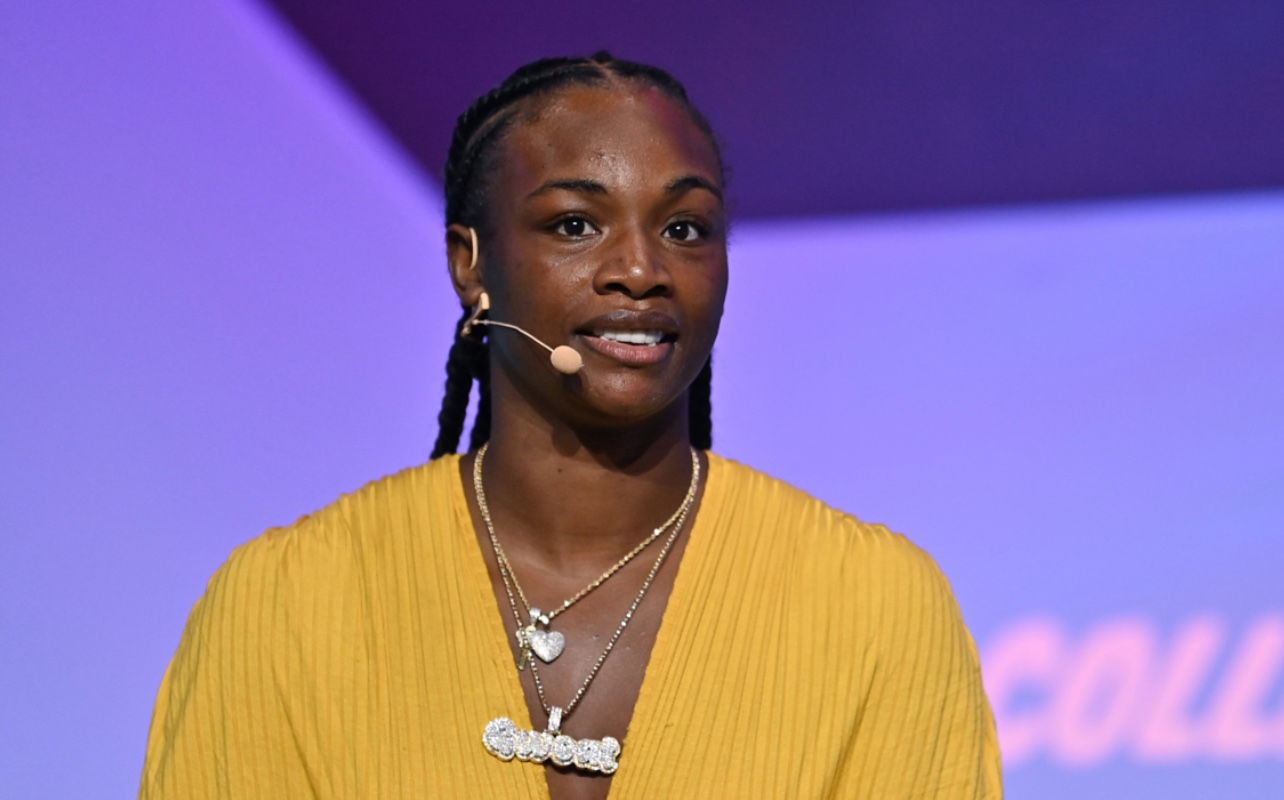
Claressa Shields, boxing, weigh-in, Franchon Crews-Dezurn
(Photo: Collision Conf, CC BY 2.0, via Wikimedia Commons)

It’s Going Down: Claressa Shields To Defend Heavyweight Title Against Lani Daniels

The champion is 16-0


The self-proclaimed G.W.O.A.T. (greatest woman of all time) Claressa Shields brings her undefeated record back to the Little Caesar Arena in Detroit, where she will take on a challenge from Lani Daniels on July 26.

According to DAZN, fans in and outside of Detroit who want to view the fight at home can tune into the main bout, along with the undercard matches, via the company’s live stream. Anyone who already has a subscription to DAZN can watch the fight, which is included in their offering. Others can subscribe to gain access. The boxing match is available in over 200 countries. More information is available on the DAZN website.

Shields makes a return to the ring after being suspended for a month after testing positive for marijuana after her last bout against Danielle Perkins in February 2025. However, after an investigation, the Michigan Unarmed Combat Commission (MUCC) removed Shields’ name from the suspension list, clearing the boxer.

The undefeated fighter will go up against Daniels, a New Zealand native with an 11-2-2 record.

The first boxing contest of the evening will start at 6 p.m., with the broadcast of the other matches starting at 8 p.m. Below are the scheduled fights for July 26.

  • Claressa Shields vs Lani Daniels; Heavyweight, for the undisputed title
  • Tony Harrison vs Edward Diaz; Middleweight
  • Pryce Taylor vs Robert Simms; Heavyweight
  • Samantha Worthington vs Victoire Piteau; Super lightweight, for the WBA interim title
  • Caroline Veyre vs Licia Boudersa; Featherweight

Shields, who knows how to bring attention to herself, has recently challenged Laila Ali, with whom she has been locked in a back-and-forth verbal battle, to get into the ring with her. Ali, the daughter of boxing heavyweight champion Muhammad Ali, the man who coined the term G.O.A.T. (greatest of all time), is considered the best female boxer to circle the boxing ring. She retired undefeated with a 24-0 record with 21 knockouts (she boxed from 1999-2007). Their beef stems from the braggadocios Shields claiming to be the best female boxer, although many critics have Ali holding that title.

Ali hasn’t been inside a ring since 2007, which amounts to 18 years, long before Shields, who is 30, stepped inside one. Ali is 47, and most observers feel Shields is being a bully, knowing Ali hasn’t fought in almost two decades.

After Ali stated that it would take at least $15 to $20 million to lure her back into the ring, Shields told TMZ Sports in a video that she has secured $15 million to give Ali if she agrees to step in the ring with her. Ali has yet to respond.

RELATED CONTENT: Gervonta Davis Arrested On Domestic Violence Charges In Florida

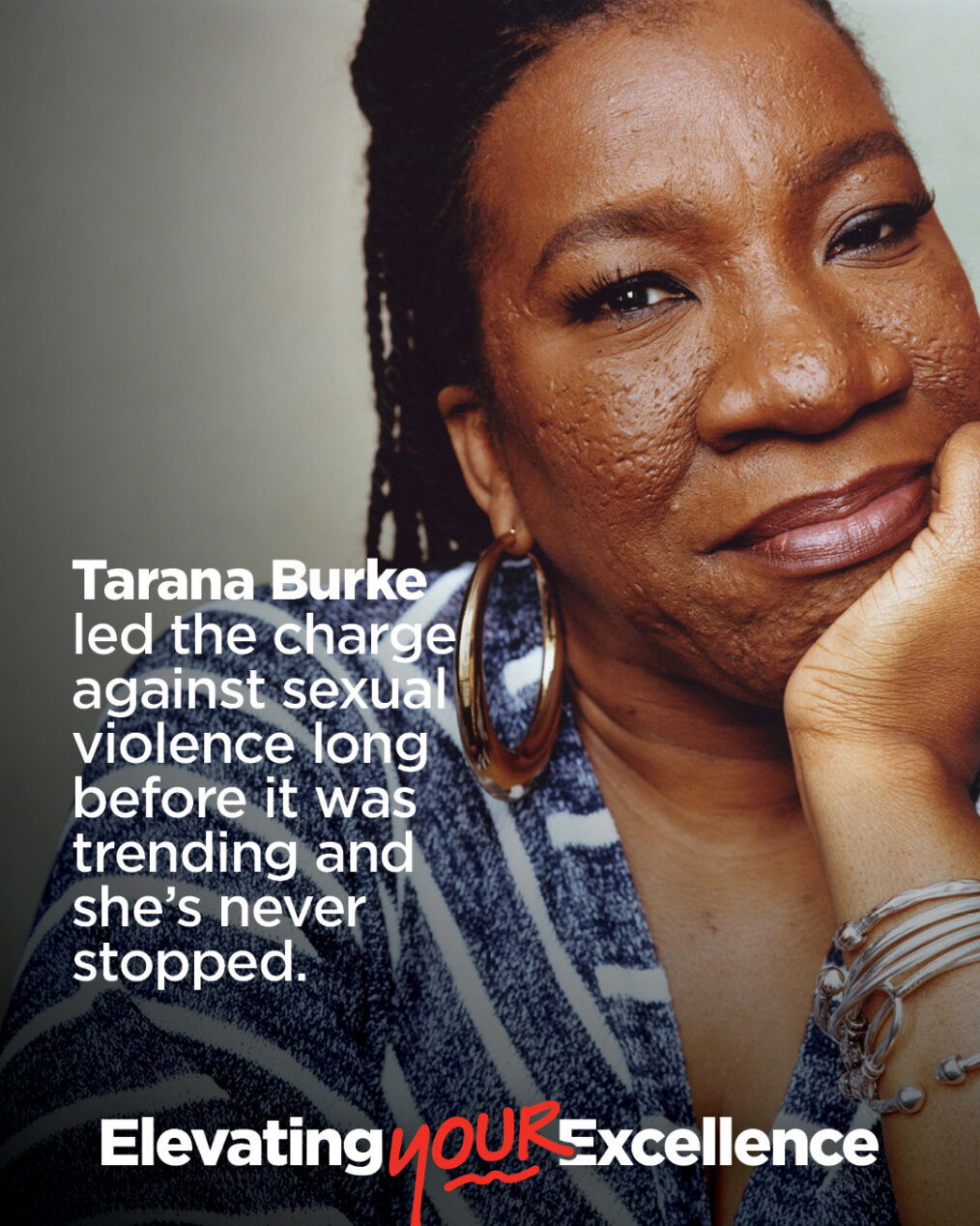
ELEVATING YOUR EXCELLENCE: Tarana Burke Led Activism Against Sexual Assault When It Wasn’t Socially Acceptable

ELEVATING YOUR EXCELLENCE: Tarana Burke Led Activism Against Sexual Assault When It Wasn’t Socially Acceptable

The genesis of the “Me Too” Movement traces back to the 90s.


Tarana Burke, a formidable activist, community organizer, and executive, has indelibly shaped the discourse surrounding sexual violence and empowerment through her foundational work on the ‘Me Too’ Movement. Her resonant hashtag, #meToo, has transcended digital platforms, registering more than 19 million uses on Twitter alone since its viral resurgence in 2017. 

The movement’s widespread impact earned Burke and other “Silence Breakers” the prestigious distinction of TIME Magazine’s Person of the Year in 2017.

Born on Sept. 12, 1973, in The Bronx, New York, Burke’s commitment to activism and community organizing blossomed early. In the late 1980s, as a teenager, she immersed herself in the 21st Century Youth Leadership Movement, spearheading campaigns and initiatives addressing critical issues such as housing inequality, racial discrimination, and economic injustice across New York City. This early fervor propelled her to Alabama State University, a historically Black college or university (HBCU), where she honed her organizational acumen and continued her advocacy throughout her collegiate career. 

After graduating, she returned to Selma, Alabama, to work with 21st Century, where she encountered numerous young Black women who were survivors of sexual violence and abuse. As a survivor herself, Burke deeply identified with their experiences, pivoting her efforts toward providing crucial resources, support, and safe spaces for these young women to share their narratives.

The genesis of the “Me Too” Movement traces back to the 90s, when Burke, then a youth camp director, had a pivotal encounter with a young woman disclosing sexual abuse. Though unable to offer an immediate, comprehensive response, this moment became the profound catalyst for the movement she would formally establish a decade later. Continuing her focus on young women of color, Burke co-founded Jendayi Aza, an African-centered Rites of Passage program for girls, which subsequently evolved into her nonprofit organization, JustBe, Inc., founded in 2007. This organization was designed to empower and encourage young Black girls through unique programming and workshops, achieving such significant community impact that every public school in Selma, Alabama, adopted its program. 

Shortly thereafter, the “Me Too” Movement was formally born, conceived as a mechanism for young women of color to articulate their experiences, with Burke employing the phrase ‘me too’ to foster “empowerment through empathy.” Her campaign aimed not only to facilitate healing but also to train survivors to become leaders within their communities.

While developing “Me Too,” Burke maintained an active presence in the nonprofit sector. Her roles included managing director of Art Sanctuary, a Black arts organization in Philadelphia, and executive director of the Black Belt Cultural Arts Center, where she developed community programs for underserved youth. 

In Selma, she served as a curatorial consultant and special projects director at the National Voting Rights Museum & Institute, where she notably contributed to the organization of the annual Selma Bridge Crossing Jubilee, commemorating the historic Selma Voting Rights Movement. Her extensive work earned her a consulting position on Ava DuVernay’s acclaimed film, Selma, in 2014. 

Years later, Burke’s work gained unprecedented global prominence during the 2017 Harvey Weinstein sexual abuse scandal, when her hashtag #metoo rapidly went viral, inspiring individuals worldwide to share their stories and align with the movement.

Following this surge of global support, Burke emerged as a pivotal global leader, igniting a broader conversation about sexual violence. Her steadfast commitment to racial justice, arts and culture, anti-violence, and gender equity has been a hallmark of her nearly three-decade career. She consistently utilizes her platform to convey that healing is attainable, that survivors are inherent leaders, and that eradicating sexual violence must be a paramount social justice imperative. 

In 2018, Burke founded “Me Too.”  International, a global nonprofit dedicated to advancing the movement’s vision and framework, serving as a convener, innovator, and organizer across mainstream and grassroots spheres to dismantle systems that perpetuate sexual violence, particularly within Black, queer, trans, disabled, and all communities of color.

Burke’s unwavering dedication has garnered numerous accolades, including her recognition as one of USA Today’s Women of the Decade in 2020 and the prestigious Sydney Peace Prize in 2019.

She also received the Harvard Gleitsman Citizen Activist Award. In 2018, she attended the 75th Annual Golden Globe Awards as a guest of actress Michelle Williams, further amplifying the movement’s visibility. Burke is a frequent commentator on social issues, with her insights published in prominent outlets such as Teen Vogue, Glamour, Ebony, Essence, and The Root, among others.

Most recently, the author of “Unbound” has continued her impactful work on multiple fronts. She weighed in on the high-profile Diddy trial, offering her perspective on Instagram.

Furthermore, she recently convened the # MeToo. Global Network Pan-African gathering on the sun-kissed shores of Diani Beach, Kenya, bringing together over three dozen organizations from 16 countries. 

“We’re still basking in the glow of what we created together last week. On the sun-kissed shores of Diani Beach, Kenya, more than three dozen organizations, representing 16 countries across the continent, came together for Me Too. Global Network Pan-African convening: ‘What can we do together, that we can’t do apart?’”

“We gathered as survivors, organizers, advocates, artists, and healers — each carrying stories, wisdom, and a shared dream of a world free from sexual and gender-based violence. Over several powerful days, we engaged in deep strategizing, honest dialogue, collective visioning, and intentional wellness practices that nourished both our spirits and our movement. Together, we built trust, connection, and a deep, rooted sense of solidarity. Thank you to every attendee, every member of our Global Network, and every single person who made this convening so special,” Burke shared, reflecting on the powerful convening focused on collective action and intentional wellness.

Burke currently serves as the senior director of Girls for Gender Equity in Brooklyn, New York, and resides in New York City with her daughter. 

RELATED CONTENT: Elevating Your Excellence: Fawn Weaver’s Entrepreneurial Vision Forges A Legacy Beyond Whiskey

grave, children grave
Photo by djedzura/Getty Images

Maryland To Memorialize Nearly 100 Newly Discovered Unmarked Graves Of Black Children

The unmarked graves of Black boys have reignited scrutiny of Maryland’s troubled criminal justice past.


Maryland state senator William C. Smith (D) and former Department of Juvenile Services Secretary Vincent Schiraldi want funding to protect and memorialize a site where 100 unmarked graves of Black children, some from the 1800s, were discovered.

The burial site, located near Prince George’s County’s Cheltenham Youth Detention Center, was close to the former House of Reformation and Instruction for Colored Children, the Washington Informer reports. The facility, founded in 1870 to confine Black boys as young as 5 years old, was notorious for forced labor and rampant neglect of the boys.

“We have to make sure we don’t repeat the mistakes of the past,” Schiraldi told The Washington Post. “They were segregating kids by race and treating the kids of color more poorly and burying them in a potter’s field. But at least they were taking them out of the adult prisons of the day.”

After being among the group to rediscover the burial site, Schiraldi hopes to see it transformed into a proper cemetery, giving the children buried there the recognition and remembrance they deserve.

“I want us to find out the names of those young people and do more historical investigation,” he told NPR’s All Things Considered. “I want at least—at least—a stone with all those young people’s names. I want to be able for people to get to those graves and mourn children because I’m sure they have extended family in Maryland. I want us to preserve the stones ’cause they’re deteriorating and falling apart like we would do for any other cemetery.”

Maryland now ranks fourth nationwide for incarcerating people for crimes committed as children and charges more youth as adults per capita than nearly any other state, trailing Alabama. Black children are seven times more likely than white children to face adult charges.

The recently uncovered unmarked graves stand as a haunting reminder of the state’s deep, centuries-old scarred criminal justice system.

“Maryland’s shameful legacy of racism, neglect, and abuse in its treatment of young lives continues to this day,” said Olivia Naugle, Youth Justice Campaign strategist at The Sentencing Project. “More than 150 years later, though desegregated by the courts and operating under a new name, it still overwhelmingly detains youth of color, who are often charged as if they were adults.”

Advocates cite Maryland’s sweeping list of 33 offenses that automatically funnel youth into adult court as one of the harshest policies in the country. While more than half of U.S. states have scaled back or eliminated similar practices, Maryland won’t budge.

Smith, chair of the state Senate’s Judicial Proceedings Committee, said he is dedicated to reintroducing legislation that would lower the number of offenses that could send children to adult prison.

“We have the opportunity to reckon with the injustices of the past through action in the present,” Smith wrote on Facebook.

RELATED CONTENT: Black Activists Fight To Stop Storage Facility From Erasing Historic African Cemetery In Maryland

caribbean carnival
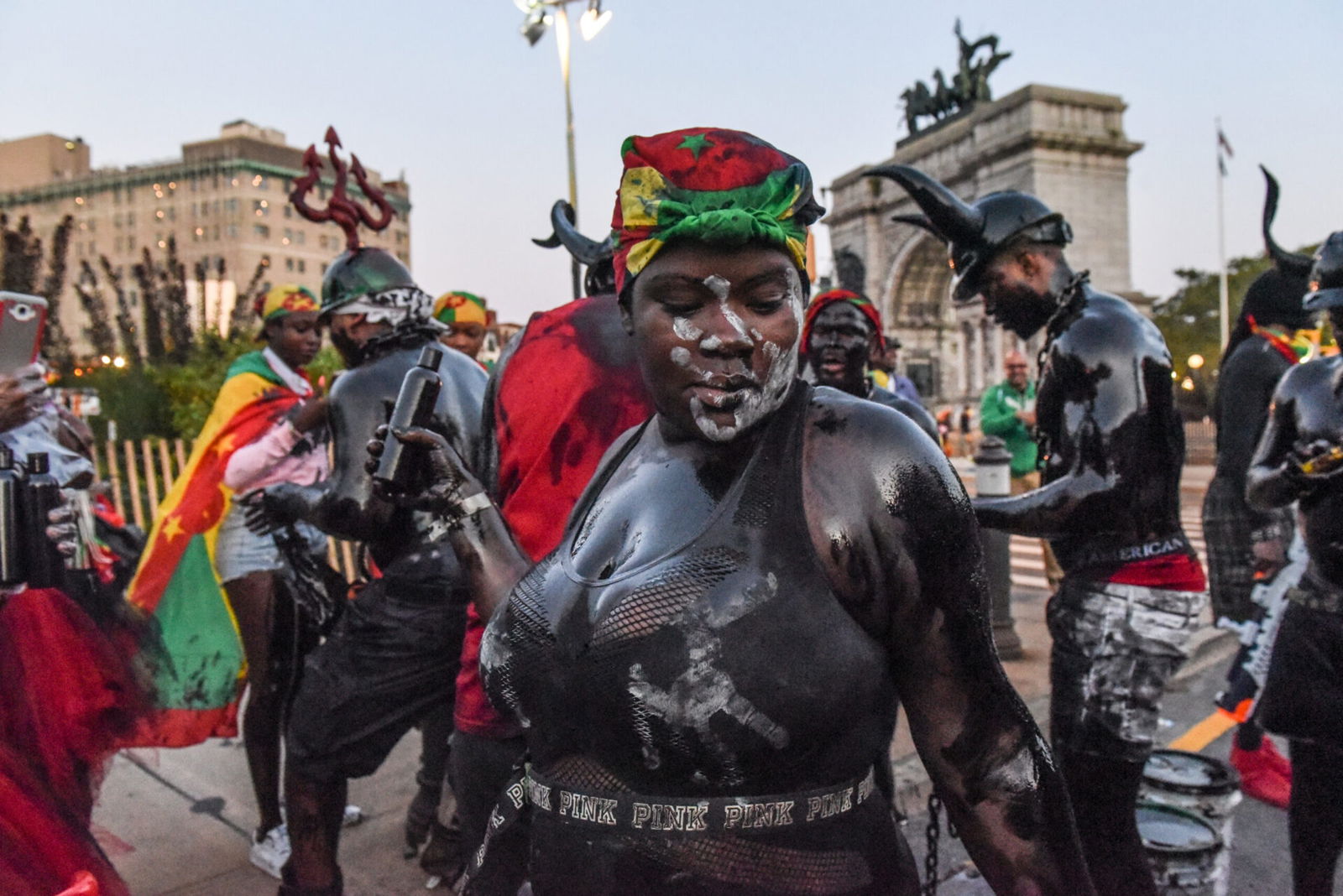
NEW YORK, NY - SEPTEMBER 4: Revelers put motor oil on their skin while participating in a Caribbean street carnival called J'ouvert on September 4, 2017 in the Brooklyn borough of New York City. J'ouvert, which draws tens of thousands of costumed celebrants, has been plagued by violence in recent years resulting in new intensive security measures. (Photo by Stephanie Keith/Getty Images)

8 Caribbean-Inspired Carnivals To Visit In The U.S.


Caribbean Carnivals have a strong grip on the culture, especially when it comes to production, presentation, and global partying. However, not everyone can make it to the host of islands to enjoy the festivities. Don’t fret. Several accessible carnival experiences take place throughout the United States. These dynamic events with all their culture, music, and heritage flood the streets and bring a touch of Caribbean vibes stateside. These fetes and parades embody Black joy and diasporic pride from Brooklyn, New York, to New Orleans, Louisiana.

Check out these eight Caribbean celebrations. 

Chicago Caribbean Carnival

The Chicago Caribbean Carnival, known as Windy City Carnival, takes place on Saturday, Aug. 16, at Midway Plaisance in Illinois. Windy City Carnival collaborates with local Caribbean organizations as hosts. There will be a Masquerade parade, Soca and Calypso stages, Caribbean cuisine, and plenty of family activities. Windy City Carnival is Chicago’s most expansive festival that celebrates the Caribbean diaspora. 

Delaware Caribbean Carnival

The Delaware Caribbean Carnival is an extraordinary experience that is also set for Aug. 16 in Wilmington, Delaware. Attendees will enjoy a street parade with live DJ performances and Caribbean cuisine while exploring cultural showcases. This expanding Mid-Atlantic festival has an inviting ambiance infused with Caribbean energy. The one and only Virgin Islands’ Queen-Temisha is set to perform.

Hartford West Indian Independence Carnival

Running Aug. 9 and 10, this event offers an electrifying adventure in Downtown Hartford, Connecticut. Attendees can indulge in Caribbean music and authentic island food as this esteemed, long-running cultural event that showcases Caribbean culture and pride.

Boston Caribbean Carnival

The Boston Caribbean Carnival event goes down Aug. 23 in Boston. Costumed masqueraders will perform alongside steel pan bands and there will be loads of Caribbean food vendors. Visitors have the opportunity to engage with Caribbean cultural experiences while enjoying an evening filled with entertainment and festivity.

Jersey City Caribbean Carnival

Set for July 26, the carnival will run from Lincoln Park to Exchange Place in Jersey City, NJ. This vibrant event promises a Caribbean street parade, food trucks, live soca and reggae performances and family zones that run along the picturesque waterfront location.

Minneapolis CARIFEST

This July 26 event at West River Road in Minneapolis delivers captivating soca and reggae performances alongside delectable Caribbean food trucks. Visitors can enjoy enriching cultural showcases and participate in engaging children’s activities. 

NYC West Indian Day Parade

West Indian Day Parade, also known as the Labor Day Carnival, happens on Sept. 1, along Eastern Parkway in Brooklyn. An immense masquerade procession showcases steel pan musicians alongside calypso performers while food vendors and sound trucks contribute to an electrifying environment. The parade manages to draw an audience exceeding one million participants, which makes it the foremost Caribbean carnival event in the U.S. 

Bayou Bacchanal

Bayou Bacchanal, taking place Oct. 31 to Nov. 2, is a Caribbean carnival that delivers an exceptional experience from Downtown New Orleans into Crescent Park, Louisiana. A Caribbean street parade unfolds with live steel pan music performances with costumed masqueraders dancing, and access to Creole-Caribbean cuisine. The event promises a mix of traditional Carnival elements intersecting with bold music culture and Mardi Gras flair to deliver a New Orleans-Caribbean inspired experience.

RELATED CONTENT: 5 Caribbean Nations Crack Down On Citizenship By Investment Programs

international travelers
Photo by SETH HERALD/AFP via Getty Images

Trump’s One Big Beautiful Bill Adds $250 ‘Visa Integrity Fee’ Tariff To International Visitors 

A DHS spokesperson says the provision was added “​​to restore integrity in our nation’s immigration system.”


Thanks to the Trump administration’s “One Big Beautiful Bill,” international visitors to the United States will be forced to pay a $250 “visa integrity fee” just to touch U.S. soil, NBC News reports. 

A provision of the recently approved legislation is a non-waiveable fee that will be applied to all visitors during the U.S. fiscal year 2025— running from Oct. 1, 2024, to Sept. 30, 2025—in need of a nonimmigrant visa to enter the United States. The fee is subjected to change at the hands of the Secretary of Homeland Security (DHS) in addition to inflation. 

There are pros and cons to the additional travel hassle, including some visitors being eligible to have the fee reimbursed. According to CNN, travelers from countries aligned with the Visa Waiver Program, such as Australia and several European countries, aren’t required to obtain visas for stays of 90 days or under. The bill also claims the move could assist with growing the economy as fees that aren’t reimbursed are set to be “deposited into the general fund of the Treasury.”

But, as a spokesperson from the U.S. Travel Association observed, with all the policy’s uncertainty, it opens a window of “significant challenges and unanswered questions regarding implementation.” In addition, it is unclear how people will pay the fee.

“The bill directs the DHS Secretary to charge the fee, but DHS does not own the visa application, issuance, or renewal process—so where and when would DHS collect the fee?” the travel association spokesperson told NBC News. 

A DHS spokesperson said the provision was added “​​to restore integrity in our nation’s immigration system.” According to data from the U.S. Congressional Research Service, between 1%-2% of nonimmigrant visitors overstayed their visas between 2016 and 2022. An estimated 42% of the roughly 11 million unauthorized population living in the United States came to the country legally. 

Steven A. Brown, a partner at Reddy Neumann Brown PC, an immigration firm, has advised clients to look at the fee as nonrefundable and thinks B Visa holder visitors will be impacted the most.

The fee, on top of the Form I-94 fee, set to increase from $6 to $24 thanks to the bill, comes as the U.S. prepares to host major events in 2026, including the country’s 250th anniversary and parts of the FIFA World Cup. Immigration advocates are already concerned about how new policies could affect the popular sporting event.

RELATED CONTENT: American Flight: Visa Research Surges Post-Election

Kimberly Dowdell, architects, American Institute Of Architects
(Photo: Klaus Vedfelt/Getty Images)

Getty Foundation Steps Up With ‘Critical Funding’ To Preserve Buildings Created By Black Architects

The funds will assist in promoting community engagement and heighten public awareness of the Black designers and geniuses behind them.


The Getty Foundation, in collaboration with the National Trust for Historic Preservation’s African American Cultural Heritage Action Fund, is stepping in with “critical funding” to help save historic modern buildings created by Black architects and designers, according to a press release.

Through a yearly grant program called the “Conserving Black Modernism” initiative, the grants are utilized to uplift the legacies of Black architects—both past and present—by preserving their unrecognized work and highlighting the stories behind each creation. With Getty’s support, sites like a former hat factory transformed into Chicago’s First Church of Deliverance, designed by the first licensed Black architect in Illinois, Walter T. Bailey, will have their preservation plans supported.

In addition, the grants will help promote community engagement and increase public awareness of the Black designers and geniuses behind them.

“Each year, Conserving Black Modernism has expanded the number of architects recognized through the initiative, and we’re excited to include five new designers whose innovative buildings enriched communities from coast to coast,” Getty Foundation director Joan Weinstein said. 

In addition to Bailey, the 2025 Conserving Black Modernism Grantees include the ITC Administration Building in Atlanta, designed by Georgia’s first licensed Black architect, Edward C. Miller, in 1961. The theology graduate school, which features a modern brick facade, is situated near five predominantly Black denominational Christian seminaries and is the oldest building on campus.

The Founders Church of Religious Science, designed by the first Black member of the American Institute of Architects, Paul R. Williams, is a roughly 20,000-square-foot concrete building in Los Angeles with a steel-framed dome and concrete screen. Funding for the site, listed in the National Register in 2020, will consist of an accessibility plan to encourage more efficient use of the landmark and promote community engagement. 

The other grant awardees are McKenzie Hall in Eugene, Oregon, and Vassar College’s 2500 New Hackensack building in Poughkeepsie, New York, in addition to 24 others being funded by The Action Fund.

“The Conserving Black Modernism program is ensuring the historic contributions Black designers have made to this field are celebrated and can inspire current and future generations,” said Executive Director Brent Leggs said. 

“This year’s cohort includes sites by architectural giants, and names the world may be learning about for the first time. I’m thrilled that through our partnering with the Getty, the African-American Cultural Heritage Action Fund is helping to ensure their legacy and support the communities that are stewarding these sites today.” 

RELATED CONTENT: Elevating Your Excellence: Fawn Weaver’s Entrepreneurial Vision Forges A Legacy Beyond Whiskey

×