U.S. Black Women Face More Delays and Disparities In Breast Cancer Treatment
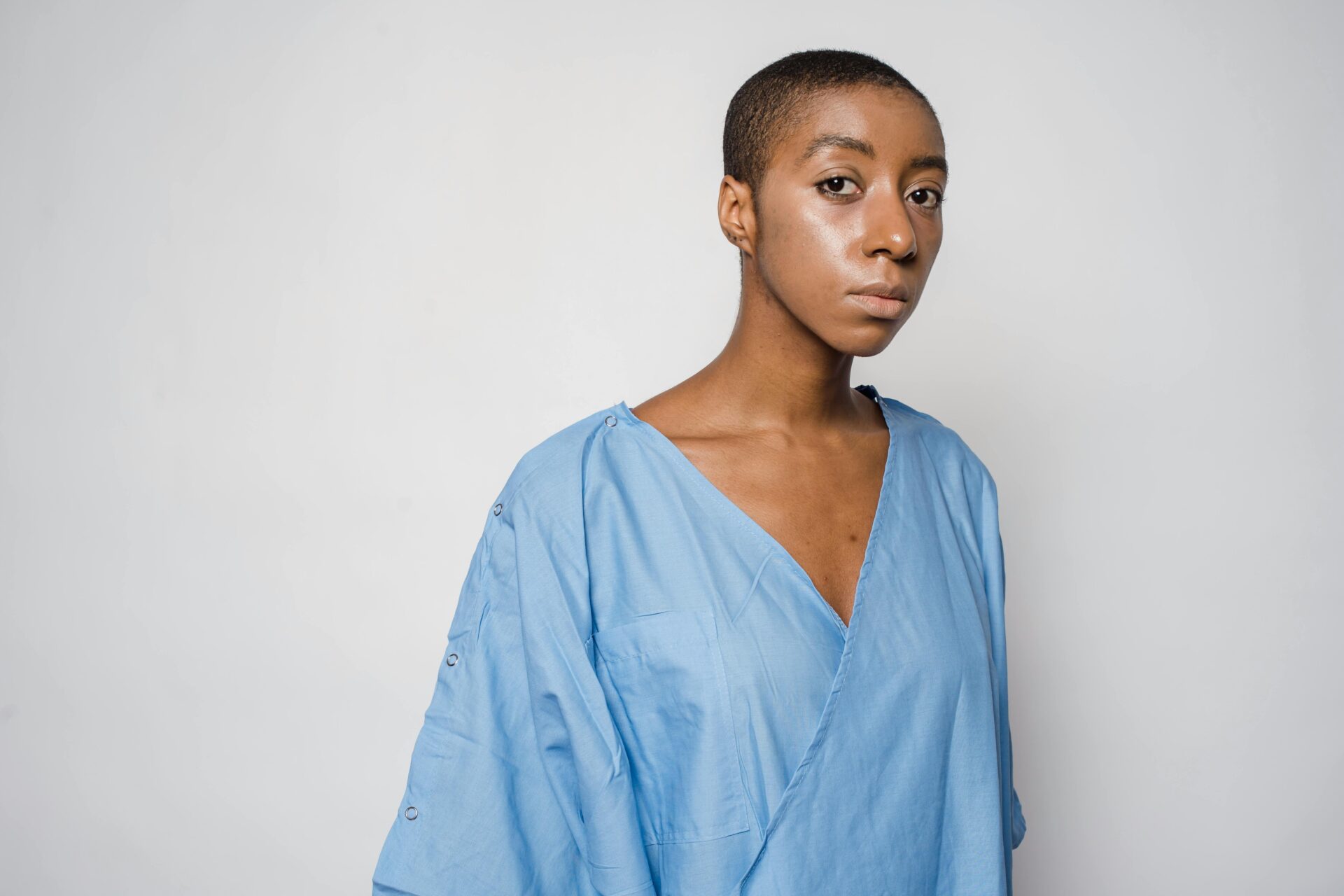
More research is proving the growing evidence that Black women face more disparities in breast cancer treatment.
A new study found the disparities and delays Black women face in early-stage breast cancer treatment.
Research published on Thursday, Oct. 24, in the Journal of the American Medical Association Network Openfound that older Black women in the United States are less likely to receive standard breast cancer treatments and experience longer delays in starting therapy compared to white women. The study analyzed data from more than 258,000 women aged 65 and older with early-stage breast cancer, revealing that approximately 18% of Black women did not receive guideline-recommended care, compared to 15% of white women.
The disparities faced by Black women seeking cancer treatment are present in other demographic categories outside of age, including cancer stage, insurance coverage, and neighborhood income levels. As a result, Black women have a 26% higher risk of death from all causes compared to white women.
“Non-Hispanic Black race was associated with increased odds of not receiving guideline-concordant care and less timely treatment initiation,” the study states.
The study builds on an analysis of National Cancer Database records from 2010 to 2019, which found that white patients were more than twice as likely as Black patients to begin treatment within 90 days of diagnosis.
“These findings suggest that optimizing timely access and receipt of guideline-concordant care in older adults may represent a modifiable pathway for mitigating racial differences in all-cause mortality among patients with early breast cancer,” researchers from the University of Pennsylvania wrote.
Research indicates that racial disparities persisted even though most Black patients had Medicare coverage, suggesting that insurance alone does not ensure equal access to care. In the study, approximately 79% of Black patients and 84% of white patients were covered by Medicare.
The research provides more proof into a growing body of evidence highlighting persistent racial inequities in cancer care and outcomes. Previous studies have shown that Black women have a 40% higher breast cancer mortality rate compared to white women.
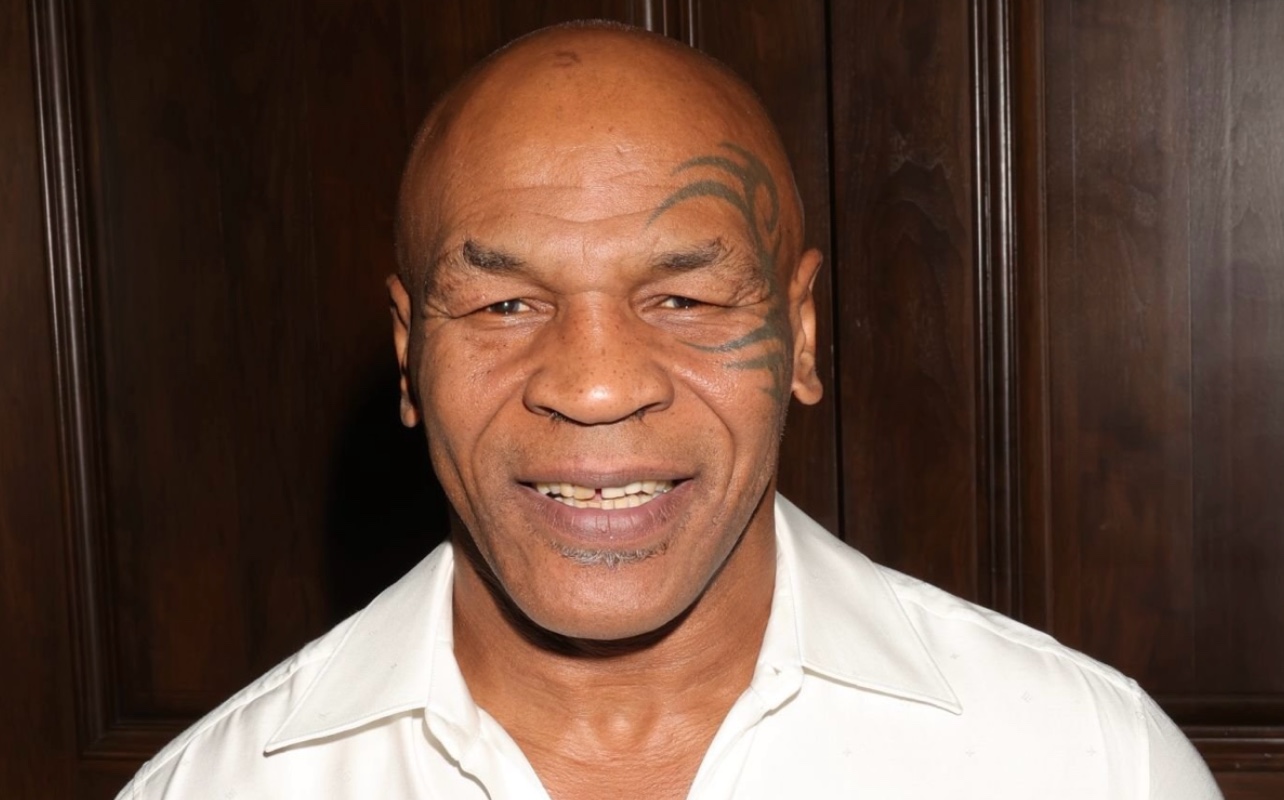
Mike Tyson Invests In First-Of-Its-Kind Plant-Based Fast Food Chain
Mike Tyson announces strategic investment in Mr. Charlie's Told Me So.
Mike Tyson is joining the growing plant-based food industry by making a significant investment in an innovative plant-based quick-service restaurant.
On Oct. 23, Carma HoldCo, the parent company behind the boxing champion’s TYSON 2.0 brand, issued a press release announcing a strategic investment in Mr. Charlie’s Told Me So (TMS), a leading-edge plant-based fast food chain known internationally for its fresh approach to fast food and dedication to offering second chances to those in need.
With backing from Tyson, Mr. Charlie’s TMS will go full throttle into expansion plans with new locations throughout the U.S. and overseas. This will add to its current roster of locations in Los Angeles, San Francisco, and Sydney, Australia. Alongside its commitment to sustainability and global expansion, Mr. Charlie’s TMS prioritizes giving second-chance employment opportunities to those from underserved backgrounds, including individuals recovering from addiction or homelessness.
This investment aligned perfectly with Tyson, who embraced veganism at various points in his boxing career and personal life. It also aligns with his passion for helping those in need and reflects his resilience and transformation, both personally and in his brand.
“Mr. Charlie’s is a natural choice for Carma Holdco as we diversify into the food industry. I very much believe in the healthy benefits of a vegan diet and was a strict vegan for many years,” Tyson said of the partnership.
“I’m proud to align myself with partners bringing healthy alternatives that taste good to the fast food space. Mr. Charlie’s mission to help and hire those from the homeless community is something that I am truly passionate about, and I look forward to helping many people and communities with the expansion of Mr. Charlie’s across the globe.”
Tyson joins at a pivotal time as Mr. Charlie’s TMS begins to scale rapidly worldwide, thanks to strategic partnerships with data-driven platforms like Uber Eats and Postmates. These collaborations enable the company to identify optimal locations for franchise expansion by leveraging comprehensive market data, resulting in quicker rollouts and more effective local market penetration.
“This isn’t just an investment in a plant-based food concept—it’s a smart business decision,” Adam Wilks, CEO of Carma HoldCo, said.
“The QSR space is ripe for innovation, and Mr. Charlie’s combination of bold brand identity, crave-worthy menu, and scalable business model makes it a compelling opportunity for franchisees. We’re excited to help bring this innovative brand to more markets.”
The global expansion brings franchise opportunities to entrepreneurial leaders. Mr. Charlie’s TMS aims to provide franchise options in various new U.S. and international markets, allowing prospective franchisees to join the plant-based revolution with a company that prioritizes purpose over profits. Interested franchisees can email franchising@mrcharlies.co.
The Colemans of Fairfield received a letter from insurance company Liberty Mutual announcing their home was no longer covered, starting Sept. 5, after 20 years due to the “condition of the property.” The couple was accused of hosting algae, mold/moss, and mildew, which “negatively impacts” the property. Corresponding with the letter, the company issued a satellite picture, confusing their solar panels for these growths. “I wasn’t sure from the picture they sent what specific area they were talking about,” Janice Coleman said.
“For customers of 20 years, this is a really bad way to be treated.”
Coleman’s husband, Anthony, thinks companies use strange tactics to save money. “I feel they made a decision based on technology just to reduce their portfolio and to offload our property as they are doing with thousands of others in the state of California,” he said.
An investigation by the San Francisco Chronicle revealed over 100,000 Californians were dropped by 10 of the largest home insurers between 2019 and 2024. According to CBS News, a woman named Joan Van Kuren had her insurance canceled by CSAA over debris found in her yard during a home remodeling project. “They said they flew a drone over the home,” Van Kuren said. The satellite photo sent to her showed an old planter filled with dirt — in the process of getting some rocks — and some old trees.
Homeowners who go through instances like these do have options. Karl Susman, an insurance broker with close to 30 years of experience, feels insurers should allow their customers to fix the problem and argue for their case if a mistake was made. He also admitted that companies are running scared and finding reasons to drop their clients due to a lack of ROI or return on investment.
“They don’t want to get slammed by the Department of Insurance,” Susman said.
“And believe me, they will if they’re not renewing you for a reason that doesn’t exist.”
In 2018, a state law was passed that put a one-year moratorium on companies that canceled the home insurance policies of customers affected by wildfires. Advocates and lawmakers at both the state and federal levels are pushing for regulations that give insurance customers at least 60 days to fix specific issues that an insurer may have with customer property.
After being dropped by Liberty Mutual, which, in a statement, said it doesn’t “publicly discuss the details of an individual underwriting decision,” the Colemans found coverage with a competitor but at a higher cost.
However, before, the couple hired a roofer to prove the stability of their roof, but Liberty Mutual decided not to reverse its decision.
Over 2.7M Georgia Residents Have Utilized Early Voting
Nationally, only 21% of voters have utilized early voting, which tracks, as most Americans typically wait until Election Day, Nov. 5, to cast their ballots.
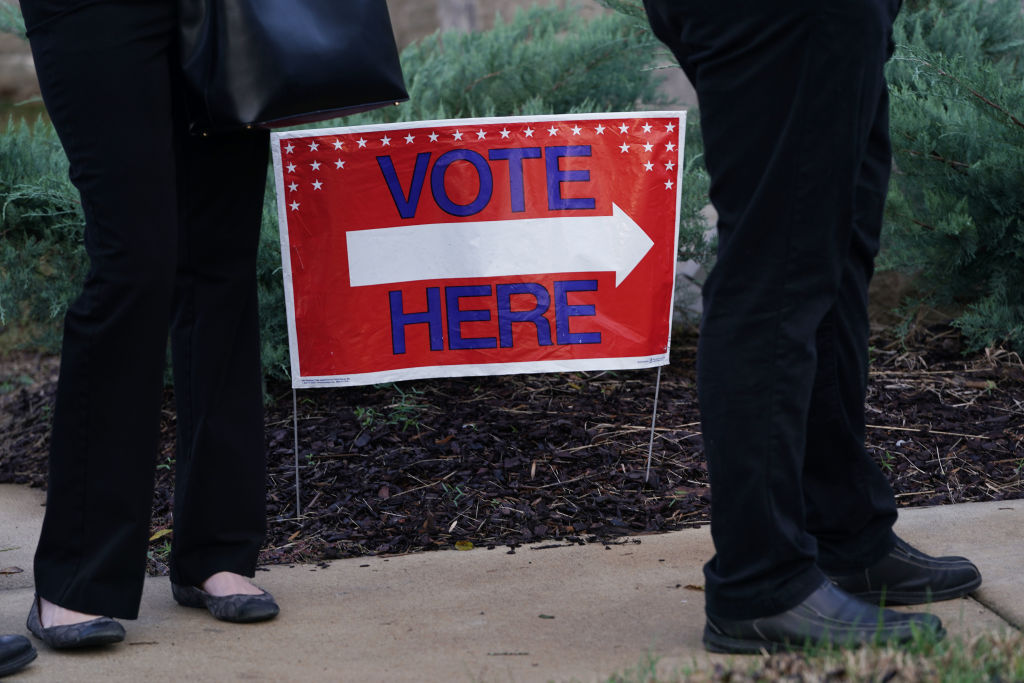
Over 2.7 million Georgia residents have made their voices heard during early voting as of Oct. 26. The early voting period, which runs through Nov. 1, has seen approximately one-third of Georgia’s active voters cast their ballots, according to the Secretary of State’s office.
According to 11 Alive, Black voters are responsible for 34% of that total, comprising 704,561 votes, behind the 1,616,565 white voters, who make up 45% of the total voters. That figure for Black voters, however, represents a lower turnout than in the 2020 election, when 32% turned out at this point last election.
In keeping with political scientists’ predictions, women have outperformed men so far, making up 55.7% of voters compared to 44.1% for men.
Although older voters lead the way, there has been a slight increase in the turnout rate of the 18-24 age bracket. In 2022, a mid-term election year, Georgia had a 26% youth voter turnout, which has nearly been matched as of Oct. 28, coming in at 22.3%.
Per the Secretary of State’s office, there have been few reported instances of long lines at polling places, although some people reported waiting more than 30 minutes at some of the more popular locations in the state.
According to CNN, in 2020, Democrats enjoyed a wide margin over Republicans in 2020’s early voting period, but that could shift this election.
According to The New York Times, the five states with the highest percentage of ballots cast during early voting are North Carolina (42%), South Dakota (42%), Georgia (40%), Vermont (35%), and Florida (34%). Nationally, only 21% of voters have utilized early voting, which tracks, as most Americans typically wait until Election Day, Nov. 5, to cast their ballots.
The Times also noted that during the 2020 election, it was easier to cast a vote because of the pandemic, which may have contributed to the increased support for President Joe Biden.
However, restrictive voting laws passed by several Republican states, including Georgia, have stripped away that expanded participation.
According to Vox, early voting numbers are not necessarily valid predictors of what will happen on Election Day, particularly in a race where many polls have made it clear that no candidate has a decided advantage over the other.
“Honestly, I am worried that Donald Trump may do this time what he did the last time, and that is to challenge the legitimacy of an election whose outcome he does not like. The peaceful transfer of power is a hallmark of the American system of government. Never before have we seen the losing presidential candidate behave as Donald Trump did,” Warnock said.
He continued, “And right now, on the ground in Georgia, we witnessed over the last few weeks a state board of elections trying to set the table, as it were, for not certifying an election if they don’t like the results. Gladly, the courts have rejected their efforts. They then appealed. The courts rejected it again. But the spirit of that is in the air in Georgia, Pennsylvania, all over the country. And so we will have to remain vigilant.”
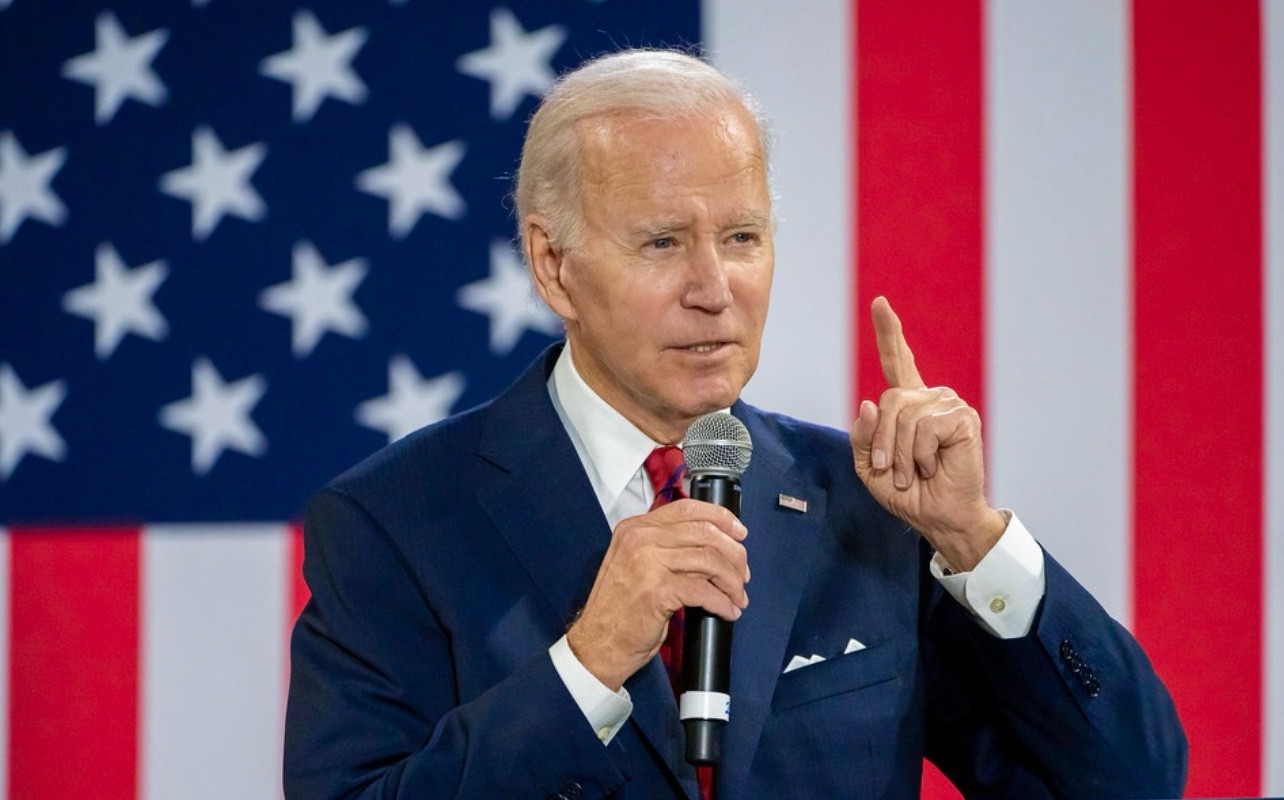
Biden voted on Oct. 28 not far from his home in Wilmington, DE, where voters lined the street. While in line, he chatted with concerned citizens and supporters, including an elderly Black woman in a wheelchair.
Unaware that the hands-on her chair were those of the President of the United States, the senior citizen shared a sweet moment as Biden took the time to greet her properly. The women looked to be pleasantly surprised as the president shared some words.
The touching moment grabbed the attention of social media users, once calling Biden “the greatest President of my lifetime.” Meanwhile, @dtheavenger on X said, “I would be bawling my eyes out.”
Other users took the time to highlight that GOP presidential nominee Donald Trump would never be caught in this type of sentimental situation with another elderly voter. “Trump would make fun of her disability. Joe honors and assists her,” @betseydbell said.
Trump would make fun of her disability. Joe honors and assists her.
After handing his form to the election worker and announcing, “Joseph Biden now voting,” poll workers highlighted some first-time voters in the room as cheers erupted. Casting his vote may have been a bittersweet moment for the soon-to-be 82-year-old, who, since 1970, has either been running for office or held office during the election cycle.
During the 2024 campaign season, Biden announced he wasn’t running for a second term and endorsed Vice President Kamala Harris.
When voters outside the polling place asked Biden if he thinks Democrats have a good shot at winning, he said, “I think we will.”
Outside of Harris being the first woman and first person of Black-South Asian descent to serve in the Oval Office, if she wins, there is a new generation of Democrats on the ballot that Biden is excited about supporting. Biden family friend, Sarah McBride, hopes to be elected as the first openly transgender member of the U.S. House. If she wins, she will succeed Rep. Lisa Blunt Rochester, who is on the ballot to be the state’s first Black woman to serve in the U.S. Senate.
Kamala Harris Urges City Of Brotherly Love Voters To Fight Hate During Campaign Stop
Spread love, not hate!
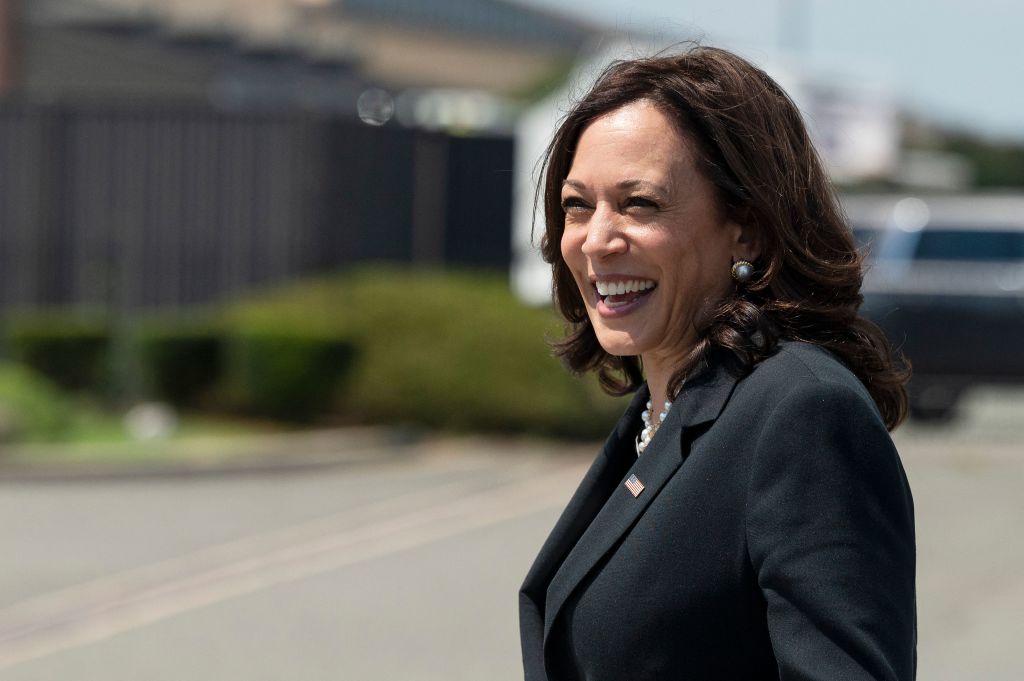
While Donald Trump was leading a hate-speech-filled rally in New York City on Oct. 27, Vice President Kamala Harris chose Philadelphia, known as the City of Brotherly Love, to spread love for voter support, Fox 29 reports.
Harris used her time to campaign at some of Philly’s hot spots, including the Church of Christian Compassion, Philly Cuts Barbershop, Freddy and Tony’s Restaurant, which specializes in Spanish cuisine, and The Alan Horwitz “Sixth Man” Center, a youth recreation center.
Her message was clear when talking to voters in the largest city in Pennsylvania, a critical battleground state.
“No one can sit on the sidelines. We are focused on the future, and we are focused on the needs of the American people,” Harris said. “Philadelphia is a very important part of our path to victory. It’s the reason I have been spending time here. But I’m feeling very optimistic about the enthusiasm.”
Each stop featured a new important issue for American voters. While speaking with Black men about how to improve racial representation in the education system at Philly Cuts, she admitted that teachers aren’t paid enough and the rise of student debt is real. Prior to that, she spoke before the Black congregation at Christian Compassion and used the story of the Apostle Paul, who overcame challenges to spread the word of Jesus, to touch on the need to overcome the amount of hate growing in the United States and push love.
“In hard times when we may grow weary in doing good, we must remember the power that works within us, the divine power that transformed Paul’s life, guided him through shipwreck, and sustained him through trials,” Harris said.
While comedian Tony Hinchcliffe attacked the Hispanic community and called the U.S. territory of Puerto Rico a “floating pile of garbage” at Trump’s rally, Harris spoke with supporters, including an unidentified Puerto Rican assistant district attorney at Freddy and Tony’s.
While they insult Latinos and Puerto Rico at the Trump Rally in NY, here is Kamala Harris talking with a young Puerto Rican Asst. District Attorney in Philadelphia about service and community.
She ended her time in Philly at a fan-filled rally. Harris had a number of famous supporters in the city including actors and Marvel superheroes Don Cheadle and Mark Ruffalo, who handed out Harris-Walz swag. Actor Robert De Niro also spoke, calling Trump a “piece of sh*t.”
With less than 10 days until Election Day, Harris and running mate, Minnesota Gov. Tim Walz, are hitting the campaign trail hard to secure voter support.
According to WHYY, while Harris was covering Philadelphia, Walz visited Las Vegas, with plans to stop in Manitowoc and Waukesha, Wisconsin, on Oct. 28. The next day, Harris is scheduled to return to Washington, D.C. for what her team calls her “closing argument,” giving a speech from the Ellipse, the grassy space close to the White House where Trump spoke before an angry mob on Jan. 6, 2021.
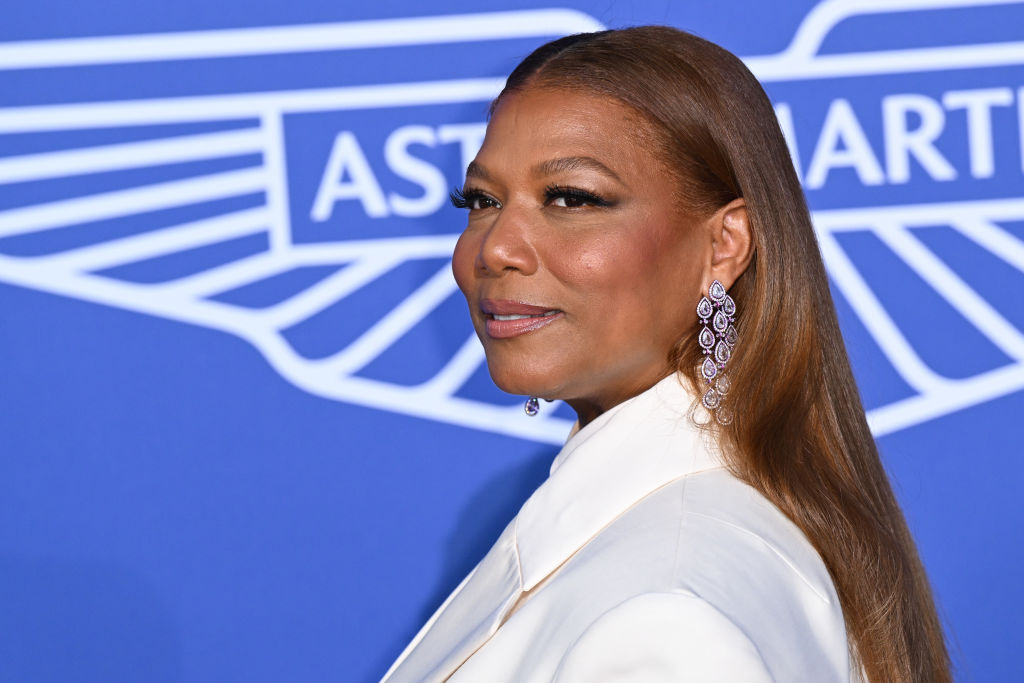
The retailer took to Instagram on Oct. 24 to announce the decorated music and screen star as its newest face.
“Introducing American Icon @queenlatifah for Good American. Queen is a true trailblazer who has redefined the entertainment industry, breaking boundaries in music, film, and television,” the company wrote.
Captured by renowned photographer Cass Bird and styled by Julia Sarr-Jamois, the campaign features Queen Latifah in a fall-inspired look reminiscent of her iconic ’90s “Living Single” style with comfortably sized blazers and denim that she sports with a modern twist.
“What makes an icon? Being so good at being who you are that people say, ‘Damn, who is that?” Latifah says in the video campaign shared on Instagram.
“I stand for women. I stand for my beautiful Blackness. I stand for humanity,” she continued.
Queen Latifah was the ideal choice for the campaign, which honors trailblazing women who have defied convention to make a lasting impact and open doors for women everywhere, as noted by ABC News. The new icon collection, which includes sizing from XXS through 5XL, is priced from $59 for T-shirts to $269 for faux leather trenches.
“American Icon Queen Latifah is a trailblazer who has redefined entertainment — breaking boundaries in music, film, and TV,” Good American said in a statement. “With Grammy wins, an Academy Award nomination, and a star on the Hollywood Walk of Fame, her legacy of strength and empowerment inspires all to embrace their individuality. We’re honored to spotlight her as a true embodiment of what it means to be an icon.”
The new campaign follows Queen Latifah’s announcement of the biopic she’s producing with her Flavor Unit Entertainment partner Shakim Compere, in partnership with Will Smith’s Westbrook Studios and Jesse Collins Entertainment. The venture highlights the significance of hip-hop and how it helped to launch their careers.
“We all came into this industry together, and Hip Hop has shaped each and every one of us,” Latifah and Compere said in a statement announcing the project and the partnership with their longtime friend Will Smith.
“Hip Hop’s impact has expanded beyond just music and has created a lasting impression on culture and society overall. It is a dream to be able to collaborate with friends and colleagues that have not only a shared understanding but are able to tell these stories that were the backdrop of our lives.”
The latest addition to her trailblazing portfolio includes receiving the 2023 National Medal of Arts award from President Joe Biden last week. During a private ceremony at the White House, Queen Latifah was one of nine recipients, becoming the second rapper, after Missy Elliot, to receive the high honor.
Missy and Queen received their awards together as the pandemic delayed the 2022 recipients from receiving theirs in a ceremony until this year.
“And a BiG CONGRATS to my sis @IAMQUEENLATIFAH, who deserve all the bouquets she also was honored today!” Missy tweeted. “Thank you for kicking down doors QUEEN for me & those after you🙏🏾🫶🏾”
New York Mayor Eric Adams Says Donald Trump Isn’t A Fascist
As concerns over Trump's fitness to be president mount, the beleaguered mayor stayed non-committal.
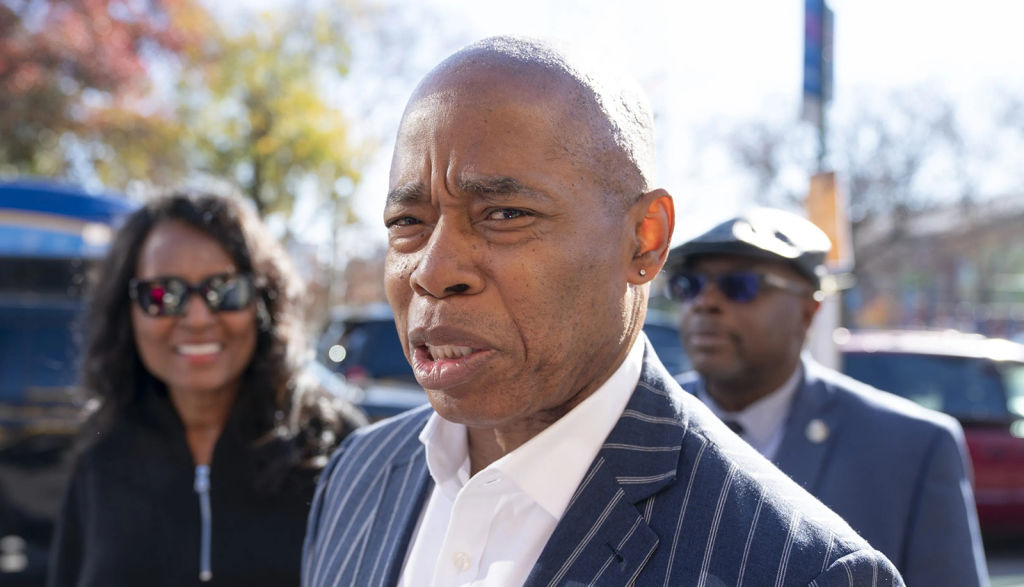
Embattled New York City Mayor Eric Adams, a Democrat, said ahead of former President Donald Trump’s rally at Madison Square Garden that he doesn’t believe Trump is a fascist.
According to Politico, on Oct. 26, Adams told reporters gathered at a press conference at the New York Police Department headquarters that he believes comparisons to Nazi leader Adolph Hitler are overblown. When asked if he believes, as does Vice President Kamala Harris and Trump’s former Chief of Staff John Kelly, that the former president is a fascist, Adams replied, “My answer is no, I know what Hitler has done, and I know what a fascist regime looks like.”
“But in the nine years that he has been running for or serving as president, Mr. Trump has regularly evoked the language, history, and motifs of fascism without hesitation or evident concern about how it would make him look,” political reporter Peter Baker wrote.
The Times added that “no American commander in chief over the past couple of centuries has so aggressively sought to discredit the institutions of democracy at home while so openly embracing and envying dictators abroad.” Additionally, no president “has been publicly accused of fascism by his own handpicked top adviser who spent day after day with him in the Oval Office.”
According to Politico, some of Adams’ reticence to criticize Trump is because Adams is courting his support amid floundering support stemming from a federal investigation into allegations of bribery and corruption.
A New York Times/Siena poll currently shows Adams polling behind both former New York Governor Andrew Cuomo and New York Attorney General Leticia James among likely Democratic voters.
In addition, Adams is more popular with Republican voters, who are more likely to say that he has done nothing wrong. Democratic voters including Black and Latinx voters, once a strong bloc for Adams, have soured on the mayor since his 2021 victory.
The only presumed candidate in the race for mayor to comment on the poll was Jessica Ramos.
“New Yorkers lost faith in Eric Adams before the Southern District confirmed his corruption,” she told Politico. “It’s telling that he declined to show up to the first forum in the Bronx to defend his record and share his vision. He has the polling to show that working New Yorkers who depended on him have had enough.”
Written By Kevin Moore, founder and managing partner at Serac Ventures, and Darrel Frater, senior associate at Serac Ventures
As Black VCs, we have a lot of conversations with underrepresented founders and founders who lack traditional inroads into the venture capital industry. In recent conversations, one trend continues to emerge: fundraising is more challenging than ever, starting at the top of the funnel with Limited Partners (LPs).
Why has it become even harder for underrepresented founders? Why are they continuing to be overlooked by VCs? And why aren’t VCs able to get the money they need to fund diverse founders?
Although the funding process has always been difficult for women founders and POC-led teams, there was once a glimmer of hope of addressing the issue. After George Floyd’s murder in 2020, VC firms across the United States pledged to face the diversity problem, with many implementing DEI programs and leadership within their companies. However, only a couple of years later, in 2022, only 1% of VC funding went to Black founders, signaling that those promises were short-lived. Here are the five reasons VCs overlook underrepresented founders and how founders, VCs, and LPs can combat them.
They Can’t Relate
Investors spend less time on underrepresented founders’ product slides, 45% less time than teams without minority members. Diverse founders are creating products that white-male VCs don’t necessarily understand or maybe don’t feel connected to. In this macroeconomic climate, VCs are playing it even safer and will not invest in something that doesn’t immediately resonate as a solution to an existing problem with a market to back it. If the problem itself doesn’t evoke empathy, it will be hard to connect with the solution.
While it may seem simple, it’s important to find investors who will relate to the product you’re building. Look at their past investments and interests that align with your product idea. This will help narrow down a list of people most interested in hearing about your product, making the funding process more efficient for both sides.
Structural Barriers
In society writ large, BIPOC and women face general structural barriers to success. When something has been done a certain way for a long time, progress takes time.
Continued conversations and attention to structural barriers within VC can help move the needle forward. We need to have conversations on diversifying teams and why it is important to fund underrepresented founders.
California is the first state to bring attention to discrimination in VC. In October 2023, California passed a bill (SB54) that will require VC firms to report on their number of investments in diverse founders. Going into action in March 2025, VC firms will have to annually survey the companies in their portfolio for demographics, including race, ethnicity, disability status, and gender identity. The data will be put into a public database for any interested parties to see.
General network effects
Because of the structure of VCs, there are general network effects that add to the strain of structural barriers. VCs typically invest in their networks and if you have a network that isn’t diverse, it perpetuates bias. The reverse is true as well, where underrepresented founders don’t necessarily have investors and other important stakeholders in their networks.
Networking does not have to be transactional—think of it as building a community. It’s important to build relationships with allies and diversify your network. Attend industry events and conferences to engage with VC leaders and expand your professional circle. Even though an investor or founder may not be the right fit for your business right now, there’s no reason things can’t change in the future. No fund or organization alone can fill the gap; we need to collaborate to create real change.
Pattern Matching
Ultimately, VCs learn from decisions made throughout their careers, leveraging experience to help make business decisions.
Now that we’re no longer in the booming market, many pre-pandemic investor habits are cropping back up, including “pattern matching.” Even though VC is an outlier business, VCs look for certain founder profiles, backgrounds, and heuristics that justify success, often mimicking old patterns that are difficult to change. Investors spend more time on historically underrepresented founders’ team slides, an average of 42 seconds — but why? Investors are much quicker to say yes to a founder with a Stanford, Harvard, or MIT background, the three top schools for funded founders.
Be deliberate in pitch deck presentations to specific investors. Do your research and make sure the investors you’re engaging with align with you and your company — know their portfolio, beliefs, etc. Investors should also be aware of their pattern matching and how it can limit diversity and investment opportunities for their funds, limiting chances to outperform peers.
For underrepresented founders looking for capital, build a strong business that solves a key pain point to attract talent and capital. Think big. Very talented founders tend to be trapped in their small ecosystem. Think creatively, be disruptive, be resourceful. Be able to build with what is at your disposal.
Addressing the Root
The fundraising problem starts at the top of the funnel, with LPs with a lot of institutional money. Some want to invest in diverse, emerging managers, but their minimum check size is so large that they are often relegated to using intermediaries.
In recent years, there has been an exponential increase in the number of emerging managers targeting diverse founders, but the capital bottleneck prevents money from reaching them. One of the problems is that the intermediaries who are hired to allocate to emerging managers use the same due diligence framework to assess emerging managers as they do established managers. No one should ever lower their due diligence standards, but they can adjust them to consider aspects that contribute to that manager’s long-term success.
If emerging managers who have a stated mandate to back diverse founders are unable to raise institutional capital because of capital bottlenecks, this has a significant negative effect on the underrepresented founders they want to back.
Solving the funding gap for underrepresented founders is a complex problem. Some may argue that it’s a lot easier for newer, emerging VC firms to establish from the onset a strategy to include underrepresented founders than it is for older, established firms. Herein lies the irony. While it’s easier for newer firms to have a more inclusive investment mandate, they don’t have the resources or influence to change the funding gap challenges the VC industry faces today.