access, Therapist, Mental Health, therapy

Access Is More Than Availability in Mental Healthcare

Access often begins long before the first session.


By Christin Grice


Access Is More Than Availability

For many Black clients, access to therapy is not simply about whether providers exist. It is about whether care feels culturally safe, affirming, and emotionally accessible once they enter the room.

Access often begins long before the first session. Many Black clients begin therapy already anticipating that they may need to translate their experiences, assess whether they will truly be understood, or determine whether their therapist can engage their lived reality without distortion. That anticipation shapes engagement before therapy even begins.

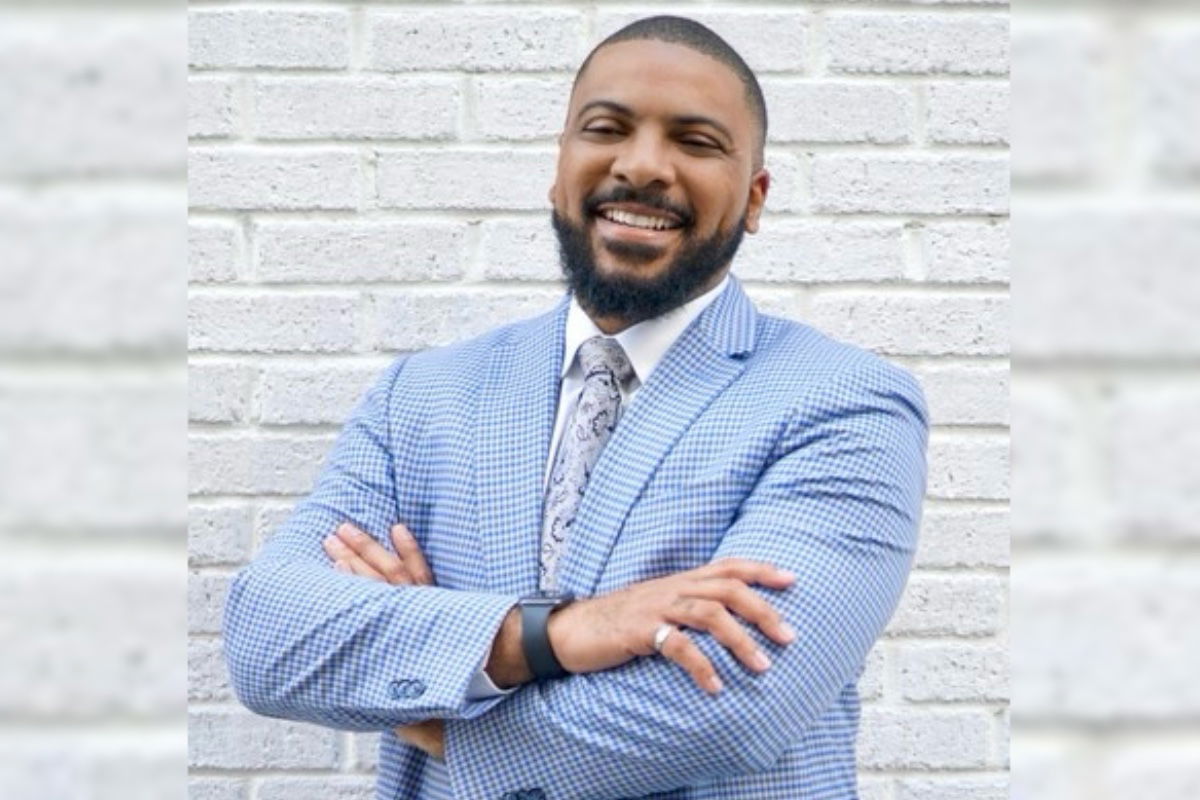
As a Black male Licensed Marriage and Family Therapist (LMFT) and sex therapist, I see how these dynamics shape not only access, but what clients believe is realistically available in therapy.

Representation and the Ongoing Shortage

In recent years, the number of Black therapists has increased; however, disparities in access and representation remain.

During my graduate training in 2010, I was the only Black male in my cohort, and there was only one Black female student in the program. That experience reflected how underrepresentation is not only a workforce issue, but something embedded in training environments themselves.

When Scarcity Enters the Therapy Room

In 2019, while working in a hospital-based setting, I met with a Black female client whose experience made this gap immediately visible in the clinical space. What began as a session focused on presenting concerns shifted when she began discussing the process of finding a therapist. She described how long it had taken her to locate a Black male therapist, and how that search had already shaped how she entered care. In real time, scarcity became part of the therapeutic experience itself.

The effort required to find a Black male therapist and/or culturally responsive care had already influenced her trust, expectations, and emotional readiness. This was not abstract. It was something she carried into the room. When representation is limited, access is not only logistical. It becomes psychological.

In recent years, clients in my private practice have described having to “shop around” extensively to find the right therapeutic fit. For many, that search includes not only finding a Black therapist, but also someone who is sex-positive and/or kink-affirming. These overlapping needs significantly narrow the pool of available providers and make access itself emotionally demanding.

The Growing Demand for Black Therapists

The demand for Black therapists has grown significantly in recent years as conversations around mental health have become more visible and normalized within Black communities, particularly following 2020, when racial trauma, grief, and burnout were widely discussed in public discourse. Social media has also helped destigmatize therapy, with Black mental health professionals using TikTok, Instagram, and YouTube to normalize conversations around healing, anxiety, boundaries, and emotional wellness.

At the same time, conversations around culturally responsive care and the need to decenter whiteness in how therapeutic models define emotional experience have become more visible online. As a result, more clients are actively seeking Black therapists and/or culturally competent providers.

Access Is Not Neutral

Improving mental healthcare for Black clients requires more than increasing the number of available providers. It requires expanding how access itself is understood. For many clients, the concern is not only whether a therapist is qualified, but whether their lived reality will be interpreted accurately.

Even as more Black therapists enter the field, clients continue to navigate a limited and highly specific search for care that fits their cultural and relational needs. These gaps appear in training environments, private practice searches, and the therapy room itself. Ultimately, access is not just about entering therapy. It is about whether clients can enter spaces where they do not have to shrink, translate, or brace themselves to be understood.

Accounting for Cultural Realities

Until mental health systems fully account for the cultural realities clients bring into the room, access will remain incomplete even when services exist on paper. Representation matters not only because it increases visibility, but because it shapes what clients believe is possible in the therapeutic space before a single word is spoken. Without that shift, many Black clients will continue to carry additional emotional labor just to begin care.

The question is not simply how many therapists are available, but whether therapy itself can hold the full reality of the people it is meant to serve.


Author Bio:
Christin Grice is a Licensed Marriage and Family Therapist and sex therapist with over 15 years of clinical experience in private practice. His clinical practice focuses on men’s mental health, particularly men of color, with a specialization in sex-positive, affirming care in relational and emotional functioning. He is also a freelance writer examining themes of sexuality, intimacy, and human connection through narrative storytelling.

RELATED CONTENT: 7 Mental Health Resources For Black Professionals

Keisha Lance Bottoms, gubernatorial candidate, Atlanta mayor

Keisha Lance Bottoms Wins Georgia Primary, Becomes Democratic Nominee For Governor 

The former Atlanta mayor is on track to become the first Black woman elected governor


Former Atlanta Mayor Keisha Lance Bottoms wins the Georgia primary election, becoming the Democratic candidate to run for the gubernatorial seat in November, NBC News reported. If Lance Bottoms wins the general election, she will become the first Black woman elected as a U.S. governor. 

Lance Bottoms won by a stretch. Of the total 1,079,721 votes reported, Lance Bottoms earned 606,983—securing over 56% of the vote, according to The New York Times

The 60th mayor of Atlanta beat out six other hopeful contenders: Jason Esteves, former Georgia state senator; Michael Thurmond, former CEO of DeKalb County; Geoff Duncan, former Republican lieutenant governor, who surprised constituents after switching parties; Derrick Jackson, Georgia state representative; Amanda Duffy, a self-described “working-class mother”; and the founder of Atlanta’s Impact Church, Olu Brown. It has not yet been determined who Lance Bottoms’ opponent will be in the general election, as the Republican primary will go to a runoff between Georgia Lt. Gov. Burt Jones and Rick Jackson, a billionaire healthcare executive. 

As Lance Bottoms approached the podium to give her election night speech, she was greeted by a room of ecstatic campaign supporters, who cheered “KLB,” the acronym of her name. She thanked them for their support, talked about faith, and shared her plight from campaigning to candidacy.

“I am humbled to be your Democratic nominee for governor of this race,” Lance Bottoms told the crowd. 

“Together, with all of you, we have shown what happens when the people of Georgia show up and believe that their votes are our voice, and that our voices will never be silent. I am reminded that the grace of God is sufficient.”

Lance Bottoms continued: “When we launched this campaign, I had no idea where the support and resources would come from. But I repeatedly said, God does not give vision without provision. And that provision has been through each of you who voted, who volunteered, who donated, and prayed for our campaign. I am grateful; your support means more than you know. My faith is often my God, and has often given me clarity during some of the most challenging times in my life. I relied on that faith after the last presidential election, when I prayed, and I asked for guidance, what I would be called to do in this season. It is that faith that has led me to offer myself as a candidate for governor of this great state.”

Watch Lance Bottoms’ full acceptance speech below:

RELATED CONTENT: Former Atlanta Mayor Keisha Lance Bottoms Joins CNN as Political Commentator

250 Years Of Black History & Enterprise: On This Day

250 Years Of Black History & Enterprise: On This Day


RELATED CONTENT: The Enduring Fire: Revisiting Malcolm X’s Vision For Black Liberation On What Would Have Been His 101st Birthday

7 Malcolm X Quotes On Black Empowerment

7 Malcolm X Quotes On Black Empowerment

The honorable X was an activist who fought fiercely for Black dignity, equality and justice


El-Hajj Malik El-Shabazz, largely known as Malcolm X, was born Malcolm Little on May 19, 1925. The honorable Malcolm X was an activist who fought fiercely for Black dignity, equality, and justice throughout the civil rights movement until his untimely murder Feb. 21, 1965. It did not matter if he was in a mosque, abroad, on stage, or giving an interview, Malcolm X was crystal clear in his messaging: Black folks deserve their freedom, a right to choose their path, and real economic power. X was a great orator and his raw, honest words about Black empowerment still hit home today. Celebrating his 100th birthday, BLACK ENTERPRISE is sharing seven of Malcolm’s most impactful quotes that inspire Black communities across the diaspora.

1) “Who taught you to hate your own kind?”

Malcolm X fired this question during a 1962 speech in Los Angeles, after William Stokes was killed by LAPD. He was calling out how Black people are programmed to hate themselves through racism. Malcolm wasn’t playing. He challenged Black folks to question who convinced them that they were less than. It’s all about throwing off those mental chains and embracing Blackness and self-love as resistance.

2) “Education is the passport to the future, for tomorrow belongs to those who prepare for it today.”

Malcom X stated this powerful quote during a speech at the Founding Rally of the OAAU, June 28, 1964. Why is it impactful? Malcolm ties education directly to empowerment and freedom. This quote reminds Black people that knowledge is a tool of liberation, not just a credential. It inspires an investment into education for Black youth. 

3) “You can’t separate peace from freedom because no one can be at peace unless he has freedom.”

During a speech in 1965 in New York City, Malcolm X delivered this powerful statement which continues to hit. The quote reveals how people advocate for peace without addressing real oppression. It calls out the hypocrisy of expecting oppressed people to remain silent while their rights continue to be suppressed. According to Malcolm, true peace requires more than silence. True peace emerges from the presence of justice and freedom. The message continues to affect us deeply in the present day.

4) “The most disrespected person in America is the Black woman. The most unprotected person in America is the Black woman. The most neglected person in America is the Black woman.”

While eulogizing William Stokes at his funeral, Malcolm X acknowledged what Black women were dealing with. He was ahead of the curve at placing Black women at the heart of liberation struggles. The quote would go on to become a rallying cry for respect and justice that still hits hard in today’s climate of disparity and discrimination against Black women. 

5) “I’m for truth, no matter who tells it. I’m for justice, no matter who it is for or against.”

This powerful quote is from Malcolm X’s autobiography that was co-written with Alex Haley and published after his death in 1965. It’s not just talk, it shows how Malcolm put principles above being liked. After splitting from the Nation of Islam, he developed a wider, more inclusive worldview based on justice for all. What makes it so inspiring is how it pushes Black folks to embrace truth, even when that truth is uncomfortable.

6) “It is time for the Black Americans to band together and do whatever is necessary to see that we get the type of protection we need.”

Malcolm X revealed this profound truth during What makes this statement so powerful is that it reveals that Black liberation requires both organized resistance and strategic planning. People must fight for it while maintaining strength and demonstrating determination. His words served as a battle cry for movements that refuse to compromise or surrender. Malcolm understood that there are situations where you must demonstrate your power instead of simply making polite requests.

7) “By any means necessary.”

Malcolm X dropped this bomb during his 1964 speech at the Organization of Afro-American Unity. Probably his most famous line ever. Why’s it hit so hard? It’s basically saying: do whatever it takes to get free. No waiting around for permission. It told Black folks they had every right to chase freedom through any channel — political moves, cultural resistance, self-defense, whatever works. Not about sitting back and taking it, it’s about grabbing your own destiny. Raw power in just four words.

RELATED CONTENT: The Enduring Fire: Revisiting Malcolm X’s Vision For Black Liberation On What Would Have Been His 100th Birthday

will.i.am, work-life balance

Will.i.am Trades The Stage For The AI Classroom

The 51-year-old musician, whose real name is William Adams, began teaching "The Agentic Self" earlier this year.


Grammy-winning artist and tech entrepreneur Will.i.am is entering higher education by offering lessons on artificial intelligence (AI) at Arizona State University with a new course focused on AI-driven digital assistants.

The 51-year-old musician, whose real name is William Adams, began teaching “The Agentic Self” earlier this year. This 16-week class aims to help students understand and create AI agents that can handle tasks on their own. The course blends technology, creativity, and entrepreneurship, reflecting Adams’ long-term involvement in the tech industry beyond music.

“Agentic is the next step, where the agent is able to do tasks and workflows on your behalf. You set it on its course, and it would reason, research, browse, generate — all autonomously,” Will.i.am shared with Arizona State University.

According to The Wall Street Journal, Adams felt nervous before teaching the course, despite his years of performing for large audiences. He took inspiration from the structure of “Where Is the Love?” to help organize his lectures. The focus was on identifying problems, discussing solutions, and promoting reflection.

Students in the class join remotely and in person from Los Angeles and Arizona. They hear from guest speakers from major tech companies, including OpenAI and NVIDIA. Adams encourages students to welcome rapid changes in technology and see AI as a means of personal empowerment, rather than something to fear.

Adams’ connection to technology goes back over two decades. BE covered the rapper’s early investment in Tesla and OpenAI, having previously worked with Intel as director of creative innovation, and has regularly appeared at major tech conferences around the world.

Outside the classroom, Adams is expanding his technology projects. Earlier this year, BE also reported that Adams introduced an AI-powered three-wheeled electric vehicle called Trinity and is reportedly developing additional projects in artificial intelligence and consumer technology.

RELATED CONTENT: RZA Says AI Is Transforming His Creative Process In Film and Music

union, UWA, auto workers, Black History Month 2025

White-Collar Hiring Slows As AI And Infrastructure Fuel Trade Jobs Surge

Employers across multiple sectors are slowing hiring for entry-level office and tech positions while increasing recruitment for electricians


The U.S. labor market shows a sharp split between declining white-collar hiring and rising demand for skilled trade workers as artificial intelligence reshapes how companies recruit, according to CNBC.

Employers across multiple sectors have slowed hiring for entry-level office and tech positions while having increased recruitment for electricians, technicians, welders, and other trade roles tied to physical infrastructure, data centers, and energy systems.

The shift is unfolding in 2026 as companies adapt to rapid AI adoption, which is automating portions of administrative and analytical work. At the same time, massive investments in data centers, power grids, and advanced manufacturing are driving demand for workers who can build and maintain the physical systems on which AI depends.

Labor economists say the trend reflects a broader restructuring of hiring priorities rather than a simple contraction in the job market. Recent labor data shows overall hiring has slowed significantly compared with the post-pandemic surge, creating what analysts describe as a “low-hire, low-fire” environment in which job seekers face fewer openings and longer search times.

While layoffs in some corporate sectors have been linked to AI-driven efficiency gains, other industries are expanding payrolls to meet infrastructure needs. Skilled trades tied to construction, energy, and technology infrastructure are among the fastest-growing categories, with employers reporting persistent shortages of qualified workers.

Executives in technology and finance have acknowledged that AI is reshaping workforce planning. Some companies are reducing entry-level hiring while reallocating resources toward automation and technical roles, signaling a long-term shift in labor demand patterns.

Economists note that demographic pressures, including an aging workforce and declining labor force participation, are also contributing to shortages in skilled labor pipelines, further tightening the supply of workers in trade occupations.

Analysts expect the divergence between white-collar hiring slowdowns and blue-collar shortages to persist as AI adoption accelerates and infrastructure investment continues across the United States.

RELATED CONTENT: U.S. International Trade Commission Report: People of Color Disproportionately Hurt by Global Trade

Black Entrepreneur , SBA Small Business Person Of The Year, Mississippi, National Small Business Week

Beasley Media, MBBA Unite To Amplify Black-Owned Business In Detroit

The companies stated that the partnership aims to support local entrepreneurs


Beasley Media Group is expanding its community engagement efforts in Detroit through a new partnership with the Michigan Black Business Alliance (MBBA). This partnership aims to support Black-owned businesses and increase economic opportunities in Southeast Michigan.

Announced on May 7, this collaboration will connect Beasley Detroit radio stations 105.9 KISS-FM, 105.1 The Bounce, and Detroit Praise with the nonprofit’s advocacy and business development initiatives. The companies stated that the partnership aims to support local entrepreneurs, connect residents with business resources, and strengthen community-focused programming throughout the region.

As part of this initiative, Beasley Media Group plans to use its radio, digital, and promotional platforms to highlight MBBA programs, feature Black-owned businesses, and create campaigns focused on economic empowerment and community outreach. Executives noted that this effort reflects a broader aim to increase visibility for entrepreneurs and organizations working to address economic gaps in Detroit communities.

Matt Scarano, vice president and market manager for Beasley Media Group Detroit, stated that the partnership is meant to create opportunities and uplift voices within the city. Scarano highlighted community engagement as a key part of the company’s strategy in the area.

“This partnership is about using the strength of our platforms to elevate voices, create opportunity, and support the communities we serve. We’re proud to work alongside the Michigan Black Business Alliance to help shine a light on the incredible work being done across Detroit and to make a lasting impact,” he said.

MBBA CEO Charity Dean noted that the organization hopes this collaboration will help expand its reach and strengthen its mission to promote economic equity for Black-owned businesses.

“We are excited to partner with Beasley Media Group to further our mission of advancing economic equity and supporting Black-owned businesses,” she reflected.

Founded in 2021, the nonprofit works to reduce the racial wealth gap by advocating for policies and programs that support sustainable Black entrepreneurship and access to economic opportunities across the state.

This announcement comes as Detroit engages in broader discussions about fair economic growth and investment in Black business communities. Through this new media partnership, both organizations expressed their hopes to build stronger community connections while showcasing the innovation and resilience of local entrepreneurs.

RELATED CONTENT: Michigan Native Vows To Donate $1M To Non-Profits During ‘Pull Up Season’

Jamaica, Jamaican patois, Parliament

Jamaican Lawmaker Blocked From Delivering Parliamentary Speech In Patois

Opposition MP Nekeisha Burchell was stopped mid-speech after attempting to address Jamaica’s Parliament in Jamaican patois


An effort to bring Jamaican patois into one of the island’s most formal political spaces has ignited debate across Jamaica and the Caribbean diaspora.

According to the Jamaica Observer, Opposition Spokesperson on Creative Industries, Culture and Information, Nekeisha Burchell, was interrupted during her maiden Sectoral Debate presentation in Jamaica’s House of Representatives after opening her remarks in Jamaican patois.

“Madam Speaker, mi git up dis afta noon fi mek mi fuss sectoral speech…” said Burchell on May 13 before House Speaker Juliet Holness, who warned that if she continued using patois, she would lose speaking time. Burchell later resumed her speech in English after making a statement about the cultural implications of the dialect.

“Perhaps I should abandon that attempt to use our local language,” she said, reports the Jamaica Observer. She added that there may be “no more fitting way” to begin a presentation on culture than speaking in the language understood by most Jamaicans, even if it “still struggles for full acceptance” in formal national spaces.

The incident has since triggered backlash and broader conversations about colonialism, classism, and linguistic accessibility in Jamaica. Critics argue that excluding patois from Parliament reinforces class divisions and diminishes a core part of Jamaican identity, while supporters of the rule maintain that standard English remains the country’s official language and is necessary for parliamentary procedure.

Jamaican patois, also known as Jamaican Creole, is widely spoken throughout the island and heavily influences the nation’s music, storytelling, and everyday communication. The incident also revived memories of a similar parliamentary language dispute last year when lawmakers challenged the use of Spanish inside the chamber.

RELATED CONTENT: Nigeria Bans Honorary Degree Recipients From Using ‘Dr.’ Title Amid Fraud Crackdown

Enterprise, EEOC, Equal Employment Opportunity Commission, Age discrimination

EEOC Is Done With Tracking Race And Sex In The Workforce

The U.S. Equal Employment Opportunity Commission is suggesting an end to mandatory demographic reporting.


The Equal Employment Opportunity Commission, the nation’s top workplace civil rights agency (EEOC), is considering a major rollback of diversity data collection requirements that have been in place for decades. Critics say this change in workforce tracking could diminish the federal government’s ability to spot employment discrimination across the United States.

The EEOC is suggesting an end to mandatory demographic reporting. This reporting has required large employers to submit workforce data related to race, sex, and national origin since the civil rights era of the 1960s. The proposal was first reported May 15 by The Washington Post.

If approved, these changes would also remove reporting requirements for apprenticeship programs, labor unions, schools, and state and local governments. Requirements connected to laws protecting pregnant workers and individuals with disabilities could also be reduced.

This proposed shift comes as the Trump administration continues broader efforts to reduce diversity, equity, and inclusion initiatives across the federal government and private sector. Civil rights lawyers and former EEOC officials argue that the reporting system has long been one of the agency’s main tools for finding patterns of discriminatory hiring, pay, and promotion practices.

Civil rights activist Noreen Farrell told MS Now, “First, they dismantled workplace protections. Then they gutted DEI programs. Now, as women abandon careers in record numbers, they want to stop counting. This is what systematic discrimination looks like.”

Employment lawyer Christine Webber told The Washington Post that the rollback would conflict with other recent EEOC investigations where the agency sought demographic information from institutions under federal review. Former agency leaders have also warned that ending data collection might make it much more difficult to prove cases of systemic discrimination in court.

“They know perfectly well that the EEOC needs data like that to do its job of enforcing the antidiscrimination laws. Because if you want to show a pattern of conduct, a pattern of decision-making, data is an essential ingredient.”

The EEOC’s EEO-1 reporting system currently applies to companies with more than 100 employees and certain federal contractors. Supporters of maintaining the database say the information has been vital for tracking workforce inequities and enforcing Title VII protections.

The proposal has not been finalized and is expected to undergo a public review process after notifying the White House. Legal experts have advised employers to continue collecting demographic workforce data while the current anti-discrimination laws remain in effect.

RELATED CONTENT: Underground Railroad Museum Sues Trump Admin, Says Federal Grant Was Axed Due To Race

Olivier Audemars, watch, Audemars Piguet

Meet Olivier Audemars, The Black Executive Shaping The Luxury Watch Industry

The fourth-generation descendant of Audemars Piguet’s founding family is drawing attention as the iconic watchmaker prepares for a highly anticipated collaboration with Swatch


Luxury watches are known for being associated with wealth, exclusivity, and prestige. But amid growing conversations about Black representation in elite industries, one executive is quietly reshaping perceptions of who holds power inside one of the world’s most influential watch brands.

Olivier Audemars, vice chairman of the board of directors for Swiss luxury watchmaker Audemars Piguet, is gaining widespread attention in light of the company’s upcoming collaboration with Swatch. According to CassiusLife, Audemars is not only a top executive at the company but also a descendant of one of the luxury brand’s founders.

Founded in 1875 in Le Brassus, Switzerland, Audemars Piguet is one of the most prestigious names in haute horology, known for high-end timepieces such as the Royal Oak. Today, it is still privately owned by its founders’ descendants. Audemars is the great-grandson of Edward Auguste Piguet, one of the company’s founders. However, his path into the family business was not immediate. According to CassiusLife, Audemars initially pursued a career in materials science and launched his own laboratory before joining the company in 1997. He later became vice chairman of the board in 2014.

His growing visibility comes as Audemars Piguet prepares to partner with Swatch on a new collaboration reportedly tied to “Royal Pop,” which dropped with much anticipation on May 16. The partnership marks a notable culture shift for a brand traditionally associated with scarcity and exclusivity.

For watch enthusiasts and collectors alike, Audemars’ story represents more than luxury. Rather, it highlights the often-overlooked presence of Black leadership in industries historically viewed as inaccessible to people of color.

RELATED CONTENT: As Funding Tightens For Black Businesses, USBC Launches New Accelerator Program

×