Carnegie Hall Set To Host ‘Power Network Summit’ Where Hip-Hop Meets High Finance

Carnegie Hall Set To Host ‘Power Network Summit’ Where Hip-Hop Meets High Finance

The historic event bridges hip-hop culture, artificial intelligence, and blockchain technology


On Friday, June 19, 2026, Carnegie Hall will host its fourth annual Power Network summit as part of the United in Sound: America at 250 festival. Hosted by radio legend Ed Lover, the historic event bridges hip-hop culture, artificial intelligence, and blockchain technology to deliver a blueprint for minority wealth creation.

The Lineup: Golden Era Meets Big Band Jazz

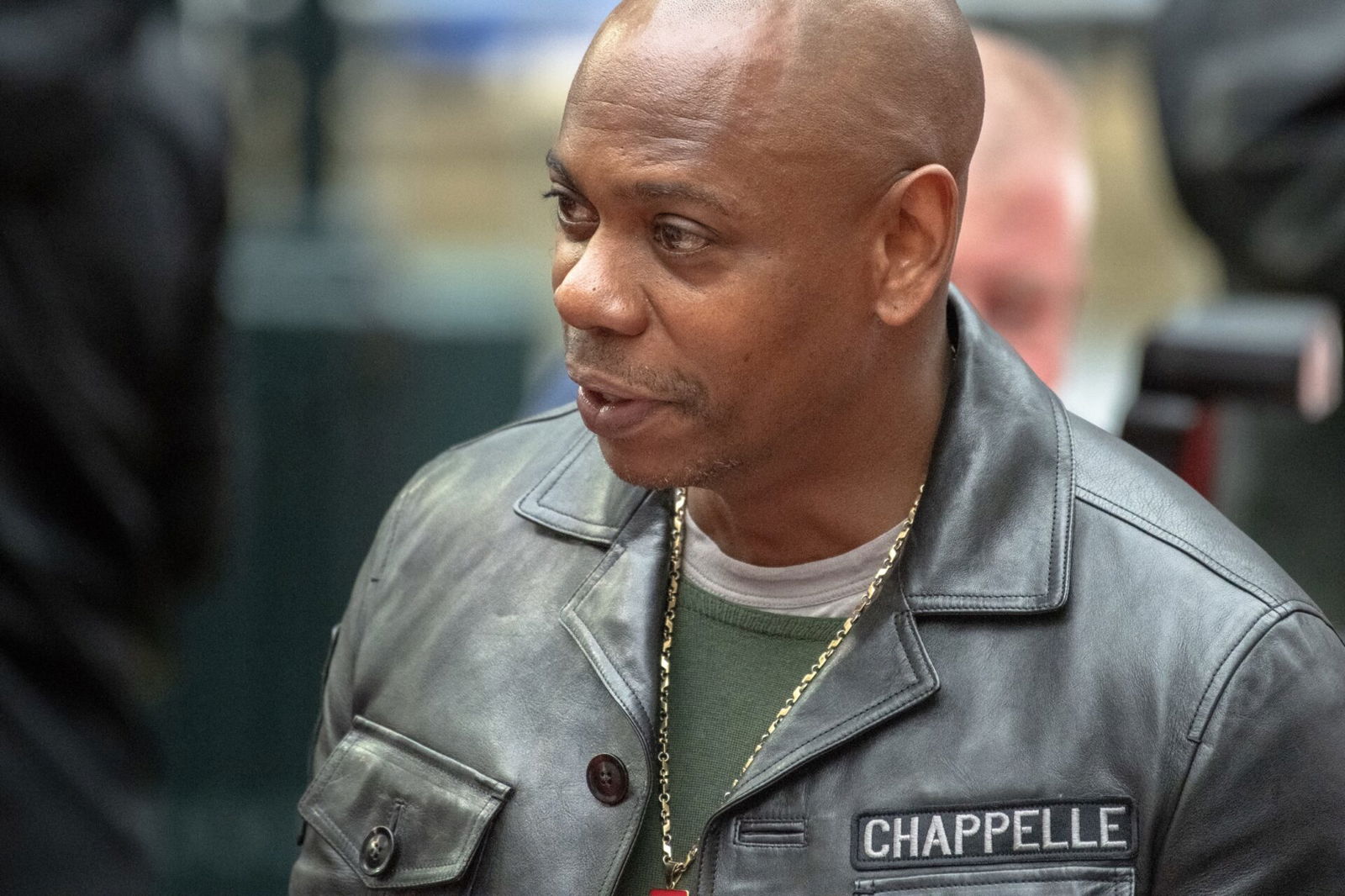
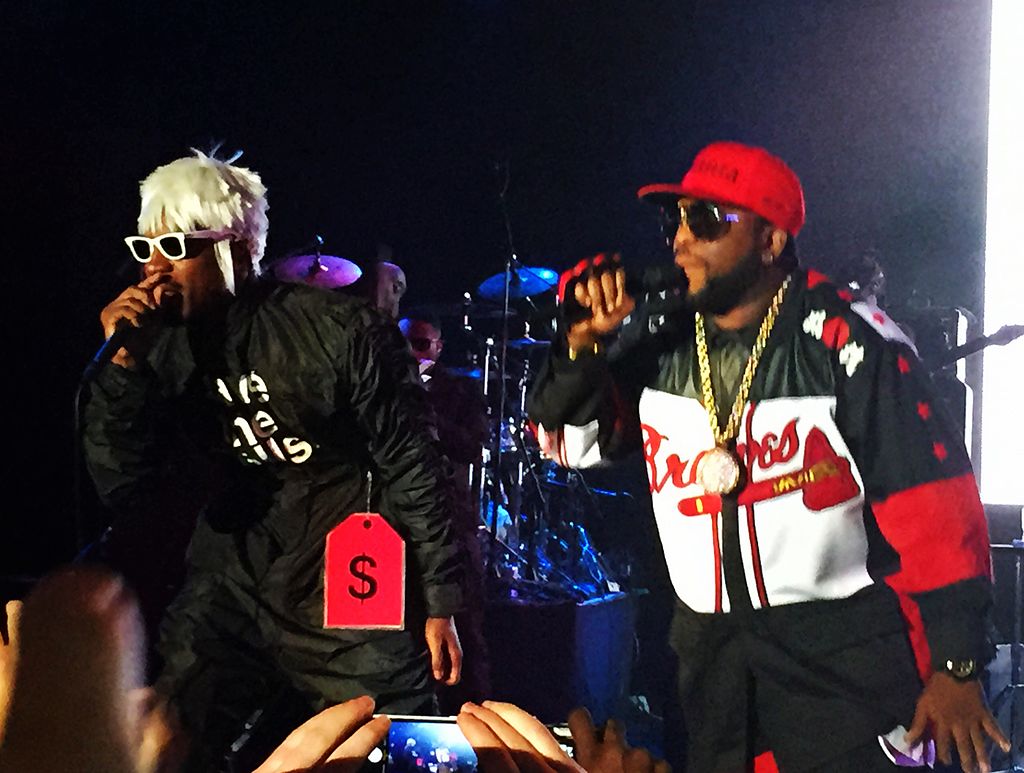
The evening features legendary New York MCs backed by the expansive, live orchestration of a jazz big band. Headliners Ghostface Killah of the Wu-Tang Clan and Big Daddy Kane will share the stage with Igmar Thomas’ Revive Big Band, alongside featured performances by DOE and sets by DJ Jon Quick.

The Strategy: Tech, Capital, and Financial Freedom

Beyond the music, the Power Network Summit features heavy-hitting panels focused on economic sovereignty and future-tech.

In a segment curated by ESSENCE Communications, a high-level retail and tech panel brings together Beatrice Dixon of The Honey Pot Company, Arian Simone of Fearless Fund, and Kay Malcolm of Oracle, with Sundial Media CEO Kirk McDonald moderating.

The digital frontier takes center stage during tech masterclasses featuring AI automation strategies with Alicia Lyttle, known as the “Queen of AI,” alongside blockchain-driven economics with Derek Ferguson, who will present the Vibranium Network as the world’s first socio-economic network built on the blockchain.

The economic track culminates in a frank, wealth-building conversation between John Hope Bryant of Operation HOPE, Racquel Oden of HSBC, and Rashad Bilal and Troy Millings, the financial media visionaries behind Earn Your Leisure.

Opening remarks for the evening will be delivered by national civic leaders, including Rev. Al Sharpton, Shavon Arline-Bradley, and Melanie L. Campbell.

Carnegie Hall doors open at 7:00 PM. To ensure a prompt start to the live schedule, all guests must be seated by 8:00 PM. Admission passes start at $29, which includes a $24 base ticket and a $5 facility fee, with specialized group rates available for blocks of 10 or more tickets.

Watch Derek Ferguson explain the Vibranium Network and its mission to bridge technology with community wealth-building.

RELATED CONTENT: Juneteenth And The Covenant Of Economic Liberation

Danny Simmons, Jr.,

Beloved Artist Danny Simmons Has Transitioned, Leaving A Profound Legacy Behind

He is survived by family, friends, and the arts community.


Danny Simmons Jr., known for his Neo-African abstract expressionist art and poetry, has died. He was 72. The Simmons family announced his passing via social media June 15, expressing their grief but also paying homage to his life and legacy as a “brother, father, uncle, grandfather, and loving husband,” as well as a creative and “cherished friend.”

The painter and poet is the older brother of 1980s rapper-turned-clergyman Joseph “Rev Run” Simmons and hip-hop mogul Russell Simmons, with whom he founded, in 1995, Rush Philanthropic Arts Foundation, a nonprofit organization that has facilitated arts programming for underserved youth for more than 30 years. Danny was at the helm of both Rush Arts Gallery and Corridor Gallery, having showcased notable Black artists, such as Kehinde Wiley, Simone Leigh, Derrick Adams, and Sanford Biggers, early in their careers.  

In addition to spearheading arts institutions, Danny would go on to co-found Def Poetry Jam with Russell in 2001. As a poet himself, he was hands-on with curation and production, earning the show Peabody and Tony Awards in 2003.

Several family members have shared loving recollections of Danny, namely of his loving spirit, kindness, and selfless support of others. Russell referred to Danny as his “best friend” and said he was the “true artist in the family.”

“His poetry, art, and ideas shaped how we think and gave us the freedom to dream beyond limits,” Russell shared in an Instagram post. “He cared deeply about the underserved communities of color and encouraged us to give back.”

Danny was not only a patron of the arts but also a prolific writer, artist, and avid art collector. To his credit, the Jamaica, Queens, New York, native owned roughly 1500 African art pieces, not counting numerous other works of art in his personal collection. Danny has written four books of poetry, one novel, and a graphic novel. Danny’s artwork is widely collected, has been exhibited globally, and is part of the permanent collections of the Brooklyn Academy of Music, Brooklyn Museum, Schomburg Center for Black Culture, The Smithsonian, and United Nations, to name a few. 

Danny’s latest body of work, Visual Expressions, is currently on view at The Butler Institute of American Art in Youngstown, Ohio, through June 28. 

He is survived by his wife, Keia; son, Jamel; grandson; his two brothers; a host of nieces and nephews; extended family; dear friends; and the art community. 

RELATED CONTENT: Danny Simmons Talks the Impact of Rush Philanthropic Arts Foundation

JAŸ-Z Jay Z, paternity
(Photo: Kevin Mazur/Getty Images for Roc Nation)

Jay-Z’s Partnership With Target Sparks Debate With Black Consumers

Some online users are criticizing the hip-hop billionaire for partnering with Target for the release of the 30th-anniversary edition of "Reasonable Doubt"


A new business partnership by hip-hop mogul Shawn “Jay-Z” Carter has sparked outrage online.

Complex reported that Target is releasing an exclusive anniversary edition of his 1996 debut album, Reasonable Doubt, featuring commemorative packaging, a unique vinyl color variant, and previously unreleased versions of select tracks. While some fans welcomed the special 30th-anniversary collector’s release, others questioned Carter’s decision to partner with the retail giant, which has faced lingering backlash and an ongoing boycott. Pastor Jamal Bryant and other Black social justice and religious leaders have called on the Black community to stop shopping at Target after the retailer rolled back several diversity, equity, and inclusion initiatives.

The popular Instagram platform Essence of Black Culture accused Carter of allowing his brand to be manipulated in a way that undermines efforts to hold corporations accountable.

“With the success the Black community had boycotting them, he made himself available to be used to directly smack the community in the face,” the blog said.

The blog also pointed to Carter’s controversial decision to partner with the NFL back in 2019 while activists were calling for a boycott over the league’s firing of former quarterback Colin Kaepernick, who took a knee on the field in support of the Black Lives Matter movement. Likewise, cultural commentator and digital creator Imani B. accused the rap mogul of hurting the Black community’s effort to stand up against organizations that act against their collective interests.

Supporters, however, defended the hip-hop billionaire on Threads, noting that exclusive retail partnerships have long been a standard part of the music business while both he and his wife, Beyonce Knowles-Carter, have donated and supported causes to empower the Black community. Others pointed to Carter’s unapologetic stance as a capitalist and argued that the deal should be viewed as a strategic marketing move.

Jay-Z
Source: Threads

RELATED CONTENT: Jay-Z and Beyonce Slammed for Cuba Visit

Mid-section of woman holding mortarboard
Photo by Cavan Images/Getty Images

16 Colleges Now Cost More Than $100K A Year To Attend

The annual cost of attendance — which includes tuition, fees, housing, meals, books, transportation, and other expenses — surpassed the six-figure mark.


Sixteen U.S. colleges and universities will cost more than $100,000 a year to attend during the 2026-27 academic year, according to Princeton Review Data. This data underscores growing concerns about college affordability nationwide, CNBC reports.

The annual cost of attendance — which includes tuition, fees, housing, meals, books, transportation, and other expenses — surpassed the six-figure mark at institutions including Duke University, Georgetown University, New York University, and the University of Chicago, according to findings from The Princeton Review’s upcoming “The Best 392 Colleges” guide. Brown University, Northwestern University, and Pepperdine University each reported annual costs exceeding $99,000.

Higher education analyst Jeff Selingo said the milestone reflects a long-term trend of rising college prices that is beginning to test families’ willingness to pay.

“We have been moving toward this six-figure price tag for a long time, and now we are here — and for a lot of people that feels significant,” Selingo said.

The rising costs are also influencing enrollment decisions. Data from the National Student Clearinghouse Research Center show undergraduate enrollment continues to grow modestly, with gains concentrated at community colleges and four-year public universities.

“There is a group of institutions that used to be able to command increasing their price without a problem, and now they are finding students and families pushing back,” Selingo said.

Despite the headline-grabbing sticker prices, education experts note that many students pay substantially less than the advertised cost because of institutional aid.

“The cost of college is sobering — no doubt about that,” Robert Franek, editor in chief of The Princeton Review, said in a statement. “With some schools’ sticker prices crossing the $100,000 mark, paying for college seems all the more daunting.”

Several elite institutions have expanded financial aid programs in recent years. Harvard University, the University of Pennsylvania, and the Massachusetts Institute of Technology offer tuition-free attendance for many undergraduate students from families earning up to $200,000 annually, according to those universities.

The National Association of College and University Business Officers reported that private colleges provided an average tuition discount rate of 57% for first-time, full-time undergraduates during the 2025-26 academic year. The organization said schools awarded roughly 57 cents in grant aid for every dollar of potential undergraduate tuition revenue.

“The data tell a clear story: Don’t rule out a private college due to its sticker price, because odds are very good that you will receive a grant from that school,” NACUBO President and CEO Kara Freeman said in a statement.

A separate Sallie Mae report, “How America Pays for College,” found families typically cover only about half of college expenses through income and savings, with scholarships, grants, and student loans accounting for much of the remainder.

RELATED CONTENT: Keeping Your Pockets In Mind As National College Decision Day Approaches

Small Business Administration, SBA
(Photo: iStock)

New Small Business Administration Rule Limits Loan Access To U.S. Citizens Only

This marks a shift that immigration advocates and business owners say could significantly restrict access to capital for thousands.


Legal permanent residents are no longer eligible for U.S. Small Business Administration-backed (SBA) loans under a policy change implemented in March 2026. This marks a shift that immigration advocates and business owners say could significantly restrict access to capital for thousands of entrepreneurs, NPR reports.

The rule, announced by the Small Business Administration (SBA) on March 9, limits eligibility for SBA-backed lending programs to businesses that are fully owned by U.S. citizens or U.S. nationals. The change reverses an earlier policy that allowed lawful permanent residents, commonly known as green card holders, to apply for and receive federal small-business loans.

According to the outlet, the policy is part of a broader federal effort to tighten eligibility standards for public benefits and lending programs tied to immigration status.

The SBA’s 7(a) and 504 loan programs, two of the agency’s primary financing tools, are affected by the rule. Those programs are widely used by small businesses to fund startup costs, purchase equipment, acquire property, or expand operations. Under the updated policy, even partial ownership by a noncitizen who is not a U.S. national can disqualify a business from receiving SBA-backed financing.

The agency has said the changes are intended to ensure federal lending programs prioritize U.S. citizens. However, critics argue the policy narrows access to capital for long-established business owners who are legally authorized to live and work in the United States.

In announcing the policy change, the SBA referred to permanent residents as “foreign nationals.” 

Immigration and business advocates warned the rule could have broader economic consequences, particularly in states with large immigrant populations and high rates of small-business formation, including California. They said the restriction could limit entrepreneurship and reduce access to lower-cost federal lending options that many startups rely on in early stages.

Some immigrant entrepreneurs told NPR that they were concerned about the uncertainty the policy creates, particularly for business owners who have historically depended on SBA-backed loans to scale operations or stabilize cash flow.

“The SBA led me to my success of the American dream,” said entrepreneur Sayuri Tsuchitani, who took advantage of a pandemic-era funding program to open a Japanese head spa.

While the rule does not prevent noncitizens from owning businesses or seeking private financing, SBA-backed loans are often considered more accessible than conventional bank loans due to federal guarantees and comparatively favorable terms.

RELATED CONTENT: Small Business Administration Tells Laid-off Workers They’re Working Again, Then Rescinds Offer

Najee Dorsey,  Founder of ‘Black Art In America’ Commissioned By The Woodson Museum For Historic ‘America 250’ Mural

Najee Dorsey, Founder of ‘Black Art In America’ Commissioned By The Woodson Museum For Historic ‘America 250’ Mural

The ambitious mural will tackle all four of the exhibition’s major historical themes


As the United States prepares to mark its 250th anniversary, The Woodson African American Museum of Florida is ensuring Black history remains at the forefront of the national conversation. The museum has officially commissioned acclaimed artist, curator, and Black Art In America founder Najee Dorsey to create a monumental mural for its upcoming presentation of Many Voices, One Nation: Our Community.

“It’s Huge,” Dorsey told BLACK ENTERPRISE about the opportunity. The commissioned artist said he is “honored, humbled, and proud” to have been chosen to execute the mural.

Opening in July 2026, the landmark exhibition is presented through the Smithsonian Institution’s Museum on Main Street program in partnership with Florida Humanities. In a major win for cultural preservation, The Woodson was selected as one of only three organizations in the entire state of Florida to host the exhibition, which explores the diverse cultures and experiences that have shaped the American narrative.

Reclaiming the Narrative

Dorsey’s massive 30-foot-by-10-foot mural will serve as the crown jewel of The Woodson’s local interpretation. The work is designed to challenge traditional, whitewashed accounts of American history by centering stories of Black resilience, migration, resistance, and cultural excellence.

“Through powerful visual storytelling, he challenges audiences to reflect on the many voices that have shaped the American experience,” Terri Lipsey Scott, executive director of The Woodson told BAIA. “Silence can no longer define these narratives… Dorsey gives voice to stories too often overlooked, ensuring that the contributions, struggles, resilience, and triumphs of African Americans are recognized as an integral part of our shared national story.”

A 30-Foot Blueprint of Black Resilience

The ambitious mural will tackle all four of the exhibition’s major historical themes, bridging the past with the present:

  • Unsettling History (1492–1776)
  • Peopling an Expanding Nation (1776–1900)
  • New Americans, Continuing Debates (1900–Today)
  • Negotiating the Promise of America

“America’s 250th anniversary offers a tremendous opportunity to remember the long history of resistance in America, and to shape the narratives of resistance today,” Dorsey said. “This mural seeks to honor those voices, invite reflection on our history, and inspire thought about our current circumstances.”

Dorsey is no stranger to creating large-scale works. To date, the artist’s largest mural is 8 feet by 42 feet, commissioned by Muskogee County in Columbus, Georgia, honoring Mildred L. Terry, a Georgia educator and librarian. The mural is on permanent display at the Mildred L. Terry Public Library. Check out more of Dorsey’s work at Black Art In America Gallery in Atlanta, Georgia.

RELATED CONTENT: A ‘Little’ Art Show Opens With A Big Bang At Atlanta’s Zucot Gallery 

Dreena Whitfield-Brown, PR agency WhitPR
Dreena Whitfield-Brown, founder and CEO of WhitPR

The Founder Of WhitPR Parlayed Her Successful PR Agency Into A Podcast And A Women’s Summit

Dreena Whitfield-Brown shares why she launched How I Got Here and why it’s essential for us to tell our stories


Dreena Whitfield-Brown, the founder and CEO of PR agency WhitPR, which provides public relations, experiential marketing, social media management, and talent management, always aimed to amplify stories that support the advancement of marginalized communities.

But she never anticipated she would be telling those stories as the host of her own podcast, How I Got Here, which “goes beyond the highlight reel with Black women founders, executives, and leaders” to get to the “real conversations about the pivots, the setbacks, and the purpose behind the work.” Or that the podcast would spawn a live event connecting Black businesswomen in her home state of New Jersey.

“I really love telling people’s stories who often get overlooked, especially us,” Whitfield-Brown says. “So that’s how the How I Got Here podcast started, and that’s why the How I Got Here Summit is here.”

At the recent How I Got Here Summit, Whitfield-Brown walked BLACK ENTERPRISE through the evolution of her PR agency and shared her insight on how we all benefit when Black women entrepreneurs open up about their journey:

When you launched your PR agency, did you wish you had access to the kind of stories you’re helping to tell now?

When I started WhitPR—this September, it’ll be 16 years— I didn’t know what the hell I was doing. I didn’t have any business mentors. I didn’t know how to write a business plan. I didn’t even know how to really launch an agency. So Google was really my lawyer, my accountant, my assistant, everything.

I’ve found, as I’ve grown in business, that we don’t tell our stories—tell like the ups and downs of entrepreneurship. We like to show the end result, where it’s like, ‘Oh, I got all these awards, I got these accolades, I got all these amazing clients.’ But no, tell me about when your account is negative $3,000. Or when somebody just ends your contract without telling you. Or you lose a really good assistant or team member that you’ve poured it into. Tell me about that. How did you bounce back from that? Because I’m still trying to figure it out.

There’s a lot of women that I know that are looking to start businesses, that are starting businesses, that have been successful, and they’re going through the same thing. So I want to tell those stories, because it’s relatable.

When did you know that you wanted to do a podcast centered on founder stories and the stories behind the brands?

I was kind of pushed into it by my producer. She’s worked with me for, I want to say, five years, first as a client, then we became friends. She was working in a digital marketing space, so she helped us with social media for some of our clients. WhitPR is really all about amplifying Black stories. But typically, a lot of our clients are Black female founders, CEOs, and executives. And so she was like, ‘You need to turn this to a podcast.’ And I was like, you know, I don’t like being forward-facing. I like to wear all black. I like to be behind the scenes. But once I did it, I just loved it, because I am also quite nosy, so I like to know the journey of people that I admire.

What did you need to add, business-wise, to expand from a PR agency to a podcast, and now to orchestrate a summit?

You have to have a really good team around you. I’ve had some really amazing women that have come into my life and have poured into me, prayed for me, prayed for my business, prayed for this time, and have prayed for today. I wouldn’t be here without them.

Like my client who became my podcast producer—anything that I want to do, she’s like, ‘let’s do it.’ And she’ll come up with the branding; she’ll come up with all these ideas. There’s another former client who became one of my really great friends, who I know knows how to do things like this. Then there’s an event designer here in New Jersey who gets it done. You have to bring in people that know how to do things that you don’t know how to do. I have these dreams, I have these visions, but I need people to help me execute them. I think it’s just having a really solid team.

RELATED CONTENT: 9 Female Entrepreneurs Share The Secret Sauce To Their Success

JAŸ-Z Jay Z, paternity
(Photo: Kevin Mazur/Getty Images for Roc Nation)

JAY-Z’s MarcyPen Capital Partners Looking To Buy LVMH’s Stake In Fenty Beauty

The investment firm co-founded by JAY-Z is reportedly in the race to purchase LVMH’s stake in Rihanna's billion-dollar beauty brand


MarcyPen Capital Partners, the investment firm co-founded by Shawn “JAY-Z” Carter, is in talks to acquire luxury conglomerate Louis Vuitton Moët Hennessy’s (LVMH) stake in Rihanna’s Fenty Beauty.

According to AFROTECH, MarcyPen Capital Partners is among the firms exploring a purchase of LVMH’s 50% ownership stake in the beauty brand launched in 2017 through a partnership between Rihanna and Kendo Brands, LVMH’s beauty incubator. Fenty Beauty quickly disrupted the cosmetics industry with its inclusive approach to beauty, particularly its expansive foundation shade range that catered to dark-skinned Black women often overlooked by traditional beauty brands. Today, the company is reportedly valued between $1 billion and $2 billion, according to Reuters.

The potential acquisition comes months after reports surfaced that LVMH had retained investment bank Evercore to explore strategic options for its ownership stake in the company, which generated approximately $450 million in net sales in 2024. AFROTECH reports that MarcyPen is evaluating several financing structures and has held discussions with outside investors regarding a potential transaction.

The firm was created through the merger of JAY-Z’s Marcy Venture Partners and Black-owned investment platform Pendulum Opportunities, forming a venture capital firm focused on growth-stage consumer businesses. Before the merger, Marcy Venture Partners participated in funding rounds for Savage X Fenty, Rihanna’s lingerie company, in both 2019 and 2022. If completed, the deal would place ownership of Fenty Beauty in the hands of Rihanna and a firm backed by the hip-hop billionaire, creating a powerful alliance between two of the most successful figures in entertainment and business.

RELATED CONTENT: Rihanna Expands Fenty Beauty Glam With India Pop-Up

Kai Cenat, Streamer, live, twitch, mental health
(Photo: Christopher Polk/Penske Media via Getty Images)

Kai Cenat Opens Applications for Streamer University’s 2026 Class

The Bronx native announced that applications for the Class of 2026 are now open


Internet personality and Twitch superstar Kai Cenat is once again opening the doors to Streamer University.

The Bronx native announced that applications for the Class of 2026 are now open for aspiring content creators looking to learn, collaborate, and build their careers in the creator economy. Cenat unveiled the announcement on Instagram on June 8 with a Harry Potter-inspired promotional trailer that generated nearly 3 million likes and 160,000 comments.

According to the program’s website, interested applicants are encouraged to submit their materials through the online enrollment portal.

Streamer University first launched in 2025 as a unique educational experience designed to help aspiring content creators sharpen their skills while learning directly from some of the internet’s biggest personalities. The inaugural program drew widespread attention after more than 120 emerging creators gathered on a college campus for a weekend of mentorship, networking, and content creation.

This year, Cenat is expanding opportunities for participation for students, professors, and club directors. Students will focus on developing content creation and personal branding skills, while professors and club directors will help lead educational sessions and extracurricular activities, reports NDTV Sports.

The announcement arrives as the creator economy continues to gain legitimacy as a career path for young entrepreneurs. According to a recent Axios report, many Gen Z creators increasingly view influencer and content-creation careers as viable alternatives to traditional professional tracks, a trend that Cenat has helped accelerate through his success. Today, the 24-year-old streamer is reportedly worth $45 million due to his massive subscription numbers, lucrative brand deals, and viral marathon streams.

Details regarding the 2026 campus location, enrollment size, and official start date have not yet been announced.

RELATED CONTENT: Stream Of Consciousness And Coins: The Rise Of Kai Cenat

Telie Woods, Ghana, jerk soul
Courtesy of Jerk Soul

Chicago Restaurateur Moved Jerk Soul To Ghana, Thinking He’d Retire — Now He’s Rebuilding After Starting Over

Building a business overseas proved far more difficult than Woods expected.


When Telie Woods left St. Louis and moved to Ghana in 2022, he thought he was finally slowing down.

After years of building his popular Caribbean fusion restaurant, Jerk Soul, into a Midwest favorite, Woods says he believed the move to West Africa would mark the beginning of his retirement.

“Honestly, I intended to retire,” Woods told BLACK ENTERPRISE. “Those four years in St. Louis wore me out.”

But retirement didn’t last long.

“After not paying any attention to my personal well-being for so long, I decided to follow where the Divine was leading me,” he explained. “My friends said, ‘You are a workaholic and too young to retire.’ I guess they were right. Jerk Soul Ghana was open after six months of my arrival. I did rest for six months, though!”

Woods originally launched Jerk Soul in St. Louis in 2018, and the restaurant quickly developed a loyal following thanks to its Caribbean-soul-food fusion.

Still, even after the restaurant’s success, Woods felt called toward something bigger.

At first, Ghana seemed like the perfect next chapter. After researching business opportunities and hearing stories from members of the African diaspora relocating to the continent, Woods sold most of his belongings and moved to Accra with just a few bags and his dog.

The Ghana expansion initially looked promising. Jerk Soul Ghana became one of the largest African American-owned restaurants in the country and developed into a gathering place for Black expats, tourists, celebrities, university groups, and organizations visiting the continent.

“We’ve hosted universities, religious groups, celebrities, the NAACP, etc.,” Woods said. “We’ve provided a landing spot for the Diaspora when they want to get familiar food or just be around other Diaspora and meet new faces.”

But building a business overseas proved far more difficult than Woods expected.

“Without having any mentorship on how to navigate the permits needed to open shop was a challenge,” he explained. “I had to learn the hard way. It cost me unnecessary time and money.”

Beyond logistics, Woods says cultural differences created an entirely new learning curve.

“Slightly adjusting my menu to accommodate a local palate, sourcing ingredients needed but not readily available, and understanding the mentality of my Ghanaian staff members were all learning curves that grew me more gray hair,” he admitted.

Over time, the restaurant evolved from Caribbean-soul food fusion into something uniquely Ghanaian as Woods adapted the menu to local tastes.

“Here, in Ghana, it has evolved into a trifecta of Caribbean, Soul, and Ghanaian fusion,” he said. “For instance, I fused Jerk with Jollof, and it became one of my popular dishes.”

Still, after making history with its first Ghana location, Woods is now searching for a new home for Jerk Soul, as the original setup did not work out in the long term.

“We are getting ready for our new home. There is more history to make. This is ministry for me,” he shares.

When opening a business abroad, Woods says people would realize that there may be much more red tape than they are accustomed to in the States. He advises to “take a trip and spend a couple of weeks there to allow your mind and spirit to guide you to the right opportunities.” Connecting with other expats can be a major plus to help “learn the unwritten rules and navigate the culture.”

Growing up in Chicago prepared him for adversity, Woods says, helping him develop the mindset necessary to survive both business and personal struggles.

“I’ve been through so much, I’ve noticed that I’ve become numb to issues when they arise,” he explained. “After I’m done bleeding, sweating, and shedding a tear behind closed doors, I revert to a Tupac quote, ‘Lift your chin up, stick ya chest out, and handle it.’”

He doesn’t have plans to leave Ghana.

“Knowing that this is the place where my ancestors were taken from, you begin to tingle inside,” says Woods, who writes about his life experiences and entrepreneurial journey in a book titled “Personal, Professional and Positive.” “400 years later, we’re back, lending our talents and gifts back to the Motherland.”

That emotional connection inspired Woods to create the Diaspora Enrichment Awards, an annual event honoring members of the African diaspora contributing to development across Africa.

And despite everything he has faced, Woods has no regrets about taking the leap.

“I’ve seen people talk themselves out of life-changing blessings,” he said.

RELATED CONTENT: Stephanie Synclair Couldn’t Find Her Dream House In The U.S., So She Purchased A 4,000 Sq. Ft. Home In Italy For $62K

×