Philly’s ‘Hood Therapist’ Iresha Picot Takes Black Women On Weekly Bike Rides
The Black Girl Joy Bike Ride takes Black women cyclists on weekly, guided rides to explore Philadelphia.
Since 2023, Black women have been gathering weekly in Philadelphia to participate in the Black Girl Joy Bike Ride. As the group grows, creator Iresha Picot says it’s become something bigger than she ever dreamed.
The bike ride is a guided 4- to 5-mile journey through the city. For Picot, it’s all about joy, community, and Black women putting themselves first. “As Black women, we’ve been conditioned to put everybody else’s needs before our own,” she told CBS Philadelphia. “A lot of us are dying from stress-related diseases, from preventable diseases.”
The Black Girl Joy Bike Ride creates a space for women to connect on and off the bikes. The cyclists build friendships and have an opportunity to see the city and embrace the peace of the outdoors. One Black Girl Joy rider said she enjoys being around other Black and Brown women “having self-care for each other.”
Another rider said riding with the group makes the “bad things” about the city “beautiful.”
For riders without a bike, Indego Bikes and Philly Bikes provide a bike on a first-come, first-served basis. Over the next two years, Picot is excited to gift 24 Black Women their very own bikes due to a substantial community grant from the Pennsylvania Environmental Council. In a June 22 Instagram announcement, she thanked the council for its commitment to making trails “more welcoming, accessible and fun” for historically underserved communities.
“I’m grateful that I get to continue to be a vessel in addressing the equity issues in cycling for Black Women in Philly and actually being able to do something about it,” she said.
On June 19, Picot was grateful to see so many riders participate in the Juneteenth Black Girl Joy Bike Ride in North Philly. The women gathered at 10 a.m. at 33rd and Diamond before they headed out on a scenic route on the legendary boxers’ trail. “It was a hot one but also a good one,” she said.
Elevating Your Excellence: Damola Adamolekun: The Nigerian King Of Red Lobster
His leadership, continuously refined through a disciplined approach marks a career built on consistent excellence and meaningful impact.
Damola Adamolekun, the formidable CEO of the global restaurant chain Red Lobster, exerts influence on the hospitality sector, demonstrating a rare fusion of strategic acumen and cultural sensitivity.
Recognized by Fortune Magazine as one of the “World’s Greatest Leaders,” Adamolekun isn’t merely overseeing the revitalization and resurgence of the cherished seafood brand; he is meticulously steering its trajectory by amplifying customer engagement, authentic cultural representation, and robust financial success.
Adamolekun’s stewardship as Red Lobster’s CEO is characterized by a direct, highly visible approach to modernizing the chain while fiercely safeguarding its intrinsic identity. His assertive initiatives include reintroducing beloved, nostalgic menu items alongside enduring fan favorites, such as the celebrated Cheddar Bay Biscuits.
The tricenarian’s acute focus on cultivating brand loyalty and understanding customer value underpins his concerted efforts to elevate service and the overall dining experience, ensuring the restaurant chain maximizes its potential through a comprehensive strategy for profitability and market preeminence.
His Nigerian-American heritage, shaped by formative experiences in Zimbabwe and the Netherlands, deeply enriches his expansive perspective on market dynamics and consumer diversity.
Before joining Red Lobster, Adamolekun’s transformative leadership defined P.F. Chang’s during his tenure as CEO and director. He notably became the first Black CEO of the prominent Asian-American fusion restaurant chain.
He masterfully navigated P.F. Chang’s through the unprecedented disruptions of the COVID-19 pandemic, skillfully restoring the enterprise to profitability with annual revenues soaring to $1 billion. His vision and drive catalyzed the launch of “P.F. Chang’s To Go,” a concept that dramatically augmented the brand’s delivery capabilities.
Adamolekun’s executive career is firmly rooted in an extensive investment and private equity background.
As a partner at Paulson & Co., the New York-based investment firm that holds principal ownership of P.F. Chang’s, his keen discernment was central to identifying and managing several of its most significant investments. His professional journey also encompassed impactful roles within Goldman Sachs’ Investment Banking Division and as a private equity associate at TPG Capital.
This expansive financial mastery provided him with an unparalleled advantage in navigating intricate markets and forging pathways for exceptional growth.
Beyond his executive leadership, the Nigerian-American business maven maintains a vibrant and influential presence across the broader industry. He actively serves on P.F. Chang’s, Inday, and the National Restaurant Association boards.
An esteemed alumnus of Brown University, where he earned a Bachelor of Arts in Economics and Political Science, Adamolekun distinguished himself academically and athletically, contributing to the Ivy League champion Brown Football team and leading the Brown Investment Group. He further refined his business acumen at Harvard Business School, where he earned a Master of Business Administration and served as a portfolio manager for the HBS Investment Club.
His unwavering early ambition finds voice in his personal reflection, “I always found business interesting, even when I was young. It captivated me intellectually. I started working when I was in high school and invested everything I made. I opened my first stock portfolio when I was 16,” he told Black Past.
Adamolekun’s formidable list of accolades includes three GLOBEE Leadership Gold awards for CEO of the Year, spanning the Food and Beverage, Hospitality, Travel, Recreation, and Leisure sectors, as well as the distinction of Top CEO of the Year: The Rising Star.
He also garnered a GLOBEE Leadership Silver award for CEO Achievers: Transformational Leader of the Year. He was prominently featured on Nation’s Restaurant News’ Power List as an innovative and inspiring figure in the industry.
His leadership, continuously refined through a disciplined approach—evidenced by his daily 4 a.m. runs—marks a career built on consistent excellence and meaningful impact.
Mayor Ras Baraka’s Guaranteed Income Program Provides New Opportunities And Less Stress For Newark Residents
Recipients are less likely to be evicted from their home, being able to save more and children accelerating in school.
Newark Mayor Ras J. Baraka is being celebrated for his Newark Movement for Economic Equity (NMEE) program that has provided a huge safety net for its participants since its 2021 establishment, NJ Spotlight News reports.
The two-year guaranteed income pilot program was launched to support residents making less than 200% of the federal poverty line due to the COVID-19 pandemic. Released data now shows how successful things have been. At random, 400 low-income families were divided into two groups — with one group receiving $250 twice a month and the other receiving $3,000 in lump sums twice a year. According to BET, a control group of 478 individuals did not receive any payments.
Data shows the outstanding benefits of the Newark program so far. Of the 400 recipients, those who received the modest checks benefited in more ways than one. Recipients are less likely to be evicted from their homes, can save more, and children are excelling in school. Data also highlighted a drop in participant homelessness, going from 3% to zero, in addition to food security improvement and mental health well-being on the up. Those in the program saw a reduction in stress and fewer symptoms of depression and anxiety for the first 18 months.
Baraka says the data proves that two years isn’t enough, and it’s time to discuss expansion. “I think it’s timely that we talk about this now and that we try to expand it now,” the mayor said.
“Especially in an environment where the richest people in the world are trying to take food out of the mouths of some of the most struggling in this country and the world, taking food and medicine from people.”
Programs such as the Movement for Economic Equity have been proving their worth in cities nationwide despite Republican lawmakers. Known as Universal Basic Income Programs, studies have shown that participants are in favor of the “flexibility and practicality of cash assistance.” However, Rep. John Gillette (R-AZ) feels such programs will make Americans lazy — something the “Founding Fathers” wouldn’t like. “Is money a birthright now? Do we just get born and get money from the government? Because I think the Founding Fathers would say that is very contrary to our capitalist system and encouraging people to work,” Gillette said.
“You get out, you get a job, you make money, you pay taxes, you live the American dream. We were never designed to have the federal government supply a salary.”
However, Baraka’s report shows programs aren’t about job security but about giving people room to improve. Recipient Jennymarie Idrobo, who receives biweekly checks for $250, says the funds helped her replace her boiler and pay down some student debt. “All of my money was invested into myself, and my future, and my family,” she said.
Leadership Cleveland Selects Mayor Kim Thomas To Join 2026 Cohort
The Richmond Heights, Ohio, mayor will participate in the 10-month program to enhance her collaborative leadership abilities and civic understanding.
Kim Thomas, the mayor of Richmond Heights, Ohio, is a member of the Leadership Cleveland Class of 2026.
Over the past 47 years, Leadership Cleveland has helped senior-level leaders explore collaborative leadership skills and enhance civic understanding to help their communities.
“Because of your demonstrated leadership and commitment to the community, thoughtful responses to the questions posed, and impressive credentials shared in your application, the Cleveland Leadership Center is confident you will be an important member of this year’s class,” Thomas’ acceptance letter stated, according to Cleveland.com.
Thomas received the good news on June 20. The mayor, who is now in her final year of her first term, will participate in the 10-month program to learn from community partners and local leaders.
“Being a part of the 2026 Leadership Cleveland is truly an honor,” said Thomas. “The program will help me better understand the challenges and opportunities facing the Greater Cleveland area and connect with like-minded leaders passionate about advocating for positive change.” She will exchange ideas and develop solutions, skills she says she’ll use to address the pressing issues in Greater Cleveland like economic disparities and public safety.
In her announcement to run for re-election in May, Thomas said, “Since taking office, our community has undergone a remarkable transformation.” Her commitment to upgrading infrastructure, leading innovative rebranding efforts, and advancing major capital improvement projects continues to move the residents of Richmond Heights toward a “higher quality of life and economic growth.”
Leadership Cleveland’s Class of 2025 was comprised of 18 members. The entire class of 2026 members have not been revealed. Applications for the Leadership Cleveland Class 2027 will open February 1, 2026. More than 2,000 people have participated in the program since its start.
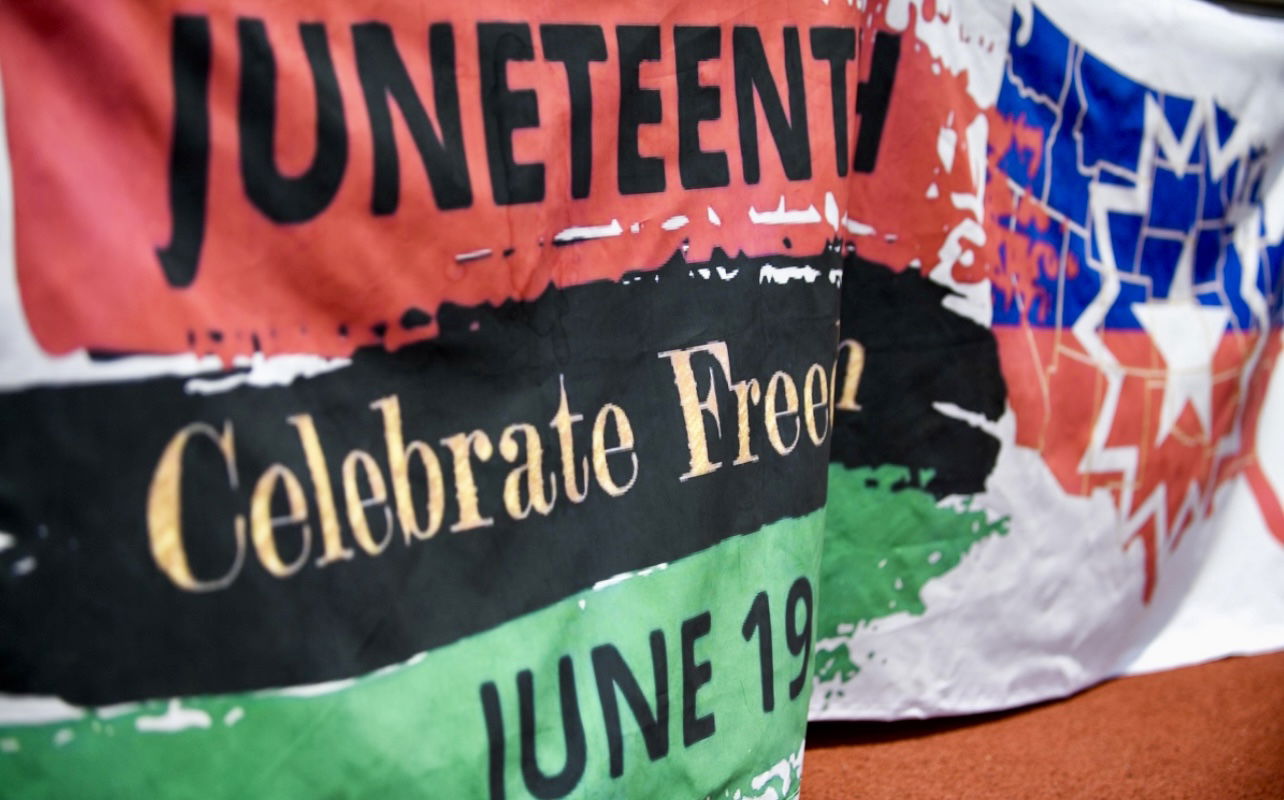
Mitchelville Freedom Park Hosts Juneteenth Sleepover Honoring First Town Self-Governed By Freed Slaves
Mitchelville Freedom Park's Juneteenth sleepover invited a diverse group to immerse themselves in the nation's first self-governing town of formerly enslaved people.
The Historic Mitchelville Freedom Park in South Carolina, hosted a Juneteenth sleepover that allowed a multigenerational group to immerse themselves in the site of the first self-governing town of formerly enslaved people in the country.
Held on June 12, a week before Juneteenth, the event, led by park staff, invited guests to camp in the woods and reflect on what life may have been like during slavery, TheWashington Post reports.
Activities included connecting with the natural surroundings, viewing the dark, salty waters of Port Royal Sound—where a replica boat represented the vessels once used by locals to reach a fort made of oyster shells—and visiting the silhouette of a praise house.
A highlight was hearing a reenactment of a Baptist minister reading the Emancipation Proclamation, as once happened on those very shores. Ahmad Ward, executive director of Historic Mitchelville Freedom Park, led the group in listening to a recorded interview with Mother Ethel Rivers, a centenarian born in Mitchelville. Speaking in a lilting West African cadence, she described a Gullah Geechee rite of passage called “seeking,” where boys and girls spent the night outdoors to connect with their ancestors, and, at times, to encounter the divine.
The event’s intimate format contrasts sharply with the grand scale of National Mall museums or public school systems, which have come under fire from the Trump administration for teaching what it deems “racially divisive” content.
Kept alive through donations and state funding, Mitchelville reflects a growing interest in historic sites tied to slavery, similar to nearby Charleston, South Carolina, where more visitors are seeking out plantation museums for deeper insight into slavery’s legacy and a meaningful connection to their ancestors.
“When I see there are efforts to keep us from our history, I see there are other ways and other means,” said Deborah Douglas, an author who is working on the second edition of a traveler’s guide to the Civil Rights Trail.
“We’re only talking about it in our community,” said Cheria Hay, a speech language pathologist and seventh-generation Mitchelville descendant, who drove six hours from her home in North Carolina to attend the Juneteenth campout. “It has to be shared.”
Historic Mitchelville Freedom Park hosts its Juneteenth festivities each year, and registration continues to grow. Diverse groups take part in activities such as the overnight campout, nature talks, a family day, a drum circle and concert, a karaoke contest, and a fun run.
(Photo by FREDERIC J. BROWN/AFP via Getty Images)
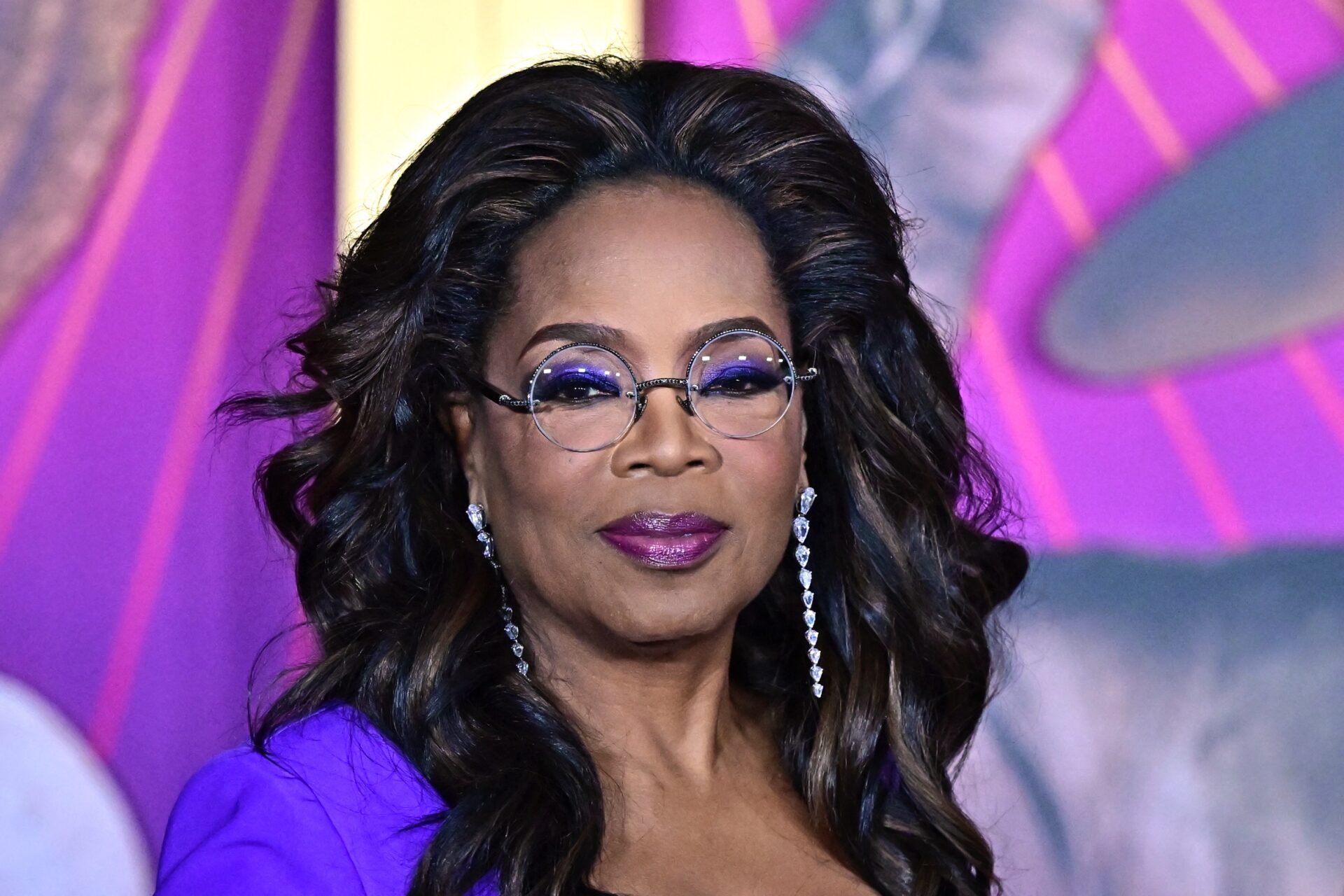
Oprah Winfrey
January 29, 1954
Kosciusko, Mississippi
Oprah made history as the first Black woman to own her own production company. revolutionizing the media industry with her talk show, philanthropy, and business ventures.
https://www.womenofthehall.org/inductee/oprah-winfrey/
Oprah Winfrey And T.D. Jakes Shut Down Diddy Party Rumors, ‘Never Been Near A Puff Party’
Oprah Winfrey and T.D. Jakes addressed the Diddy rumors at the Good Soil forum.
Oprah Winfrey and T.D. Jakes are shutting down any speculation regarding their ties to Sean “Diddy” Combs and rumors of attending one of his “freak off” parties.
The two powerhouses sat down for a fireside chat at Jakes’ recent Good Soil Forum in Dallas, where Winfrey took it upon herself to disassociate herself with anything Diddy party-related.
“I have never been near a party, never been near it,” Winfrey said in a clip shared by The Art of Dialogue. “And anybody who knows me knows if there is a party, I’m the first one out. I’m the first one out.”
Oprah and T.D. Jake publicly denies going to Diddy's parties.
— The Art Of Dialogue (@ArtOfDialogue_) June 21, 2025
Jakes chimed in to address rumors sparked by a photo of him with Combs at one of the embattled music mogul’s birthday parties. The image drew backlash amid intense online scrutiny following Cassie Ventura’s explosive lawsuit, which first revealed disturbing details about Combs’ so-called “Freak Off” parties.
“I stopped by Puff’s house for 30 minutes to say Happy Birthday to him during the day at 2 o’clock with staff,” Jakes shared. “And out of that came a love affair and all kinds of stuff.”
“You too?” Winfrey jokingly asked.
“I’m almost 70 years old, what does that look like?” Jakes quipped. “And I am a grandpa. What do I look like at this late day?”
Jakes faced backlash in late 2023 amid rumors about his ties to Combs. He addressed the speculation during a sermon at his Potter’s House church, but his comments only fueled further scrutiny.
“I didn’t come to convince you or nobody, because I know who I am,” he said at the time. “That is not what this is about; you can think about whatever you want to think. I came to do my job, I came to prophesize as I was commanded. I came to hear the master say, ‘Well done, thou good and faithful servant.’”
East Harlem Set To Get Busy As Mayor Eric Adams Signs Legislation For New Business Improvement District
With more than 85 commercial tenants already included, Adams says this is a way to continue seeing businesses thrive in a community with such legacy.
New York City Mayor Eric Adams signed legislation that will bring a new advocacy organization to the Harlem community and give businesses the opportunity to grow.
Standing in front of Sisters Caribbean Cuisine, Adams signed the necessary paperwork to create the East Harlem 125th Street Business Improvement District (BID) to advocate and coordinate with the community’s businesses and organizations.
With more than 85 commercial tenants already included, Adams, who is running for reelection, says this is a way to continue seeing businesses thrive in a community with such a legacy. “From its parks and playgrounds to its storefronts and small businesses, East Harlem is a place of rich history, extraordinary culture, and incredible food. Families, businesses, and residents deserve an East Harlem that is safe, clean, and thriving — and that is what this BID is all about,” Adams said.
“But we’re not only bolstering businesses here in East Harlem; we’re doing it all across our city. We cut red tape, invested in working people, and helped shatter the record for the most jobs and small businesses in city history. We’re focused every day on creating good-paying jobs and making sure that East Harlem and all of New York City are the best places to raise a family.”
According to Patch, thoughts for the BID first came about following a unanimous City Council vote in May 2025. By January 2026, the organization will be fully functional with an annual budget of $750,000. With the support of a board vote, the budget could go up to $1 million after three successful years.
Adams’ legislation will also bring sanitation and beautification efforts to East Harlem, which business owners are ecstatic about. Carey King, executive director of Uptown Grand Central, a nonprofit that provides additional sidewalk and street-cleaning services, feels the BID will make a big difference within the new district’s boundaries, consisting of 14 blocks riddled with pollution and crime. “Often, people have negative things to say when they walk through this district, and how chaotic it is, and how it scares people off sometimes,” King said.
“We’re really excited that we’re starting to build consensus and support to be stronger going forward, to make the street a better place.”
The announcement checks off Adams’ “Rebuild, Renew, Reinvent: Blueprint for New York City’s Economic Recovery” plan commitment made during his first mayoral campaign. The East Harlem 125th Street Business Improvement District brings the number of NYC supporting BIDs to 77. The plan was established to create new BIDs throughout the Big Apple and invest directly into targeted neighborhood development.
In addition to the latest established BID, Adams and Small Business Services Commissioner Dynishal Gross announced $4.4 million in new grants from the city will be awarded to some of Harlem’s community organizations and other neighborhoods in efforts to support small businesses, improve public morale, and give a push to nonprofits.
Sibling Rivalry: Brother and Sister Battle Each Other In Florida Primary
Their mom has already made an endorsement.
Randolph Bracy and LaVon Bracy Davis have two things in common: they are siblings, and both have their eyes on the vacant state senate seat in Florida, the Associated Pressreports.
The Democratic siblings are battling in a special primary in Senate District 15 that opened after Geraldine Thompson died earlier this year from complications from knee-replacement surgery. The siblings aren’t new to politics: Bracy Davis is a state representative; Bracy was a state senator.
The family is deeply rooted in advocacy for Black people. Their mother, Lavon Wright Bracy, is a civil rights activist. Their father, Randolph Bracy Jr., was a local NAACP president. He founded a Baptist church in Orlando and was the director of the religion department at Bethune-Cookman University.
Lavon Wright Bracy has endorsed her daughter for the seat.
Other candidates in the primary include lawyer Coretta Anthony-Smith and former U.S. Rep. Alan Grayson, according to Florida Politics. The winner of the Democratic-dominant district, with Black voters comprisingover half of the registered Democrats in the district, will face Republican Willie Montague in September 2’s Special Election.
Bracy Davis’ campaign has been met with some scrutiny. Her campaign brought in a surge of cash a week before the primary. Still, fundraising efforts that unexpectedly dragged on to the end of an extended session were said to have impacted her messaging. Bracy Davis’ campaign raised more than $60,000 over the course of the race, but through the reporting deadline, the campaign spent over $19,000 and still had more than $41,000 in cash.
However, the seasoned lawmaker says she isn’t worried about the financial part as she feels her record will speak for itself. “In the State House, I’ve worked to build up my community by expanding opportunities and delivering on every promise I’ve made. I’m proud of the positive campaign I’ve run—one rooted in respect, results, and real connection,” she said.
“While not every campaign has taken that approach, I’ve stayed focused on uplifting our community rather than tearing others down. The overwhelming support I’ve received — from doors knocked, to personal encouragement, to last-minute financial contributions — confirms that voters value leadership that leads with integrity.”
Bracy, once a contender for governor, failed to file a timely fundraising report for June 2025, raising just under $3,000 in outside contributions and contributing $6,000 from his own funds. But he isn’t letting that get him down. Campaigning as “The People’s Champ,” he attended Juneteenth events to garner support. “
We are in a time where effective, strategic leadership is crucial. I am the only candidate for Senate District 15 that has a proven record,” he said in a Facebook post.
This isn’t the first time the brother-sister duo went up against each other. Both were inserted in the Democratic primary for state senate in 2024, which the former professional basketball player called “disappointing and hurtful.” Bracy Davis endorsed Thompson over her brother for that race.
Wu-Tang Clan’s Masta Killa Connects With PETA To Encourage Vegan Lifestyle
PETA has been steadfast in its message
As the legendary hip-hop collective, Wu-Tang Clan, is on the road for their last tour, one of its members, MastaKilla, has partnered with People for the Ethical Treatment of Animals, PETA, to help champion the vegan lifestyle.
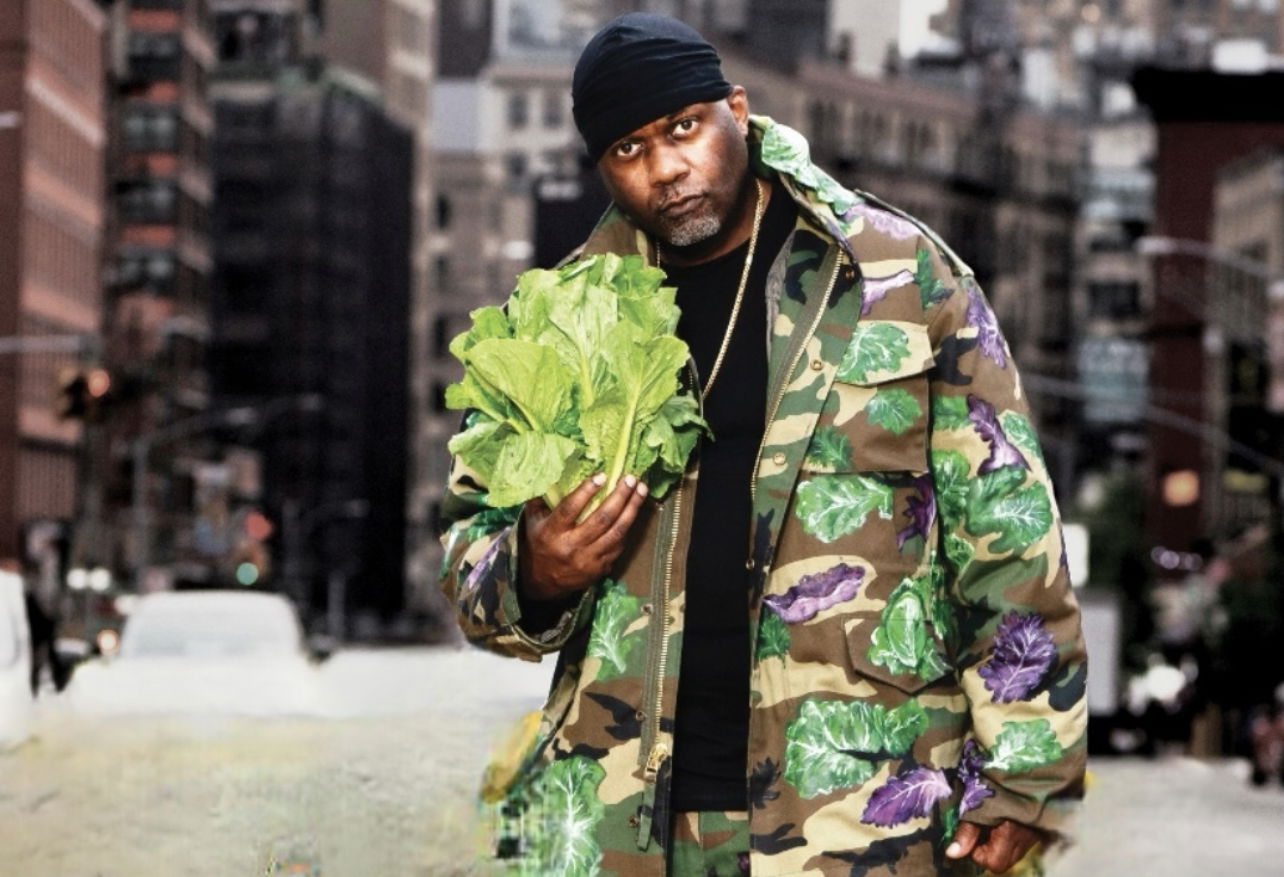
The Brooklyn-bred, Staten Island-connected recording artist appears in the organization’s latest campaign to encourage people to join a lifestyle that does not involve eating flesh. He appears in a camouflage outfit, showcasing lettuce instead of the customary leaves on traditional uniforms from the armed services.
“Take care of your body and your body will take care of you,” says Masta Killa. “Your body is a living organism—you’re supposed to feed it life. Plants, vegetables, fruits, all of those things are still living, so you’re putting life into life.”
The emcee is seen in a video walking through the streets of New York City, carrying a head of lettuce and some cabbage, while posing in front of a vegetable and fruit stand. He mentions that several of the group members are also vegan, including RZA and Mathematics.
MastaKillais just the latest celebrity to help PETA tout the benefits of living a vegan lifestyle. He joinsRZA,TravisBarker,P!nk,JhenéAiko,JermaineDupri,NoahCyrus,T-Pain,andPaulMcCartney. They have all gotten on board to encourage others to be kind to animals. PETA has been steadfast in its message to others that states “animals are not ours to eat.”
Masta Killa, whoreleased a solo project, Balance, in May, has stated that vegan meals are now readily available everywhere and that people should have easier options for maintaining a lifestyle free from flesh.
“Everywhere I go now, there’s a good vegan meal somewhere—and it’s more healthy, so there’s really no excuse,” Masta Killa cited.
PETA also champions the vegan lifestyle by saying that those who become vegan will do wonders for their health. Vegans are less likely to suffer from various deadly diseases and ailments like cancer, heart disease, diabetes, and obesity.