Converse Apologizes For Triggering Ad With Resemblance To KKK And Lynching
The global sneaker brand apologized and removed the campaign ad following a storm of backlash.
Converse is facing a firestorm of backlash over an advertisement for its Chuck 70 X sneakers that critics said evoked imagery of the Ku Klux Klan and lynching.
The Nike-owned footwear company apologized for the image, which featured K-pop star Karina wearing a long white skirt while holding black Converse sneakers, with lighting creating a triangular shape that some viewers compared to a KKK hood. Others said the placement of the shoes resembled the dangling feet of a lynching victim.
“We’re sorry,” read the statement, according to CNN. “We understand why this image is deeply upsetting and recognize that we got this wrong. We removed it from our channels and are working to remove it everywhere it appeared. This should not have happened and we will do better.”
“These people are playing in our faces,” Lemon said in an Instagram video posted on Sunday. “We need to stop demonizing diversity, equity, and inclusion,” he continued. “Take diversity seriously, and maybe you wouldn’t end up with something that looks like a damn KKK lynching.”
Likewise, comedian Tony Baker said the imagery was jarring, especially in light of the recent wave of Black people susicipously found hanging on trees around the country.
“The Klan could use this on their flyers,” he said in an Instagram video. “We not fallen for the okie doke. You know what the hell that looks like,” he continued. “How did you let this slip through the cracks if you’re approving the ads?”
On CNN, commentator Jahmal Lee questioned how the image made it through the company’s internal review process.
“We know that these things go through a significant vetting process.”
Lee added that the controversy represented a preventable risk, saying, “This is a landmine that could have been avoided,” reports CNN.
The ad has also prompted broader questions about who is included in advertising review processes and whether brands are adequately considering historical and cultural context before campaigns go live.
Converse has not publicly detailed how the ad was approved or what changes it plans to make to its review process. Karina and her management company also have not publicly commented.
Nevertheless, the controversy is a reminder that representation in advertising is not simply about who appears in front of the camera. It also involves understanding how imagery, symbolism, and history can shape how a campaign is received.
A Safe Space to Heal: The Black Women’s Sanctuary Rooted in Plant Medicine
At the Sanctuary for Black Women, these simple practices are woven throughout the retreat’s integration sessions.
Good Hope Estate & Plant Medicine Retreats
Nestled in Jamaica’s lush Trelawny Parish sits Good Hope Estate, a historic 2,000-acre former sugar plantation transformed into an emancipated workers’ village that now welcomes seekers from around the world for transformational plant medicine retreats.
While Beckley Retreats hosts several psilocybin retreats at Good Hope Estate throughout the year—one of two global locations alongside its forest sanctuary in the Netherlands—the Sanctuary for Black Women is an annual experience created exclusively for Black women. This year’s five-day retreat, though not intentionally timed, fell around Juneteenth, concluding on June 19 after five transformative days of healing, self-discovery, meaningful connection, and sisterhood rooted in nature.
Addressing Mental Health & Societal Pressures Faced by Black Women
The gathering came as Black women nationwide navigate workplace inequities, job losses, DEI rollbacks, caregiving responsibilities, and the weight of generational trauma. For many, those pressures exist alongside deeply personal struggles, including grief, the journey of motherhood, relationship challenges, family dynamics, friendship losses, and career aspirations.
At a time when so many are carrying heavier emotional, financial, and societal burdens, spaces like the Sanctuary for Black Women offer something often in short supply: room to heal. Those realities naturally surfaced throughout our retreat, as women shared stories of job loss, unequal pay, limited opportunities for advancement, and the all-too-familiar sting of workplace microaggressions. Couple the workplace traumas with deeply personal struggles, from grieving the loss of loved ones and navigating marriage, motherhood, and family dynamics to coping with betrayals that ended long-standing friendships and deep desires for career growth. While every woman’s story was unique, they all shared a common desire: a safe space to be seen, heard, and begin healing.
Designed as an intentional space for Black women, the Sanctuary for Black Women addresses the unique mental health challenges and traumas they face while celebrating joy, self-determination, and the power to reclaim healing and liberation. Hanifa Nayo Washington, a Beckley Retreats lead facilitator with more than two decades of experience advocating for plant medicine and expanding access to its healing potential, created the program. Drawing from her Afro-Indigenous matriarchal lineage of healers, Washington blends plant medicine, music, and ancestral wisdom to guide transformative healing experiences. She designed the Sanctuary specifically for Black women, honoring their lived experiences and emotional, spiritual, and communal needs.
Expert Facilitators & Somatic Practitioners
Dr. Dingle Spence
Each facilitator is a Black woman bringing distinct credentials, experience, and ancestral wisdom to create a powerful, soul-stirring plant medicine experience. Dingle Spence is a Beckley lead facilitator and also heads Hope Institute Hospital in Kingston. A Jamaican physician trained in oncology and palliative medicine, Spence has also studied healing traditions including Traditional Chinese Medicine, Reiki, and Shamanic Energy Medicine. Her guided meditations, sacred ceremony openings and closings, and intention-setting integration activities extend the retreat’s impact beyond its five-day journey.
Mandi Bent
Then there’s Mandi Bent, a Jamaican-born registered holistic counselor and Tantra coach whose expertise in female sexual wellness, relationship healing, and emotional restoration adds another layer to the experience. From early morning qigong and therapeutic body-shaking exercises, playfully dubbed “happy boobies,” to her guidance as a certified meditation teacher and Reiki master, Bent brings a nurturing energy that meets each woman where she is in her healing journey.
Debbie-Ann Chambers
Jamaican-born counseling psychologist Debbie-Ann Chambers brings warmth and wisdom through poetry therapy, journaling, somatic practices, and dance. Grounded in liberation and decolonial psychologies, she guides women through grief and trauma while fostering deeper connections to their bodies and inner selves. Through reflective exercises and rhythmic drumming rooted in Afro-Indigenous traditions, Chambers creates space for healing, joy, and restoration.
Renique Harriot & Musical Support
Rounding out the team is Renique Harriot, a Jamaican Yin yoga teacher with nearly a decade of experience, years of personal work with psilocybin, and experience as a ceremony sitter. I affectionately called her “Renny Girl” throughout my stay, thanks to her calming, sisterly presence. From thoughtfully cleansing participants with sage to offering steady ceremony support, Harriot brought a sense of comfort to every gathering. Her gentle yoga sessions helped release postpartum tension I didn’t realize I was carrying, while her soulful rendition of Bob Marley’s “Redemption Song” during the final ceremony felt like a tribute to our spirits and ancestors.
The only man present during ceremonies is Jeremy, a musician whose carefully curated soundscapes deepen each plant medicine journey through grounding, emotional support, and music. The retreat closes with an affirmation-setting bonfire, where vocalist and guitarist Elizabeth Goffe leads Jamaican folk songs honoring the island’s history and ancestral traditions. It’s a fitting close to five transformative days, leaving participants with a renewed connection to themselves, one another, and those who came before them.
Reclaiming Historic Land at Good Hope’s Great House
Upon arriving at Good Hope’s Great House, guests are welcomed by Dorothy with a cool rag, a refreshing drink, and a warm “Welcome Home.” Despite the property’s painful history, the land feels alive with ancestral pride, joy, and grief. Original furnishings, artwork, and wood floors preserve its layered past, while lush gardens, swaying palms, tropical blooms, singing birds, and playful toads create a peaceful backdrop that invites you to slow down and reconnect with nature’s rhythm.
Given its history, it’s understandable to question how healing can take place on former plantation land, particularly for Black women. Yet by the retreat’s end, the answer feels clearer: perhaps our ancestors transformed a place marked by pain into one capable of holding healing, joy, and connection. What was once a site of forced labor now features boutique villas, cottages, art studios, horse stables, locally sourced cuisine, and restorative experiences designed to nourish body and mind.
The Psilocybin Ceremony & Integration Process
The ceremony itself is deeply intimate, with cozy cots arranged in a circle beneath an outdoor tent surrounding an altar adorned with meaningful objects collected around the Great House. Eye masks encourage participants to turn inward, while the Jamaican countryside remains steps away for those drawn to nature. Between moments of introspection, we wandered the grounds, journaled, wrote letters, stretched out on swings, and took in the beauty around us.
I found myself connecting with the land in unexpected ways—even on walks to the bathroom, when the historic home’s artwork, wooden floors, and intricate details seemed to speak to me differently. While each woman experienced her own journey, watching my ceremony sisters surrender to theirs was just as moving. Some gazed quietly across the landscape, others wrote, explored nature, or opened up to facilitators who held their stories with compassion. It was a beautiful reminder that no two journeys look alike, yet each creates space for reflection, release, and connection.
The experience extends far beyond words. Each ceremony begins with an intentional call to the spiritual guides supporting us, followed by mushroom tea and a moment to set an intention or offer gratitude. Before her second journey, one retreat sister whispered to her cup, “Whatever happens, let’s just have fun”—a simple intention that stayed with me as I watched her burst into laughter throughout the ceremony.
After each ceremony, we had time to rest, eat, reflect, or sit in silence before next-day integration sessions helped us process our experiences. Beckley’s support begins two weeks before the retreat and continues for four weeks afterward through virtual sessions featuring facilitator-guided meditation, reflection, and connection, reinforcing its commitment to participants’ emotional, physical, and psychological well-being.
The Science & Therapeutic Benefits of Psilocybin
Despite its stigma, psilocybin is gaining attention for its potential therapeutic benefits. Clinical research suggests that psilocybin, the active compound in “magic mushrooms,” may help reduce symptoms of treatment-resistant depression, cancer-related anxiety, and certain substance use disorders when administered alongside psychological support. While research is still evolving, the findings point to its growing potential as a tool for mental and emotional healing. The growing availability of psilocybin retreats worldwide, at a range of price points, is helping make healing more accessible while reconnecting seekers with ancestral practices rooted in spiritual and holistic healing.
Holistic Healing & Community Integration
What draws many people to psychedelics and plant medicine is the desire to step outside the pressures of everyday life and reconnect with themselves. Yet the very tools that help us release—deep breathing, music, dancing, journaling, creativity, and time in nature—are often right in front of us, even if stress makes them difficult to access.
At the Sanctuary for Black Women, these simple practices are woven throughout the retreat’s integration sessions. The experience culminates in a “love tunnel,” where each woman walks through a circle of Black women whispering affirmations and words of encouragement in her ear. By the end, tears of joy flow as the room celebrates her healing. It’s a powerful reminder that while every journey is personal, none of us truly heals alone.
At a time when we could all use a little healing, why not find it on ancestral land in a proudly Black country, surrounded by women and a space created with you in mind?
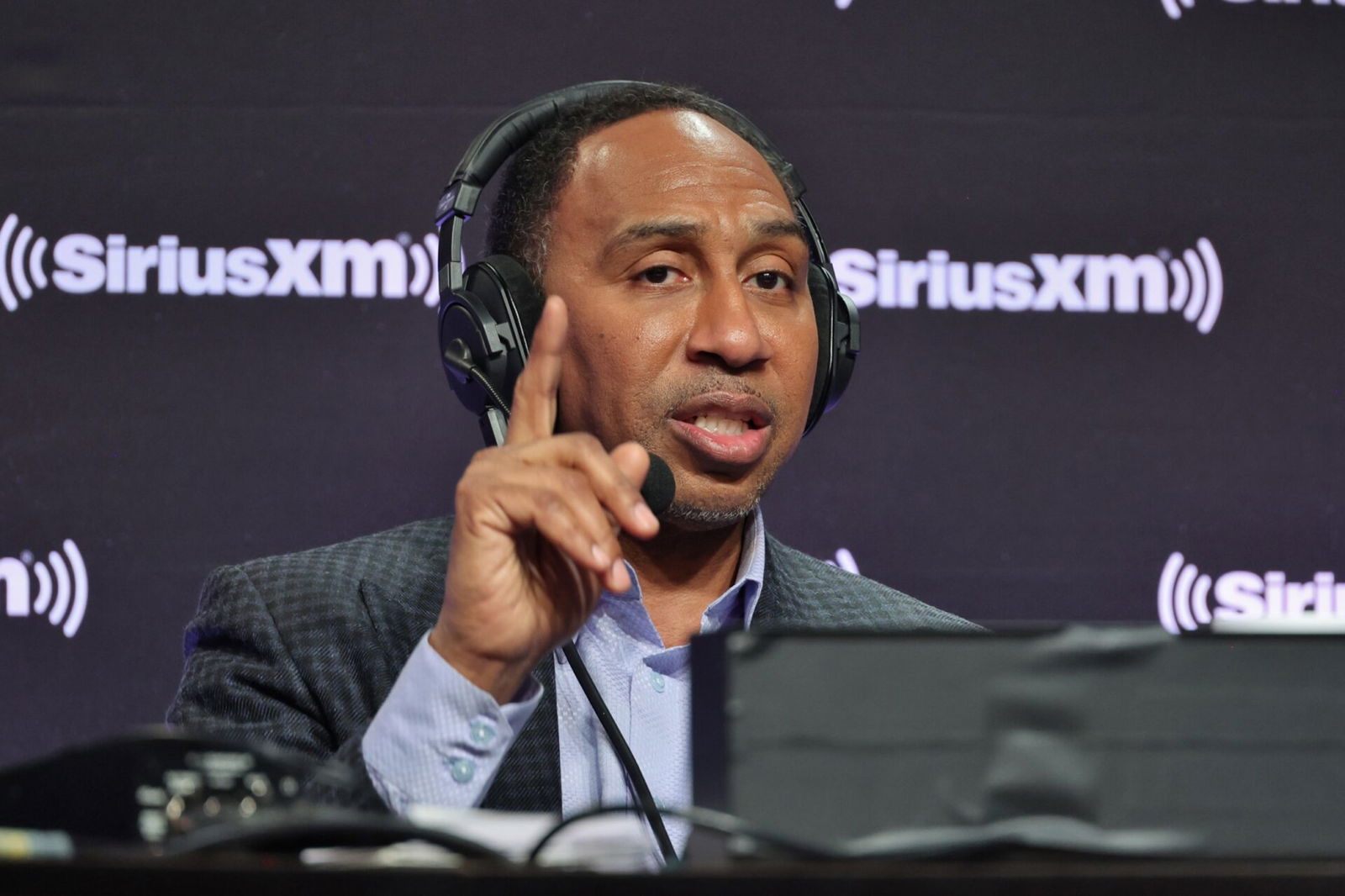
The ESPN personality and Winston-Salem State University alum is launching the HBCU Week Sports Scholarship Program, a new initiative designed to provide financial support to HBCU student-athletes, reports Clutch Points. Smith is partnering with the HBCU Week Foundation and Robert O. Wright, a 20-year-old Division I student-athlete who is contributing $25,000 to the scholarship fund, according to Yahoo Sports.
The announcement comes years after Smith began a relationship with HBCU Week back in 2019. He has participated in the organization’s programming and used his ESPN platform to spotlight HBCU campuses, including Tennessee State University, Florida A&M University, Norfolk State University, Howard University, Delaware State University and his alma mater, Winston-Salem State.
The scholarship initiative also comes as Smith explores a bigger opportunity in HBCU sports media. Back in August, Smith said he was working toward a deal to produce and distribute HBCU basketball games.
“I’m about to ink a deal where we’re broadcasting HBCU basketball games,” Smith said on his SiriusXM show. “I’m going to need some Black folks working for me as talent, as producers, and beyond. That’s what I’m doing!”
That business angle could make Smith’s latest HBCU push about more than philanthropy. Sports media has become an increasingly important commercial platform for colleges, athletes, and content creators, while HBCU programs continue looking for greater visibility and new revenue opportunities.
Smith’s own career offers a blueprint for the value of building a recognizable personal brand. His influence extends beyond ESPN’s First Take, where he has become one of the network’s most prominent personalities.
He has also been candid about the difference between his arrangement with ESPN and the business model used by fellow sports-media personality Pat McAfee. McAfee owns his platform and licenses it to ESPN, while ESPN owns First Take, Smith explained in a recent interview. “Pat McAfee has a level of independence I’ve never had,” Smith said.
Funeral expenses are climbing across the U.S., prompting more families to reconsider traditional burials.
Death may be inevitable, but the price tag attached to it is becoming harder for American families to ignore. A traditional funeral can cost thousands of dollars—and that’s before families factor in cemetery expenses, death certificates, flowers, and other services. As a result, the financial pressure is influencing how many Americans approach end-of-life arrangements.
According to NBC News, funeral and burial costs in the U.S. have climbed roughly 77% over the past two decades. Funeralocity reports that a full burial service costs the average American nearly $8,600, while the costs can reach over $20,000 based on location. Funeral costs also extend beyond the service itself. Cemetery plots, transportation, paperwork, and other third-party charges can add thousands of dollars to the final bill.
To offset the cost, more families are opting to cremate their loved ones. The National Funeral Directors Association (NFDA) projected that cremation accounted for 63.4% of U.S. dispositions in 2025, compared with 31.6% for burials. By 2045, cremation is projected to reach 82.3%. According to the NFDA, the median cost for a funeral with viewing and burial is $7,848, while a funeral with viewing and cremation has a median cost of $6,280. For families already navigating rising household expenses, the difference can be significant.
The rising cost of dying is creating both opportunities and challenges for businesses across the deathcare sector. The NFDA says roughly 75% of the nation’s 15,401 funeral homes are family- or privately owned. Together, funeral homes employ about 105,300 people and generate $16.3 billion in revenue, while crematories and cemeteries contribute another $4.274 billion.
Funeral directors are also adapting to consumers with tight budgets. Camelia Clarke, a funeral director at Paradise Memorial Funeral in Milwaukee, said that families facing financial hardship should talk directly with funeral providers to explore different options.
“Most funeral home operators that I’m aware of do an amazing job with everything that they can to ease the emotional and the financial burden on any family,” Clarke told Quartz. “There isn’t one funeral home that I know in my 30 years of existence that [has] ever turned anyone around that I know of because of genuine financial hardship.”
Meanwhile, the industry is investing in new ways to meet changing consumer expectations. The NFDA reports that nearly 36% of member firms already offer online cremation arrangements, with another 25% planning to add them within four years.
Ode Hotel, a 10-room guesthouse in Toronto’s Little Portugal neighborhood, has been recognized by Louis Vuitton’s City Guide.
Founded by the Herbert family, who are originally from Trinidad and Tobago, Ode has positioned itself as more than a place for travelers to sleep. The property, located at 1417 Dundas St. West, is designed as an extension of the surrounding neighborhood and a reflection of its owners’ heritage, reports Yahoo.
Ode’s business model is intentionally personal. There is no traditional lobby or front desk. Instead, guests interact directly with the owners, either in person or through text. That hands-on approach is reflected in the property’s design. Designer Alisha Sturino of Studio Otty created rooms with individual identities, while Toronto artist Yung Yemi contributed Afrofuturist murals.
The hotel also puts Black literary culture front and center. Each room replaces the traditional hotel Bible with a Toni Morrison novel. Furthermore, rather than adding an on-site restaurant, the Herberts encourage guests to spend their dollars in the surrounding community, from Portuguese bakeries to neighborhood restaurants.
The Louis Vuitton City Guide nod further places the property in front of travelers who seek design-driven accommodations with a strong sense of place. The model also demonstrates how a relatively small property can differentiate itself without competing with global hotel chains on room count or amenities.
Ode instead sells an experience built around identity, design, and neighborhood access. This shows that boutique hospitality is increasingly about more than thread counts and room service.
Actress Tichina Arnold, "Everybody hates Chris" and "Martin" signs an autogragh for a fan March 24 at the Yokota Community Center. Ms. Arnold visited base meeting Airmen at the Samurai Cafe and also visiting schools on base. (U.S. Air Force Photo by Airman 1st Class Eric Summers)Airman 1st Class Eric Summers, Public domain, via Wikimedia Commons
Tichina Arnold’s ‘Martin’ Salary Was Used To Pay Celebrity Guest Stars
The actress revealed that her contract sometimes kept her character, Pam, off “Martin” episodes when high-profile guest stars appeared.
Tichina Arnold is pulling back the curtain on one of the lesser-known realities behind the beloved 1990s sitcom Martin.
During a recent appearance on The Maverick Approach, Arnold said her contract didn’t guarantee an appearance in every episode and that her compensation was sometimes redirected to celebrity guest stars. As a result, Arnold, who played Pamela “Pam” James, said she appeared in only seven of every 13 episodes at the beginning.
Tichina Arnold Breaks Down Her TV Contract
“People don’t realize, I wasn’t in every episode. Anytime there was a guest, I wasn’t on it,” Arnold said. “My salary went to guest stars.”
The revelation offers a glimpse into how television production decisions can affect cast members when budgets have to accommodate high-profile talent. “Martin” routinely featured prominent entertainers, including The Notorious B.I.G., Little Richard, Outkast, Coolio, Halle Berry, Will Smith, Shaquille O’Neal, and Chris Rock. Arnold said the arrangement meant she sometimes did not know whether she would appear until the cast received scripts.
“I didn’t know whether or not I was in the next episode until we’re all in the trailer and they start handing out the scripts and if I didn’t get a script …” she recalled. “It was pretty humiliating.”
The 57-year-old actress also said she was featured in only part of the series during its earlier seasons, explaining that she appeared in all episodes during the final two seasons of the show’s five-season run.
Episode records provide additional context. Arnold is credited with the series, which ran from 1992 to 1997, but available episode listings show she did not appear in every installment. She did, however, appear alongside major guest stars in episodes including Season 3’s “All the Players Came” and Season 4’s “Where the Party At.”
The distinction between being credited for a series and appearing in each episode highlights an important aspect of television contracts: A recurring cast member’s overall deal does not necessarily mean guaranteed screen time in every installment.
The Experience Put Things Into Perspective For Arnold
Arnold ultimately contrasted her Martin experience with her later role on Everybody Hates Chris, where she was a lead performer.
“Everybody Hates Chris, I was a new mother. First time I was playing a mother. The first time I was No. 1 on the call sheet,” Arnold said.
For Arnold, that shift represented more than another acting credit. “It was the first time that I had a heavy load in a show that I really loved doing.”
Beyoncé’s Cécred Takes Its Haircare Empire Across The Pond With UK Launch
The global superstar's beauty brand is expanding internationally through an exclusive retail partnership with Space NK.
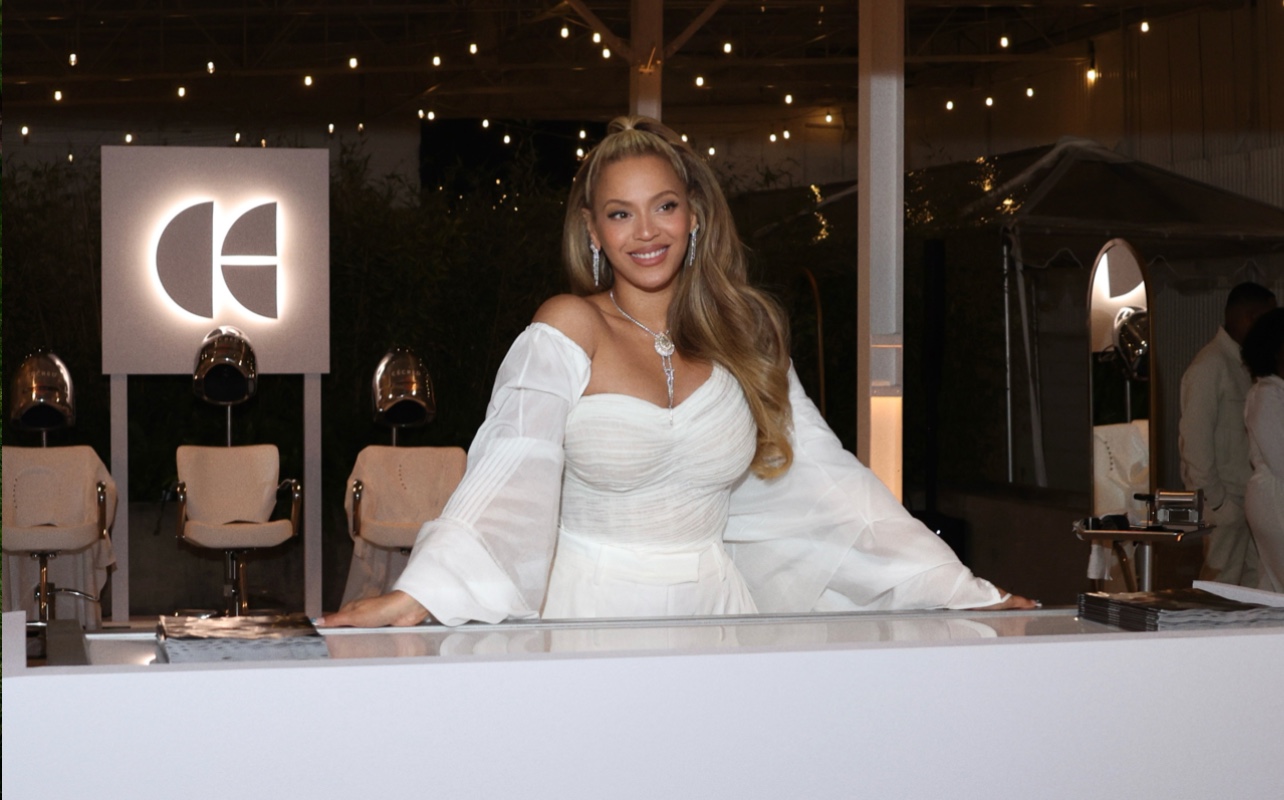
Beyoncé is taking Cécred international.
The Grammy Award-winning entertainer’s haircare brand is set to launch exclusively at British beauty retailer Space NK on Sept. 22, marking Cécred’s latest step in expanding its retail footprint beyond the U.S. The UK rollout will make Cécred products available through Space NK’s stores and website.
The brand made the announcement with an Instagram video showing its products making their way across the Atlantic.
“UK, get ready to make space!” Cécred wrote in the caption. “Cécred is exclusively launching at Space NK on 22 September – bringing transformative hair care for all.”
Cécred debuted in 2024 with an eight-piece Foundation Collection centered on what the company calls keratin recovery technology, designed to moisturize, strengthen, and enhance shine across hair types and textures. The brand later expanded into hair tools in 2025.
The company’s retail momentum has also accelerated in the U.S. In April 2025, Cécred entered more than 1,400 Ulta Beauty stores, becoming the retailer’s largest-ever haircare rollout at the time. The partnership also introduced Cécred services in Ulta salons, including treatments and stylist education.
That expansion followed the brand’s direct-to-consumer launch and illustrates a broader strategy to move from a celebrity-backed product line to a beauty company with significant brick-and-mortar distribution.
The UK launch also comes as Cécred continues investing in the professional beauty ecosystem. In May, Cécred and the BeyGOOD Foundation announced the third year of the Cécred x BeyGOOD Fund, committing $250,000 across the U.S. and UK to support hairstyling education and training.
With Space NK now joining Ulta Beauty as a major retail partner, Cécred is extending Beyoncé’s beauty-business playbook into another market — putting the brand’s products directly in front of a new customer base while continuing to build its retail and professional footprint.
Black Households See A 4.8% Jump In Income As U.S. Median Hits Record High
Black median household income reached $59,980 last year.
Median household income for Black Americans rose 4.8% in 2025 as overall U.S. household income reached a record high and the national poverty rate declined, according to new data from the U.S. Census Bureau, CNN reports.
Median household income increased 3% for white households and 2.9% for non-Hispanic white households. Changes for Asian and Hispanic households were not statistically significant.
Despite the larger percentage increase for Black households, the Census Bureau found that differences in the year-over-year percentage changes among racial and ethnic groups were not statistically significant.
The gains also come amid persistent racial income disparities. Black households’ median income of $59,980 remained well below the national median of $87,460. Asian households had the highest median income among the racial groups reported, at $126,300.
The official U.S. poverty rate fell 0.5 percentage points to 10.2% in 2025, leaving approximately 34.5 million people in poverty. The child poverty rate dropped to a record-low 13.4%.
A separate measure presented a different picture. The Supplemental Poverty Measure, which accounts for government benefits, taxes, and certain expenses, stood at 13.1% and was not statistically different from 2024.
Income growth was also uneven across the economic spectrum. Household income at the 90th percentile increased 1.7% between 2024 and 2025, while income at the 10th percentile did not change significantly. Income inequality, as measured by the Gini index, was also statistically unchanged.
The figures provide a snapshot of household finances during 2025, showing rising median income and declining official poverty alongside continuing disparities in how income is distributed across American households.
Your Credit Score Could Change How Much You Pay For A Home
New mortgage credit-scoring models could give more prospective homeowners a fuller picture of their financial history.
For years, prospective homeowners have been told to keep their credit score in mind. Now, that number is getting a makeover, and the changes could have major implications for people trying to buy a home.
The Federal Housing Finance Agency has approved newer credit-scoring models, including VantageScore 4.0 and FICO 10T, for use in the mortgage market. Unlike older scoring approaches, the newer models can incorporate a broader view of a consumer’s financial behavior, including eligible rental-payment history and trends in credit balances.
That shift matters because traditional credit scores do not always capture the full financial picture of consumers who pay their bills consistently but have limited or nontraditional credit histories.
For Black Americans and other consumers who have historically faced barriers to homeownership, evolving mortgage underwriting could be particularly significant. Pew Charitable Trusts reports that 37.5% of Black mortgage borrowers surveyed from 2013 to 2023 had credit scores between 600 and 699, compared with 19.5% of all mortgage borrowers.
Mortgage lending has also become increasingly concentrated among borrowers with higher credit scores. Pew found that lenders originated 1.08 million home-purchase mortgages in 2000 for borrowers with scores between 601 and 660. By 2024, that figure had fallen to 293,000.
The newer models are designed to capture more information instead of relying primarily on a snapshot of a borrower’s credit history.
That could benefit consumers whose financial habits are stronger than their traditional credit scores suggest. Experian says newer mortgage scoring models can incorporate positive rental-payment history and other eligible data. The company’s research found that 41% of consumers surveyed were already aware that mortgage lenders were transitioning toward models that incorporate rent and utility payments.
Still, a new scoring model does not mean every lender will immediately offer better terms to every borrower. Mortgage approval also depends on factors including income, debt, employment history, down payment, and the lender’s underwriting standards.
For prospective buyers, the change makes one thing especially important: knowing which credit model a lender uses.
As mortgage underwriting evolves, consumers may have more reason to shop lenders — not just for an interest rate, but for how their financial history is evaluated.