Get Ready For The Gloss Bomb Cam, Rihanna’s Fenty Beauty Now Sponsors WNBA’s New York Liberty
Rihanna's Fenty Beauty, skin, and hair brands are the sponsors of the WNBA reigning champs.
Rihanna is making her support of women athletes known through her latest partnership with the WNBA’s New York Liberty franchise.
However, it is not Rihanna herself who is becoming an ambassador of the basketball league. Instead, she inked a deal through Fenty Beauty brands to represent the Liberty on and off the court.
The opportunity is quite lucrative for both parties. With the deal, Rihanna will bring more eyes to her billion-dollar company through the partnership with the current WNBA champions.
Rihanna is also a champion for diversity in the beauty space. Now, the “marriage” of these entities will continue propelling both their missions of uplifting women while challenging the status quo. A spokesperson for the Fenty Brands told NBC News about what the collaboration signifies for both groups.
“There’s not one monolithic view of what a female athlete looks like, and there’s not one monolithic view of what beauty and beautiful looks like,” explained Sukiana Chancy, vice president of brand strategy for Fenty Skin and Fenty Hair. “That is the perfect intersection, really, of the marriage of these two brands, Fenty Beauty and New York Liberty.”
The investment by Rihanna also emphasizes a greater focus on women’s sports for visibility. The New York Liberty CEO expressed how beauty brands getting in the game is helping their cause to expand and elevate as a league.
“It all really goes back to investment, general investment, from brands who want to step up and have value alignment with us,” Keia Clarke, CEO of the New York Liberty, told the news outlet. “I think there’s a different level of visibility for women’s sports right now, and especially in basketball.”
Furthermore, it showcases the nuances of womanhood, where sports stars can play hard while serving looks.
“I think it’s pretty cool now that both sides are kind of meeting in the middle,” added Isabelle Harrison, a forward for the New York Liberty. “I finally found a perfect space for me to represent all of who I am, not just being an athlete, not just being a beauty junkie. So Fenty, with this partnership with the Liberty, it’s truly brought both of my worlds together.”
In true Fenty fashion, Liberty fans can expect players and promotional materials to feature some of the makeup brand’s popular products. From the Fenty Gloss Bomb Cam to exclusive in-game products, WNBA enthusiasts can take part in the inaugural festivities that “beauty blend” sports and makeup.
The games have not only featured the cam, but will have the Liberty’s world-famous mascot, Ellie the Elephant, show off her favorite Fenty products. Since the WNBA season began, the collaboration has been a hit, marking the benefits of investing in the league and promoting women in sports.
Clarke added, “It was such a validating moment, that this is the right partnership, and that we’re engaging with the community in a way that they want to be engaged with. And it also highlighted that maybe this was a gap in the audience.”
Nedra Dickson Reportedly Appointed Interim CEO Of WBENC, A Historic 1st For Women’s Business Certifier
At its core, WBENC's entire operational framework is built on the principles of diversity, equity, and inclusion (DEI).
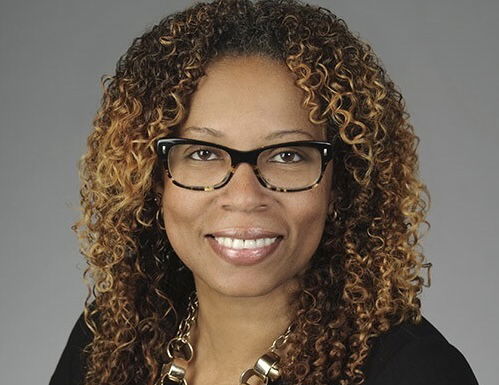
The Women’s Business Enterprise National Council (WBENC), the nation’s leading certifier of women-owned businesses, has appointed Nedra Dickson as its Interim President and CEO, allegedly. The appointment marks a historic first for the organization, as Dickson becomes the first Black woman to hold its top leadership role.
A respected, trusted source also shared with BLACK ENTERPRISE that the transition comes as WBENC navigates the sudden and tragic loss of its former President and CEO, Pamela Prince-Eason, a beloved figure and tireless advocate for women-led enterprises.
Dickson, who has served as the WBENC Board Chair since January 2023, brings a wealth of experience to the role, having worked closely with Prince-Eason and the organization’s leadership for over a year.
A recently retired, longtime executive from Accenture, Dickson’s career has been dedicated to advancing purpose-driven leadership and fostering a more inclusive business landscape. Her immediate priority is to provide steadfast leadership and ensure all organizational programs, certifications, and events remain on schedule and without disruption.
The appointment is a pivotal moment for an organization that oversees a vast ecosystem of over 20,000 members, including a formidable network of Fortune 500 corporations and women-owned businesses. WBENC’s leadership change is significant on two fronts: it offers a promise of continuity during a period of mourning and, simultaneously, represents a major milestone in racial diversity within a major business organization.
The Pine Bluff, Arkansas native’s career has been a testament to her commitment to diversity and inclusion. A seasoned and highly awarded executive, she brings more than two decades of experience in technology consulting, operations management, and procurement sourcing with Fortune 500 companies. While at Accenture, she was the driving force behind the global expansion of the award-winning Diverse Supplier Development Program (DSDP), a mentoring initiative that helps diverse-owned businesses successfully integrate into the worldwide supply chain. Her leadership has led to Accenture’s supplier diversity program being globally recognized as “Best in Class,” and she has managed over $2 billion in contingent labor spend.
The corporate maven’s dedication is further evidenced by her numerous board positions with influential organizations, such as the Georgia Minority Supplier Diversity Council and the National LGBT Chamber of Commerce, as well as a long list of accolades, including being named one of “America’s Top 100 Leaders in Corporate Supplier Diversity” by WE Magazine.
“NMSDC is now Black-led and WNBEC is Black-led,” the source said. “And it just so happens in the season of anti-DEI.”
Dickson’s ascension to the role signals a new chapter for the organization, one that reflects the evolving landscape of inclusive economic growth.
As the community moves forward, it will continue to celebrate Prince-Eason’s extraordinary contributions while uniting to embrace a future of courage and innovation under Dickson’s guidance. Together with its Board of Directors, Leadership Council, and Women’s Enterprise Forum, WBENC will continue to use the collective expertise of its networks to address the unique barriers women-owned and small businesses face in establishing and managing their enterprises.
Founded in 1997, WBENC was created to establish a nationwide standard for women-owned business certification. The nonpartisan 501(c)(3) non-profit has since grown into the largest third-party certifier of businesses majority-owned by women. It is also a leading authority on advancing economic opportunities and providing vital tools and resources to help small businesses thrive. The organization partners with 14 Regional Partner Organizations to provide its certification and programming to all U.S.-based small businesses.
At its core, WBENC’s entire operational framework is built on the principles of diversity, equity and inclusion (DEI). The organization promotes diversity in the business landscape by ensuring women-owned businesses have a recognized seat at the table.
It works to create equity by providing certification and access to larger markets, giving women-led enterprises the tools to compete effectively.
Ultimately, it fosters an inclusive environment through networking events and support communities designed to help women entrepreneurs thrive and succeed. This comprehensive approach is dedicated to leveling the playing field and creating a more diverse and inclusive business ecosystem.
50 Cent Deletes Farewell ‘Goodbye’ Post To Starz After Dismal Report
Serial troller 50 Cent writes, 'Not hard to say goodbye"
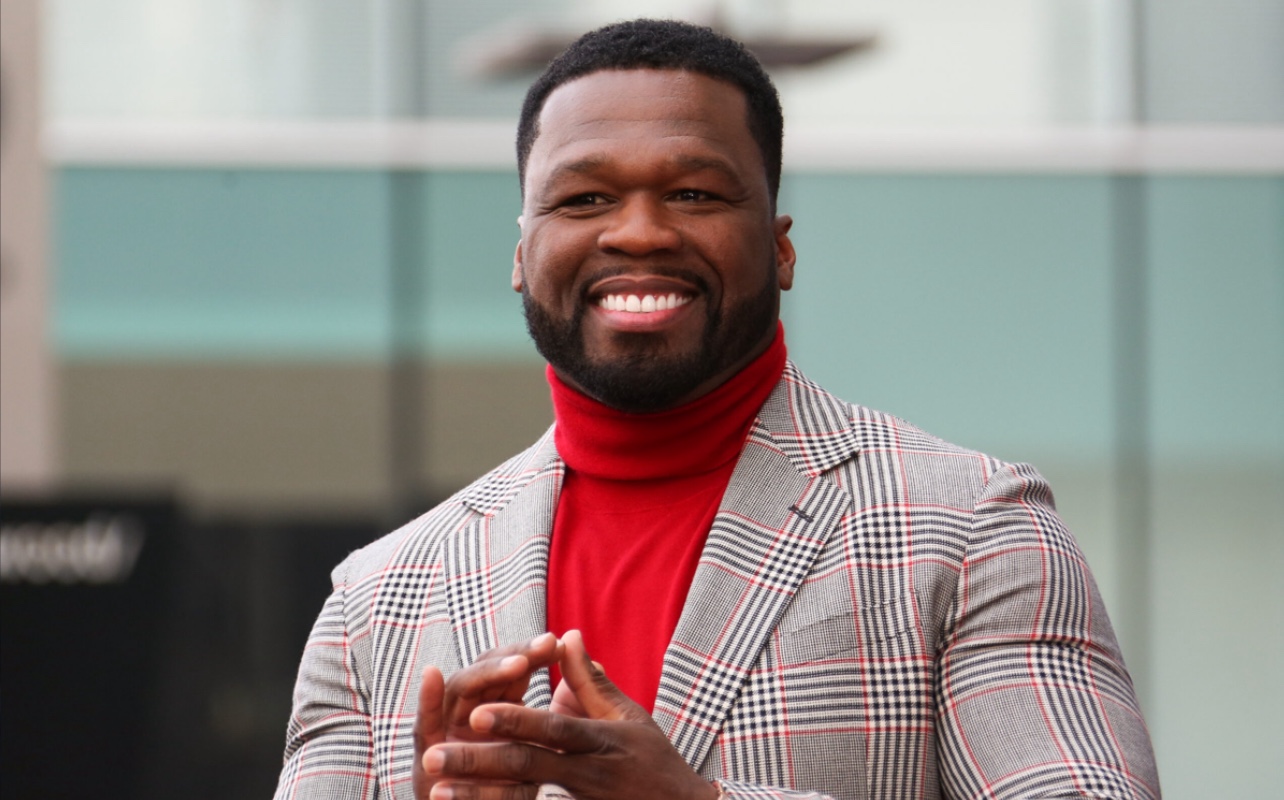
Perhaps the biggest troll on social media, 50 Cent, has told STARZ that it was “Not hard to say goodbye,” after recent news of the company’s financial woes.
After constantly going back and forth with the movie and television network, it seems as if the relationship between the two entities is over. According to Complex, the entertainment executive responded to the Starz CEO and the company’s recent financial report.
In its latest report, STARZ stated that its streaming subscriber base fell to 12.2 million from 13.4 million in the second quarter of 2025. Its domestic customer numbers fell by 410,000 for its regular audience to 17.6 million users. In a since-deleted post, 50 wrote, “It’s not that hard to say goodbye. Bye.”
STARZ CEO and President Jeffrey Hirsch blamed the “underperformance” of BMF’s latest season as one of the primary reasons for the company’s dismal report.
However, there seems to be no struggle when it comes to whatever 50 throws his weight behind. After agreeing to purchase a film studio in Shreveport, Louisiana, the G-Unit boss has promised another “Humor and Harmony” festival in the southern city next year. While the event was underway, a temporary G-Dome was constructed to accommodate some of the events that took place last summer.
Since that was successful, he promised the city that a newly constructed, permanent G-Dome will be done by next year, much to the delight of his new town. They were notified by Orville Hall, G-Unit’s Growth Advisor, when he informed officials during the Aug. 18 meeting of the Caddo Parish Economic Development Committee.
KSLA also reported that Shreveport Mayor Tom Arceneaux’s office has already confirmed that the Humor & Harmony Festival will make its return to the city in March of 2026.
The G-Unit Film and Television Studio opened last year in a previously unused studio that was not being used by the Louisiana city.
Wheelchair-bound Woman Forgotten And Locked Inside Atlanta Clinic By Staff
The woman says staff walked past her room multiple times without checking on her.
A wheelchair-bound woman claims she was forgotten and locked inside an Atlanta clinic after it closed.
Ankita Mackin was stuck on her exam table at the Hanger Clinic for hours, unable to move due to her multiple sclerosis diagnosis. Mackin said she could only find help after rolling off the table to crawl to her phone charger.
Before the ordeal, Mackin was transported to the clinic for a brace-fitting appointment to straighten her feet. She assumed the staff would help her secure transportation back home once she finished. However, no one came to check in on her, leaving her in the room to fend for herself.
“So, I’m thinking that, ‘OK, well they know I’m finished so they’re going to call transportation to come back and get me,’” explained Mackin to 11Alive.
The woman thankfully had her charger on her, or else she may have spent the evening in the medical facility. She saw staff walk by as she dozed off, waking up as everyone left the building. She yelled out for help, but no one answered.
“I’m still waiting, waiting, waiting, and the next thing you know, it went quiet, it gets quiet,” she recalled. “I was like, ‘Oh my God, I know. Lord knows I hope they didn’t lock me in this building.”
She put her body at risk to get out of there, saying the fall hurt her back. She called 911 several times to no response, FaceTiming her daughters right after, who came to her rescue. The Atlanta police and medical personnel arrived shortly after the women did.
Now, Mackin and her family are questioning Hanger Clinic about their negligence. They want to know how they could leave without ensuring all patients had left the building.
“Like, who locks up the building? No one walks around to check each room,” expressed her daughter, Yahkia.
Mackin went to Grady Hospital to inspect her injuries, later checking out of the center. However, she still feels traumatized by the ordeal and feels unsafe in a place of care.
When the new outlet also inquired about the situation, the Atlanta clinic stated HIPAA laws prevented them from speaking on it. It remains unclear if Mackin will take legal action against Hanger.
Conservative Activist CJ Pearson Says White Liberals Are ‘Fearful’ Of Losing Power Over Black Americans
The pro-Trump activist says signs like that promotes racism from white liberals.
A viral protest sign in Virginia triggered some feelings for conservative activist CJ Pearson, pushing claims that white liberals are starting to get scared of losing “power” over Black Americans, Fox News reports.
A white woman was seen holding a sign outside of an Arlington County school board meeting, allegedly pushing accusations of racial undertones due to the state’s lieutenant governor and GOP gubernatorial candidate, Winsome Earle-Sears, being Black. “Hey Winsome, if trans can’t share your bathroom, then Blacks can’t share my water fountain,” the sign held by the unidentified woman read.
Pearson said the sign promotes racism from white liberals. “This is a sign being held by a white liberal protesting against the Black Republican nominee for Governor in Virginia speaking out against boys using the girls’ bathroom,” Pearson wrote. “White liberals are some of the most racist people in the United States.”
He defended Earle-Sears, claiming “the Left has always been unapologetically nasty to Black people who think for themselves.” “First and foremost, I’m not surprised by what happened at that protest and those comments that were directed at Winsome,” the GOP activist said.
“And the reason that they do is because they know that courage is contagious. They know that the more Black people that wake up start asking questions, [including the] biggest question of all, ‘What have the Democrats done for us lately; their political grip on the Black community will start to loosen, and they will lose power.”
He also labeled them as the “greatest threat to Western civilization” on X.
White liberal women are the greatest threat to Western civilization. https://t.co/qoahMRJdSg
Other leaders came to Earle-Sears’ defense like former Rep. Abigail Spanberger (D-Va.), who is also running for the state’s governor’s seat in 2026. She called the signage “racist and abhorrent.” “Many Virginians remember the segregated water fountains (and buses and schools and neighborhoods) of Virginia’s recent history,” she wrote on X.
“And no matter the intended purpose or tone, and no matter how much one might find someone else’s beliefs objectionable, to threaten a return of Jim Crow and segregation to a Black woman is unacceptable. Full stop.”
As I said yesterday, the sign displayed in Arlington last night was racist and abhorrent.
Many Virginians remember the segregated water fountains (and buses and schools and neighborhoods) of Virginia’s recent history. And no matter the intended purpose or tone and no matter how…
However, the co-chair of the GOP Youth Advisory Council called her response calculated. Even the lieutenant governor chimed in, saying Spanberger’s response should have been stronger, calling it a “very weak response from a very weak person who we know cannot lead Virginia as governor.”’
John Amos’ Daughter Sues Her Brother Over Alleged Elder Abuse And Wrongful Death
John Amos’ daughter is suing her brother over allegations of elder abuse, fraud, and wrongful death.
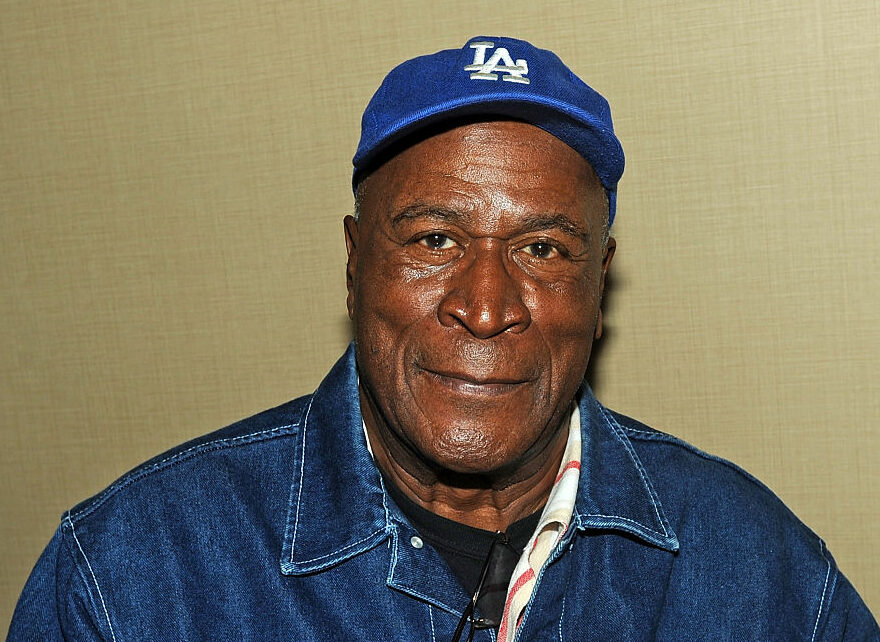
John Amos’ children have launched a legal war against each other over the late actor’s estate, with his daughter suing her brother over claims of elder abuse and fraud.
Shannon Amos has filed a lawsuit against her brother, Kelly ‘K.C.’ Christopher Amos, accusing him of elder abuse, fraud, and wrongful death, as revealed by The Hollywood Reporter. She claims K.C. manipulated their ailing father into signing new wills, trusts, and powers of attorney that handed him near-total control of the estate, while neglecting the actor’s medical care and cutting her and other heirs out of any inheritance.
The petition also names John Amos’ former caretaker, Belinda Foster, his close associate Eugene Brummett, and his production company, Step and One Half Productions, which K.C. claimed sole ownership of in 2020. It further seeks a court order to freeze the estate’s assets.
According to the suit, K.C. repeatedly left Amos, whose mental capacity was rapidly declining, in unsafe and unsanitary conditions. Shannon recalls alleged talks with doctors who warned her that his medications weren’t being properly administered.
In 2023, Amos was hospitalized multiple times, including for a foot infection caused by maggots, which led Adult Protective Services to step in. By August 2024, he was suffering severe abdominal pain, but caretaker Belinda Foster allegedly posed as his daughter and delayed taking him to the hospital until it was too late.
The petition includes affidavits from Amos’s close friends and former business managers, who all accuse K.C. of attempting to isolate his father to seize control of his finances. In one affidavit, longtime friend Leslie Franklin claimed the actor was kept in hotels surrounded by piles of soiled adult diapers and trash.
The lawsuit holds K.C. responsible for his father’s August 2024 death and calls for the estate’s assets to be frozen until the court rules. This follows a messy fallout between the two siblings in their father’s final years, where Shannon first accused her brother of elder abuse and attempts to control his money.
Black Beauty Salons Hit Hard By Trump Tariffs: ‘We’re Impacted At Every Level’
Trump’s tariffs are taking a heavy toll on Black-owned beauty salons that rely on Chinese-made hair products.
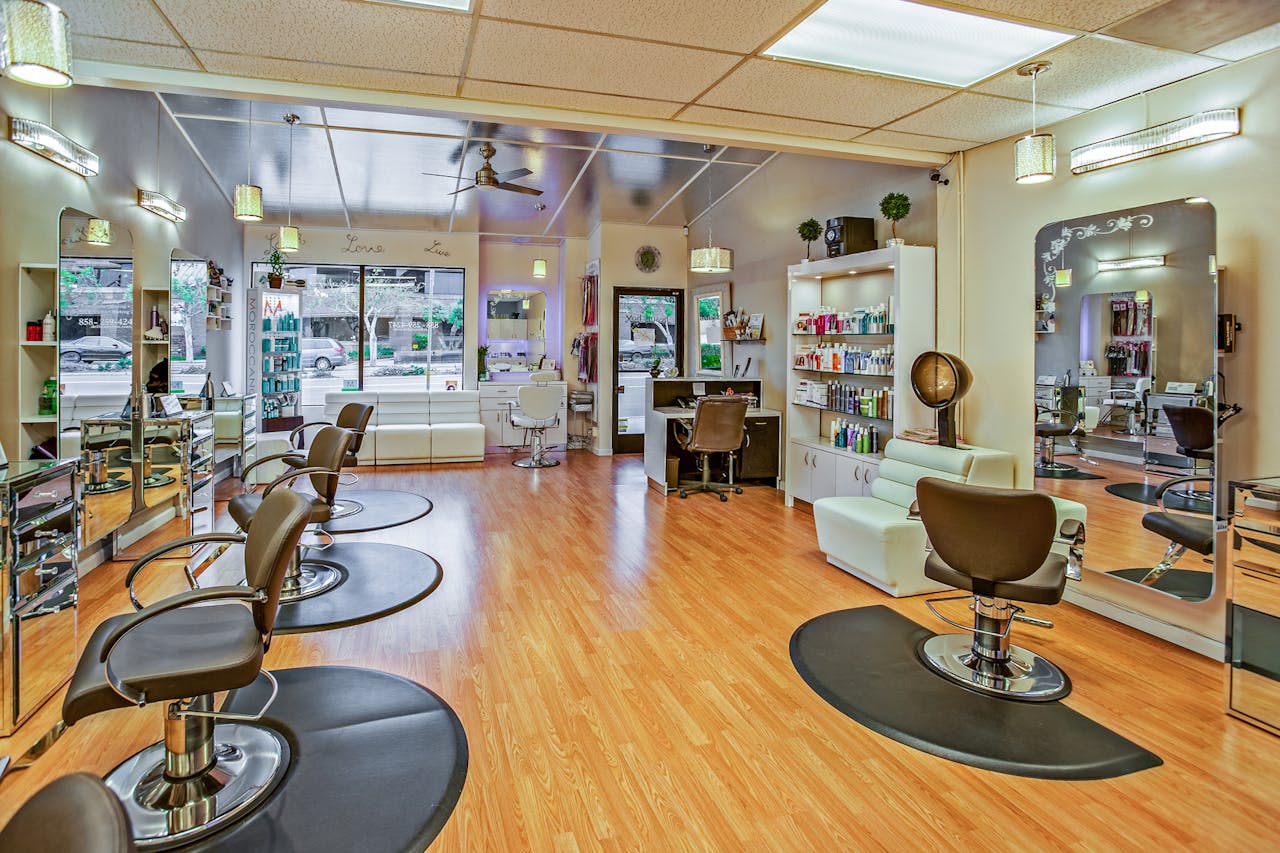
Donald Trump’s tariffs are putting added strain on small businesses, with Black beauty salons hit especially hard by the rising cost of Chinese-made hair extensions.
The cost of hair extensions and glues for wigs and weaves has surged following Trump’s tariffs on China and Vietnam, where most Black beauty products are manufactured, Reuters reports. The price hikes are straining Black-owned salons, which report a decline in repeat client visits.
“We’re being impacted at every level,” said Dajiah Blackshear-Calloway, 34, a salon owner based in Smyrna, Georgia. “I’m either having to eat that cost or pass that expense along to my clients, which affects their budgets and their pockets as well.”
Blackshear-Calloway’s salon, staffed by two stylists, offers a range of services from $50 natural hairstyles to $745 tape-in weave extensions. Her most popular services include $254 sew-in weaves and $125 quick weaves, where extensions are glued onto a stocking cap.
However, tariffs have driven up the cost of a package of hair imported from Vietnam from $190 in May to $290, while a bottle of hair glue from China jumped from $8 to $14.99 at her local supply store. To avoid passing these costs on to clients, Blackshear-Calloway now asks them to bring their own hair, making a quick weave $140 without hair, compared to $400 with hair provided.
Diann Valentine, 55, founder of Slayyy Hair, first felt the impact of tariffs when a 145% levy on Chinese imports hit, resulting in a $300,000 bill to clear 26,000 units of braiding hair at the Los Angeles port in May. Since then, she has raised the prices of her braiding hair and drawstring ponytail extensions by 20%. Valentine was also forced to lay off four employees and now works 16-hour days to keep her two Glow+Flow beauty supply stores in Inglewood and Hawthorne, California, running smoothly.
“To lose that kind of money at this stage has been devastating,” Valentine said.
Tariffs are hitting Black business owners particularly hard, including many salon owners. Andre Perry, a senior fellow at the Brookings Institution, notes that the wealth gap leaves Black entrepreneurs, especially those in low-margin industries like consumer goods or haircare services, in financially vulnerable positions, with tariffs further eroding their profits.
“Many Black entrepreneurs started off with less wealth,” Perry said.
Black businesses have endured for generations through innovation and resilience, and it will take that same spirit to navigate the challenges Americans now face due to Trump’s tariffs. Industry experts have been offering tips for small business owners affected by the tariffs, including communicating openly with customers, reassessing supply chains, streamlining operations to address inefficiencies, consulting a financial advisor, and exploring business credit lines.
Social Determinants And Social Norms When Breastfeeding Isn’t Enough For Black Women
The lack of institutional support is not merely incidental; it is a manifestation of a deeper, societal issue where the historical trauma of slavery and wet-nursing has created a powerful and haunting historical association with breastfeeding.
The “breast is best” axiom has long been the cornerstone of infant health, championed for providing physiological, psychological, and immunological benefits to both parent and child. Despite these well-documented benefits, a recent study conducted reveals a deep and uncomfortable truth: the biological promise of breastfeeding is rendered tragically inert for many Black mothers by the compounding effects of social determinants.
The research found that while breastfeeding appeared protective for some, its benefits did not extend to infants of color, regardless of their family’s socioeconomic standing.
Historical Context and Systemic Barriers
For more than 400 years, breastfeeding disparities and inequities have persisted in Black communities in the United States, rooted in the legacy of chattel enslavement and the subsequent commodification of Black women’s bodies and their milk. Today, systemic racism and inequitable access to resources and support remain the primary drivers of these disparities.
Research has made it clear that Black women and birthing people face more systemic and structural barriers during the perinatal period than other populations. In-hospital providers are less likely to discuss breastfeeding with Black women, and formula feeding is nine times higher for Black infants immediately after birth compared to their white counterparts. These challenges, along with disparate care in neonatal intensive care unit (NICU) settings, contribute to a reality where Black women and birthing people experience significant obstacles in meeting their infant feeding goals.
The Faltering Panacea: Study Findings
The 2023 study’s findings present a stark, clinical manifestation of these systemic issues. While a greater duration of breastfeeding in the overall population was associated with a reduced incidence of respiratory illnesses, examining the data by race and socioeconomic status revealed a critical flaw in the “breast is best” narrative. High-socioeconomic status (SES) white patients saw a significant decrease in illnesses like ear infections, eczema, and gastrointestinal issues when they breastfed for more extended periods.
In contrast, the study found no such benefits for high-SES Black and Hispanic patients. In fact, for infants of color, breastfeeding was linked to an increased occurrence of eczema, and it did not seem to offer any protection against other illnesses.
These findings suggest that the benefits of breastfeeding are not inherent but are instead dependent on a foundation of systemic privilege and access to resources that extend far beyond a family’s financial means. The physiological stress caused by racial discrimination, the lack of support in workplaces, and living in food deserts are all constant, low-grade sources of attrition that a single biological intervention cannot possibly overcome.
Systemic and Societal Barriers to Lactation
The challenges facing Black mothers in their lactation journey are further exacerbated by the economic realities they navigate. Black women, with a labor participation rate of 60.2%, are disproportionately shouldering the dual mantle of caregiver and primary financial support, with an astounding 70.7% of Black mothers serving as sole breadwinners.
This economic imperative often precipitates an earlier return to the workforce and a truncated maternity leave, an institutional disadvantage compounded by the fact that Black workers are less likely to hold positions that offer flexible schedules or robust benefits like paid family leave. Furthermore, even where legal protections exist, such as the Affordable Care Act’s mandate for break time and private space for nursing, many employers—particularly in the low-wage sector—fail to comply.
The fear of penalties for pursuing a fundamental right—including job loss, demotion, and harassment—weighs heavily on many Black workers, making the exercise of that right a perilous and often untenable option.
Beyond the workplace, systemic inequities in healthcare access and societal stigma create additional, formidable hurdles. Despite the ACA’s requirement for insurance coverage of lactation support and breast pumps, these vital services remain out of reach for many in the 14 states that have not expanded Medicaid, many of which have large Black populations. This structural inequity is mirrored in the hospital setting itself, where forty-five percent of Baby-Friendly hospitals—a designation for facilities that actively promote breastfeeding—are concentrated in areas where Black people comprise 3 percent or less of the population.
The lack of institutional support is not merely incidental; it is a manifestation of a deeper, societal issue where the historical trauma of slavery and wet-nursing has created a powerful and haunting historical association with breastfeeding. This legacy, coupled with the contemporary over-sexualization of Black bodies, perpetuates a stigma that compounds the public health messaging, making a seemingly simple act a complex negotiation with centuries of systemic prejudice.
Recent Trends: Progress Amid Persistence
While inequities persist, recent data sets reveal promising trends in breastfeeding rates for Black women. According to the 2020 CDC Breastfeeding Report Card for infants born in 2017, 74% of U.S.-born Black infants had ever been breastfed, a notable increase from 63% in 2010. The rate of continued breastfeeding also saw gains: 48% of Black infants were still breastfeeding at 6 months, and 26% at 12 months, up from 36% and 16% respectively in 2010. The number of Black women providing human milk exclusively to their infants at 3 and 6 months also increased to 39% and 21% respectively, from 27% and 13% in 2010. These trends are a testament to ongoing advocacy and grassroots efforts, yet they do not erase the fundamental systemic barriers that remain.
The conclusion is inescapable: we cannot continue to discuss racial inequities in breastfeeding without acknowledging the historical, sociocultural, political, and economic contexts that support them. A public health strategy that ignores the lived reality of its target population is, at best, incomplete.
We cannot tell a mother to “do better” when her very environment is working against her. The health of a child is not merely determined by the food it eats but by the world in which it is born.
For Black women, the fight to nourish their children is not just a personal choice—it is a struggle against a system that has long denied them the very foundation of wellness. Future research, policy, and advocacy must recognize and address this significant and persistent reality.
Mizzou Cancels ‘Black 2 Class’ Student Block Party Over Proposed ‘Discrimination’
A "Black 2 Class" student block party was scrapped as Mizzou administrators found its naming discriminatory.
The University of Missouri has officially canceled a Black student event in light of Trump’s anti-DEI shakedown.
The Legion of Black Collegians at Mizzou had already established plans for its “Black 2 Class” student block party. However, in light of new federal regulations that the school has complied with, the block party was axed by administrators. According toInside Higher Ed, a university spokesperson called the party “unlawful discrimination” as the event’s name made it “race exclusive.”
The university’s president also announced that any organizations and events must not suggest exclusion of students based on race. This issue has plagued events hosted by the Legion since the Trump administration threatened federal funding for schools that did not abide by its anti-DEI standards.
The “Black 2 Class” block party was an alternative proposed after its first event, The Welcome Black BBQ, was removed for similar concerns. However, administrators found the name too provocative as it explicitly mentions Blackness, despite all students being allowed to attend.
The Legion shared the cancellation on its Instagram, calling it an “act of erasure.”
“Let’s be very clear, these actions are a deliberate act of erasure. At every turn, we are shut down,” detailed the post. “Things as simple as putting “Black” in a name, result in consequences…Recreational spaces for students of all identities are crucial.”
The Legion also mentioned increased racial tensions on campus, impacting the experiences of Black students. According to the Legion, Black people make up 1,700 of the student body, a stark comparison to the 23,000 white attendees. The rise in reported racist encounters led one student to go on a hunger strike to spread awareness, resulting in the resignation of two university leaders.
“In the university’s effort to be ‘more inclusive,’ these actions are directly exclusive,” continued the statement. “This pushes Black students away from the very things that bring us together. There is a powerful history behind our identity, events, and spaces. Yet, we’re still fighting the constant same issues.”
In light of these restrictions and unaccommodating conditions, the Legion created a list of demands for Mizzou. It wants a public condemnation of racial harassment by administrators. The organization also requested a town hall and campus-wide messaging to condemn these discriminatory actions.
It ended its message emphasizing their fight against racial harassment on campus.
“As we head into this new school year, we advise everyone to keep your head on a swivel. Stay mindful of the University’s continued efforts to erase/suppress our work, our identity, and our voice. To Black Mizzou, stay united, remain resilient, and be unshaken. Right now, our community is what we make of it. “
However, the university spokesperson continued to defend Mizzou’s stance. He stated the Legion itself was not in jeopardy, but its events remain circumstantial.
“This decision was based on the circumstances of this event, which was promoted with a name that suggested it was race exclusive and contrary to [federal civil rights law],” said spokesperson Christopher Ave. “Each event or program must be considered on its own in context and the decision on this event does not dictate what will happen in any other circumstance.”
Pinky Cole Faces Lawsuit Over Alleged $87K In Unpaid Rent At Two Slutty Vegan Atlanta Locations
Pinky Cole is once again facing a lawsuit over alleged unpaid rent, this time involving two Slutty Vegan locations in Atlanta.
Slutty Vegan founder, Pinky Cole Hayes, is facing a new lawsuit over claims of unpaid rent at two of her Atlanta restaurant locations.
An affiliate of Asana Partners, the real estate firm behind popular Atlanta hubs like Krog Street Market and Plaza Fiesta, has filed a complaint in Fulton County State Court accusing Cole and her current and former businesses of breaching leases on two Edgewood Avenue properties, The Atlanta Journal-Constitution reported. According to the suit, Cole and the entities owe more than $87,000 in back rent, late fees, and interest.
The lawsuit follows Cole’s February 2025 financial restructuring, when she revealed that she briefly gave up ownership of her business to an assignee due to a $10 million corporate overhead and cash flow issues before repurchasing it under a new entity, Ain’t Nobody Coming to See You, Otis LLC. Since then, her businesses have faced lawsuits in Maryland and New York over alleged unpaid rent and credit card charges tied to the period before the restructuring.
As news of the latest lawsuit made its way to social media, reactions are mixed, with some offering Cole prayers and encouragement. In contrast, others argue her business troubles stem from the rapid expansion of the Slutty Vegan franchise.
“Praying that she’s able to clear this all up in Jesus’ name, amen! Let’s pray for ppl to win,” one supporter wrote before the critics chimed in.
“Expanding without the proper knowledge base of sustainability is clearly what occurred here,” one critic wrote.
“Case of growing and franchising too big too soon! Something I shared with the owner in the beginning and was shunned!” claimed someone else.
Some questioned how Cole, who recently spoke at Invest Fest in Atlanta, can offer guidance to other business owners while facing ongoing challenges with Slutty Vegan.
“But she was at a workshop this past weekend telling folks how to manage business,” they wrote.
Cole has been candid about the challenges at Slutty Vegan. In March, she shared how the restructuring stemmed from “chasing something that I couldn’t catch for many reasons,” with the business growing too large and costly to manage. The shake-up also led to the cancellation of a planned Concourse B location at Hartsfield-Jackson Atlanta International Airport and the closure of the on-campus Spelman College spot, replaced by Twisted Taco.
Despite these hurdles, Slutty Vegan continues to operate eight locations nationwide, five in Georgia, and one each in Alabama, Maryland, and New York.